
You have built an excellent behavioural skills programme. But sitting across from an HR director or an L&D lead, how do you turn your pedagogical conviction into a purchase decision? Selling soft skills training to organisations calls for specific arguments, tangible proof and a sharp understanding of what the buyer is actually worried about.
Buying soft skills training usually involves three profiles. The learning and development manager identifies the need and evaluates suppliers. The HR director signs off on strategic fit and budget. The line manager confirms it makes sense on the ground. Your pitch has to speak to all three at once.
Two objections come up every time. First: soft skills are too abstract to measure. Second: our teams have no time for training. Neither is a refusal — both are requests for proof. The provider who anticipates them with concrete data gains a decisive edge.
Never open with your catalogue. Open with the problem the organisation is living with: high turnover, customer dissatisfaction, team conflict, slow onboarding. Then draw the line between that problem and a gap in behavioural skills. Only then present your solution. Organisations that train frontline teams in soft skills report a 50% reduction in onboarding time and a 20-45% improvement in closing rates.
Translate every benefit into money. A salesperson who improves their negotiation skills by 20% on a £500,000 portfolio generates £100,000 in additional revenue. A customer service team that cuts escalations by 30% saves the equivalent of two full-time roles. Simple sums like these turn a training cost into an investment with a return.
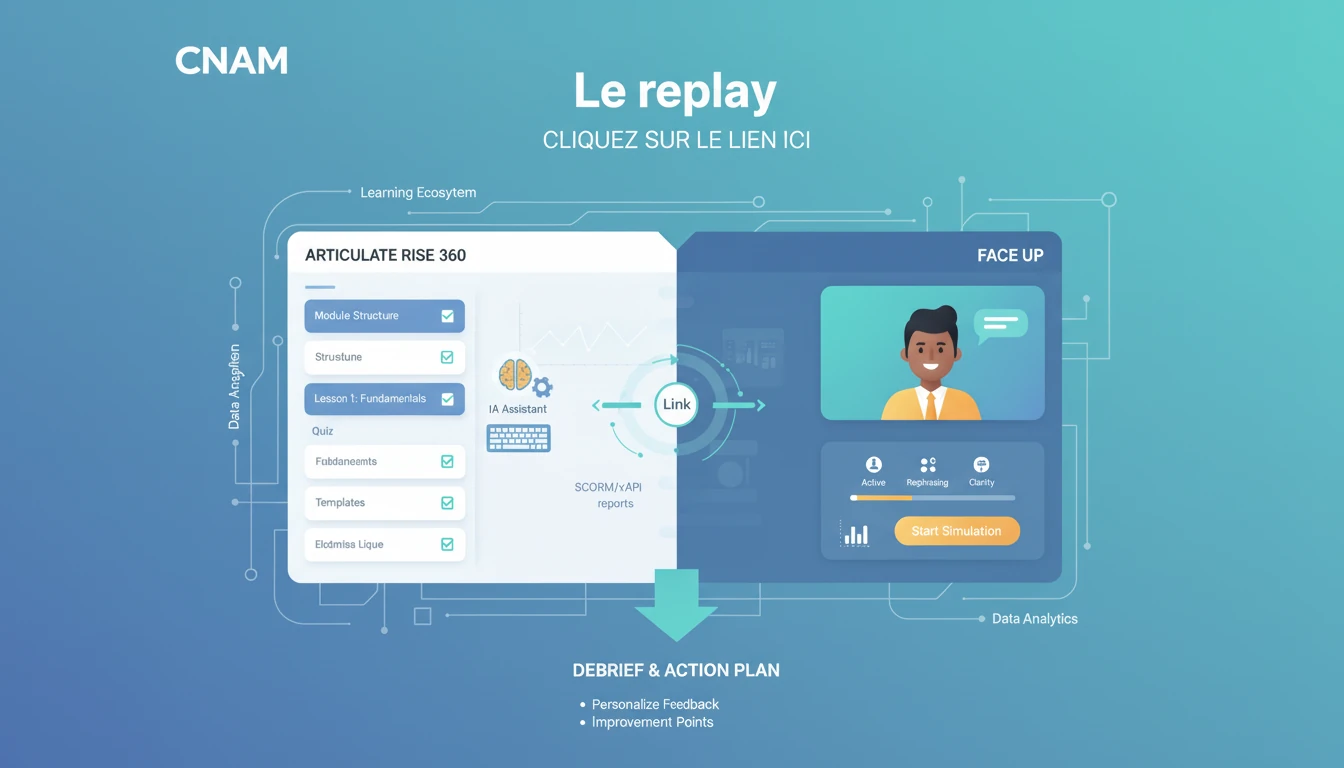
A live demonstration is the single most effective way to sell soft skills training. Offer your prospect a five-minute role play. When an HR director experiences a conversation with an AI avatar that reacts to what they actually say, the value lands instantly. Conversational learning platforms such as Face Up let you build these bespoke demos in minutes.
Nothing convinces like a client case in the same industry. If you are selling to a bank, show your results in banking and insurance. If you are targeting transport, talk about results on the platform and the concourse. Sector proximity lowers perceived risk and speeds up the decision.
A 95% learner satisfaction rate is a strong signal. It reassures the L&D manager that teams will engage, and the HR director that the project will look good internally. Collect and present this data systematically after every session.
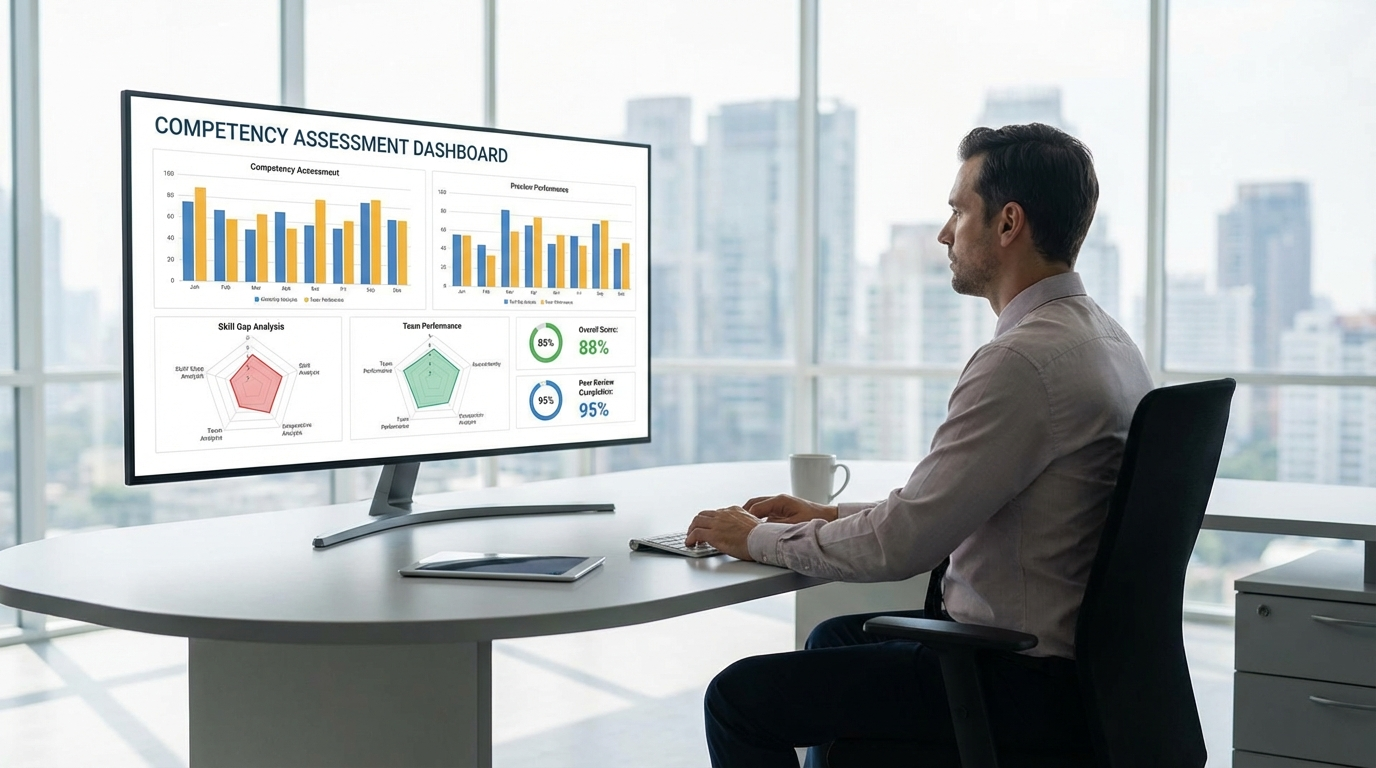
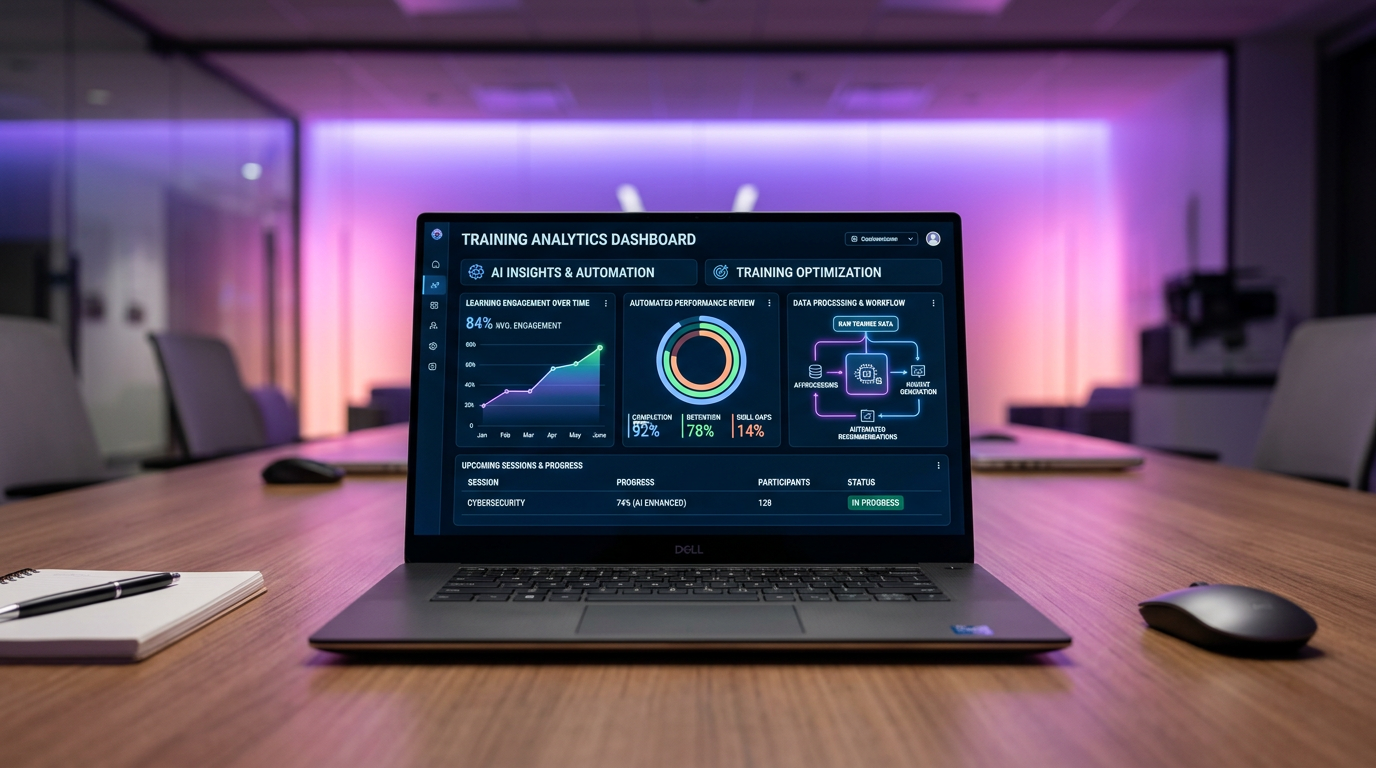
Show real progression curves: role play score at session 1 versus session 10, changes in the quality of exchanges measured through conversation analysis. This data proves your training produces observable results, not just satisfaction. See how to assess and measure soft skills reliably.
For a training buyer, a recognised quality accreditation simplifies their internal processes and, in many markets, unlocks funding schemes. Lead with your certification and the traceability built into your solution: individual reports, completion certificates, quality indicators. It is a non-negotiable shortlisting criterion.
Offer a pilot with 10 to 20 learners and KPIs agreed in advance. Perceived risk falls to zero, and you create an internal precedent that makes a wider rollout far easier to sell. Pilots that demonstrate a positive ROI routinely convert into annual contracts.
The stakes: regulatory compliance in customer conversations, retention, selling complex products. The key argument: role play lets you train advisers for sensitive conversations without putting a real customer relationship at risk.
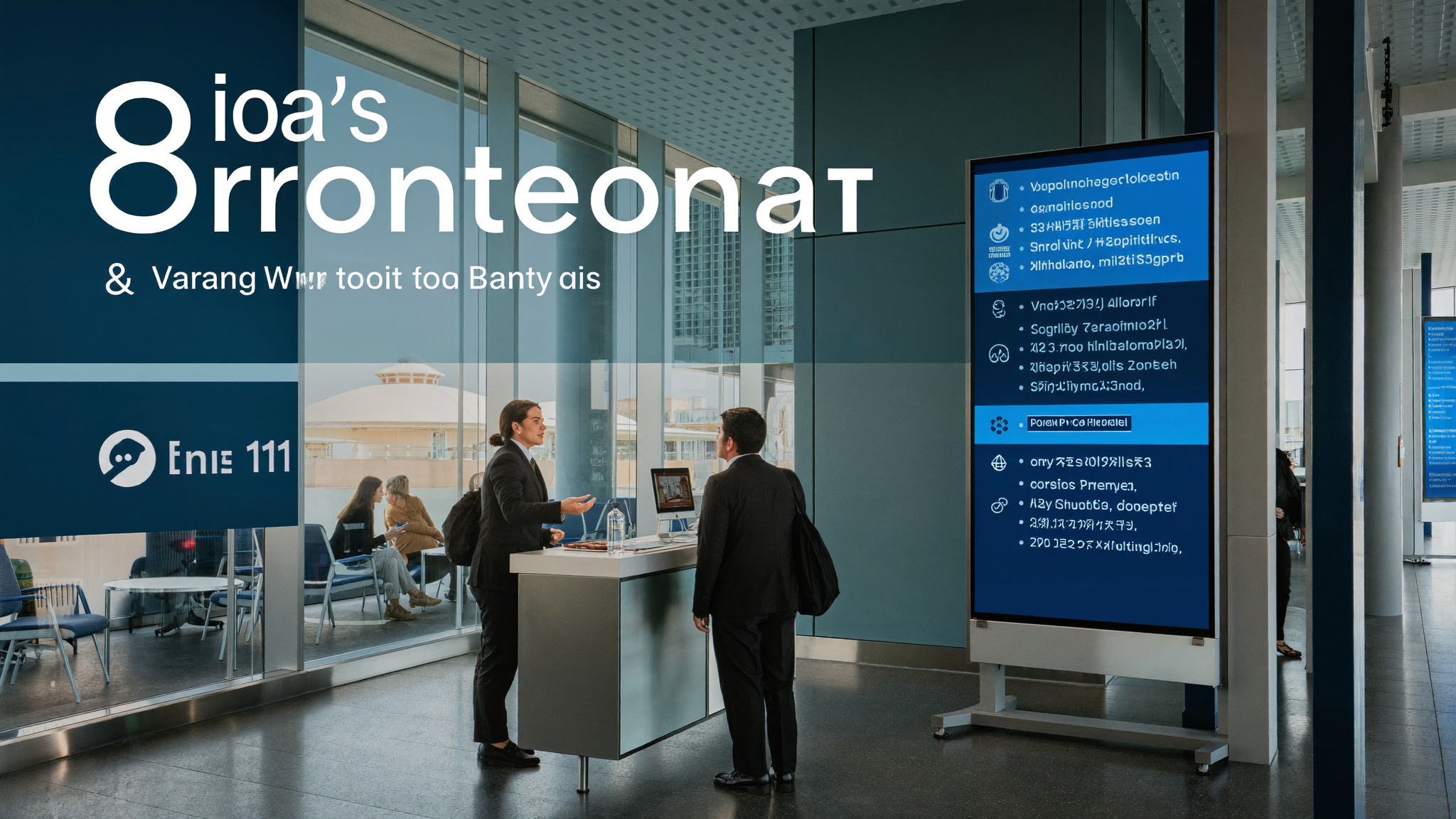
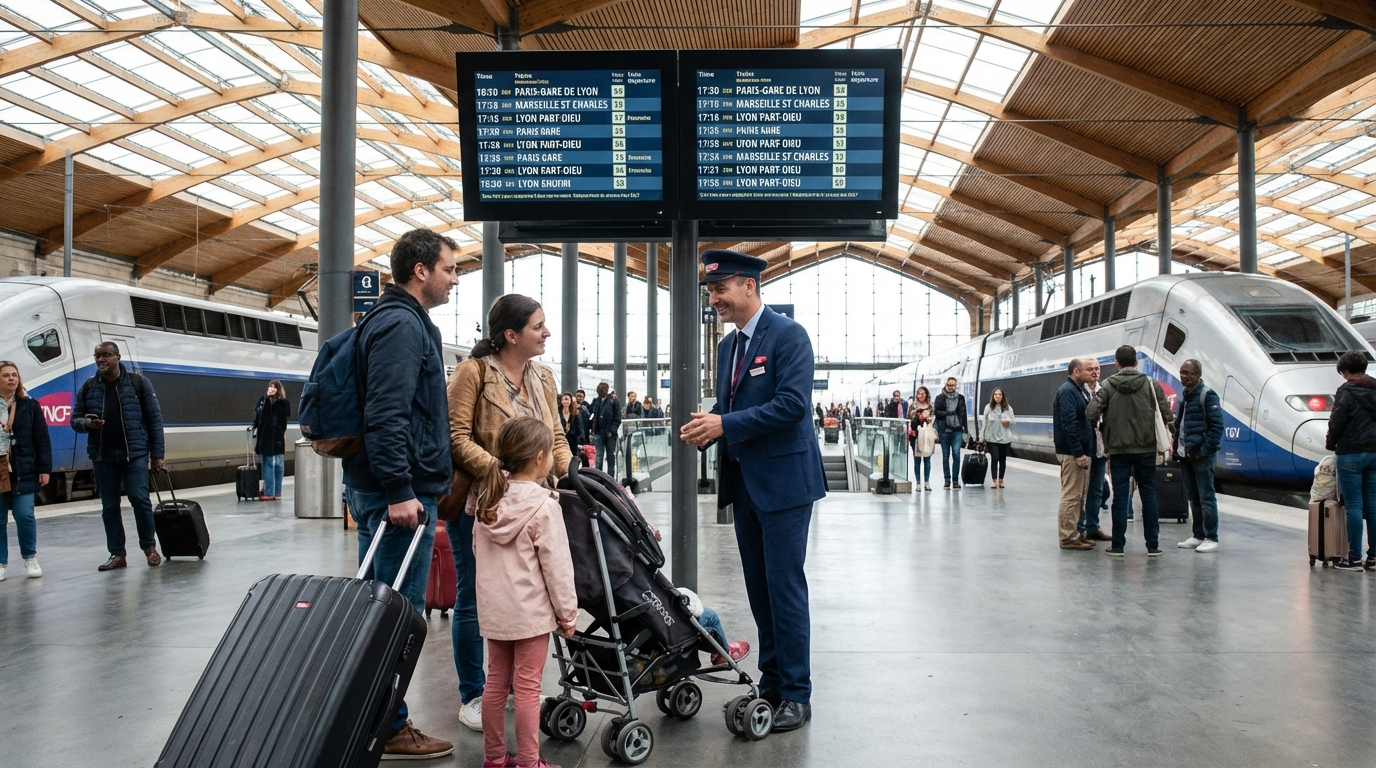
The stakes: welcoming passengers, handling tense situations, real-time information. The key argument: training hundreds of geographically dispersed staff to a consistent standard, without pulling teams off site.
The stakes: in-store conversion, a differentiated customer experience, sales assistant turnover. The key argument: sales staff trained in soft skills improve closing rates by 20-45% and stay in post longer.
Ask three questions: what operational problem are you trying to solve? How many people are affected? What is your timeline? The answers size your proposal and filter out prospects who are not serious.
Build a role play scenario matched to the prospect's own job roles. Fifteen minutes is enough to create an emotional click that a competitor with a slide deck will never produce.
Present three options: a pilot, a standard rollout and a premium programme with hands-on support. The middle option usually converts, but the premium option anchors perceived value.
Run the pilot against indicators defined jointly with the client. Measure everything: engagement, progress, satisfaction, observable business impact. That data is what will sell the large-scale rollout.
Move from pilot to annual contract by building on the results you measured. Offer recurring sessions that maintain and reinforce the skills people have acquired. Retention is the real profit engine of a well-designed soft skills catalogue.
Selling soft skills training to HR is about selling a business result, not a piece of content. The providers who win are the ones who quantify impact, demonstrate through practice, and reduce perceived risk with measured pilots. To round out your approach, explore the best methods for teaching soft skills and strengthen your credibility as a trainer.