
Across several startup support programmes — SINGA, French Tech Tremplin, EuraTechnologies, and soon Sport dans la Ville — we have run practical workshops for founders at the very start of their entrepreneurial journey.
The picture is the same everywhere: these founders have an idea, plenty of energy, sometimes a prototype — but when it comes to booking a meeting, understanding a customer's need or defending their offer, the reflexes are not there. The aim of the workshops was straightforward: turn what is often theory into operational skills they can use in their very next meeting.
Train and drill first-time founders on three fundamental sales pillars:
The overarching goal: build founders' confidence, increase their meeting conversion rate, sharpen their value proposition and get them comfortable in front of a prospect — including one who pushes back.
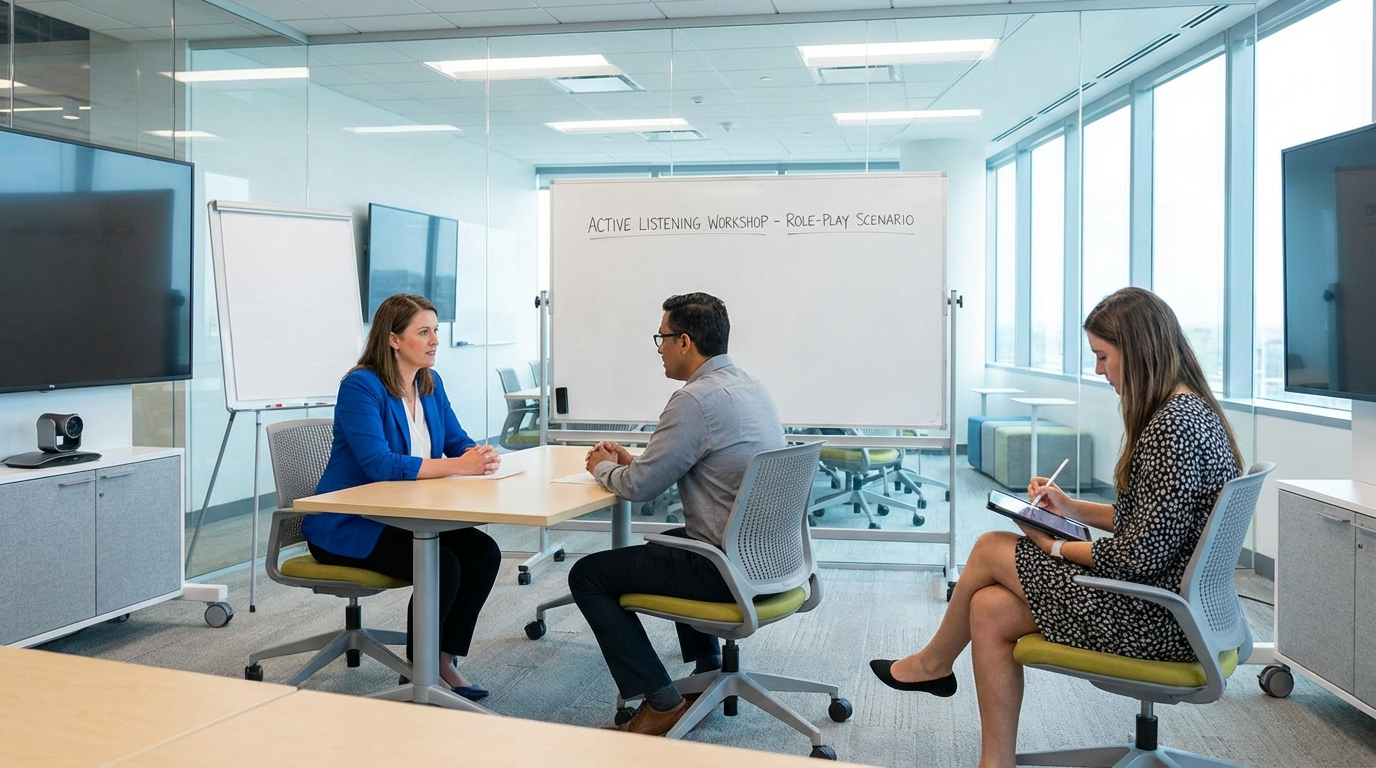
Each workshop runs for roughly half a day and alternates between technical input and role-play.
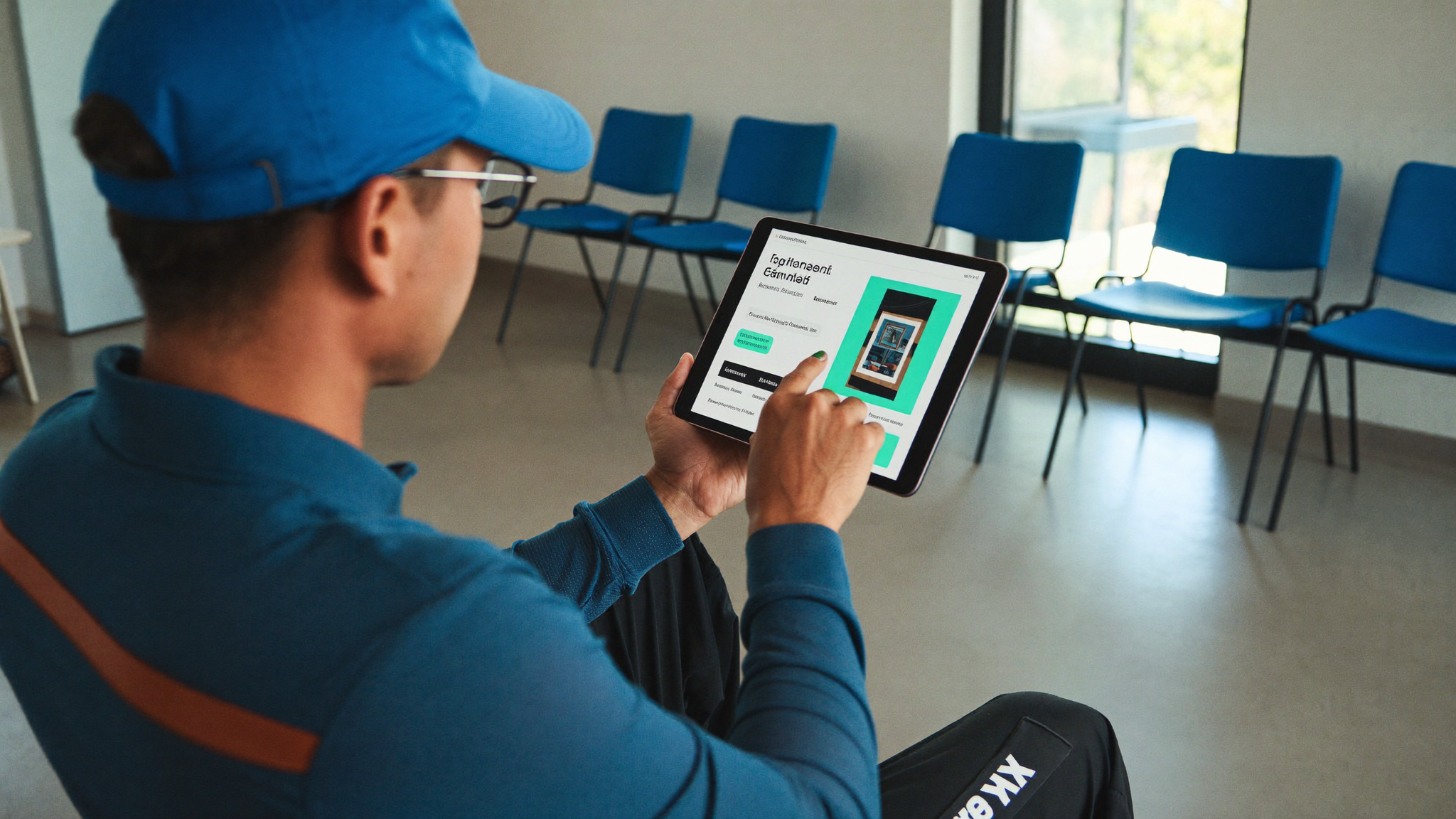
Participants work opposite AI avatars playing realistic prospects, with objections, different speech patterns and varying emotional states. It is not a quiz or a fill-in-the-blanks exercise — it is a genuine conversation in which the avatar reacts in real time to what the founder says.
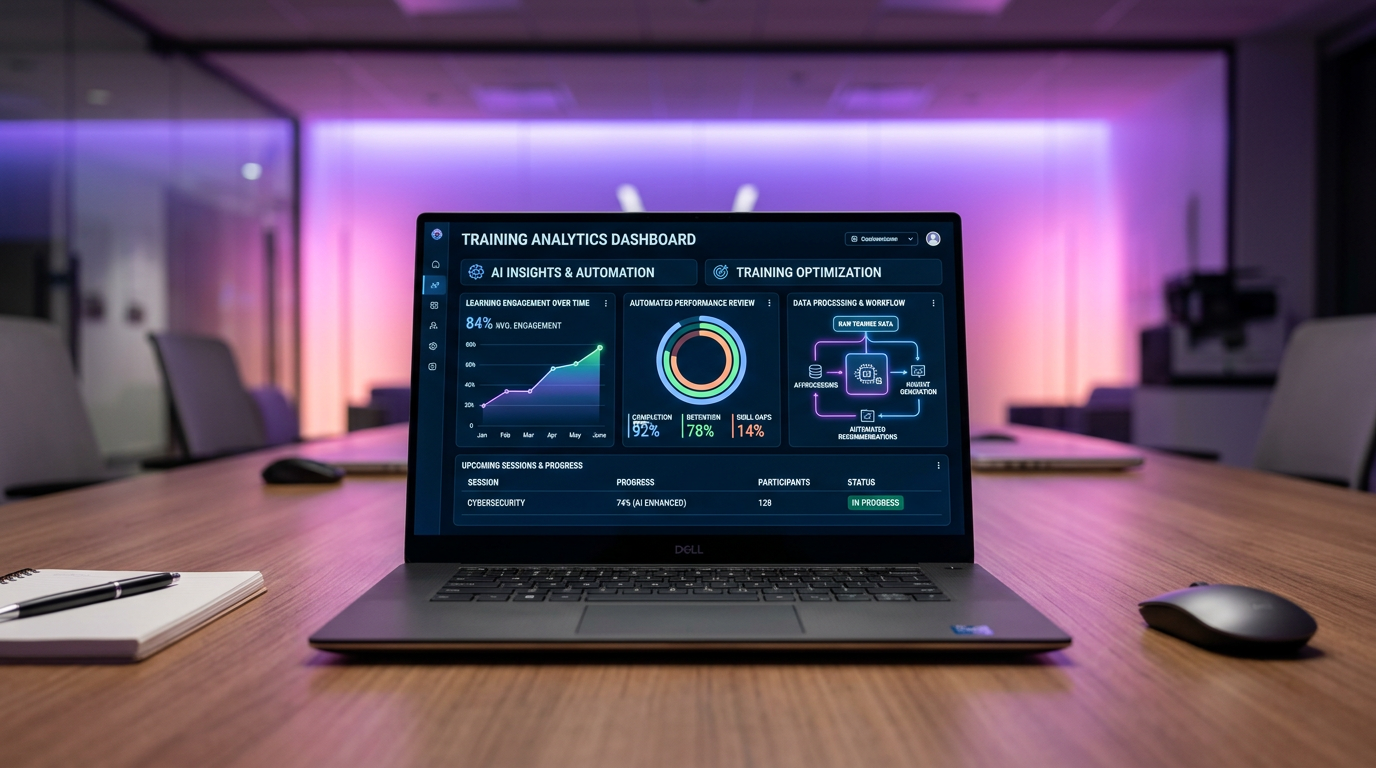
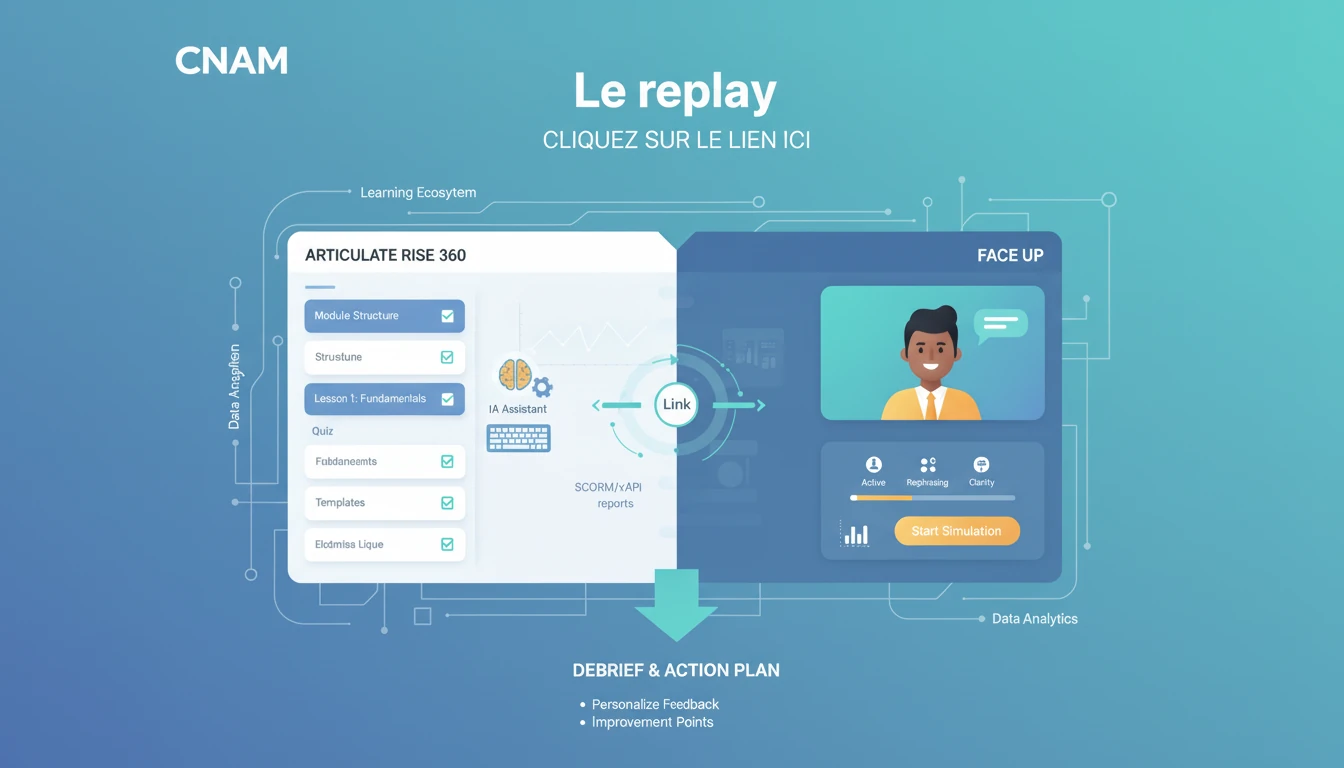
After each exchange, an automatic debrief analyses substance (arguments used, questions asked, pitch structure) and delivery (tone, pace, clarity). Participants immediately see their strengths and what to work on, then run the exchange again until they find wording that sounds like them.
After the in-person session, they carry on online with Face Up to consolidate what they learned between workshops and track progress over time.
The programme scored an NPS of 75 — a very high figure for professional training.
Asked whether they felt confident in their ability to present their project clearly to a prospect and secure a meeting, founders' self-reported confidence rose from 40% to 80%. In practice, that means:
What made the difference compared with conventional training was repetition. In half a day, each participant practised the same exercise four to six times with variations — where a traditional peer role-play allows one or two runs at best.
Given the level of engagement, these workshops are now scheduled throughout the year across the different cohorts. The plan is to expand the scenario catalogue with increasingly specific situations: fundraising conversations, partner negotiations, the first inbound call.
Interested in running a workshop within your own support programme?
Get in touch: contact@face-up.fr