
In specialist retail, staff turnover is a structural fact of life. Chains recruit continuously, train, and watch part of their teams leave before they are ever fully operational. The cost is considerable: replacing a sales adviser absorbs recruitment spend, training time and months of lost productivity.
One specialist retail chain in France (180 stores, 2,400 sales advisers) decided to break that cycle by rebuilding its onboarding programme from the ground up. The goal: cut the time a new adviser needs to reach an acceptable level of performance, while improving the quality of the customer relationship from the very first weeks.
The context was demanding. The chain sold technical products that require expert advice. A poorly trained adviser did not simply sell less — they degraded the customer experience and the reputation of the brand.
Analysis of the existing induction path revealed a familiar but ineffective pattern:
Week 1: product training by e-learning (eight hours of video plus quizzes). Weeks 2-3: in-store observation alongside a senior adviser (shadowing). Weeks 4-8: first supervised sales. Weeks 9-12: full autonomy — in theory.
In reality, the average time to reach 80% of an experienced adviser's performance was fourteen weeks. Worse, 28% of new recruits left the business before the end of that period, often discouraged by demanding customers they had no idea how to handle.
Three skills were consistently weak among new advisers.
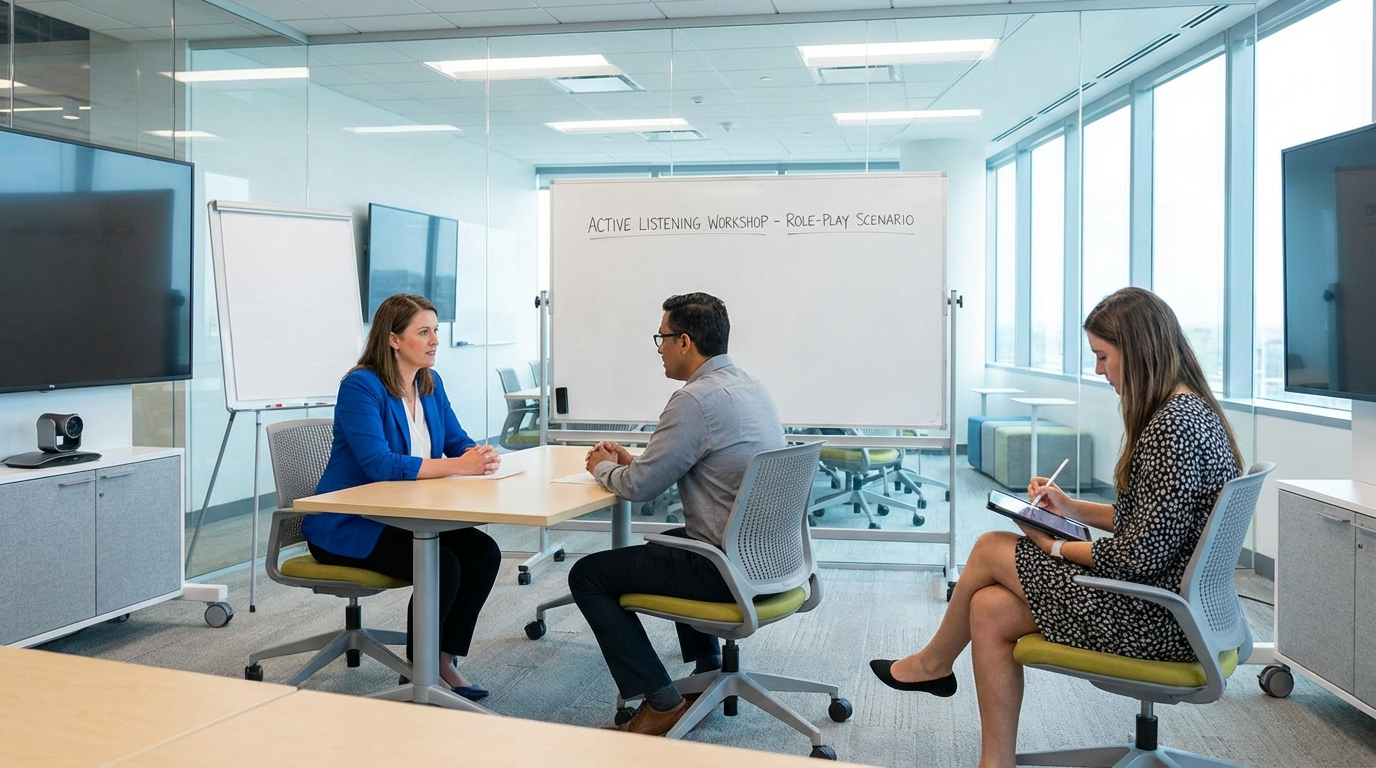
Needs discovery. New advisers asked closed questions ("What sort of budget are you working with?") instead of open questions that surface what the customer actually needs. Active listening was not a reflex but a skill that is only acquired through practice.
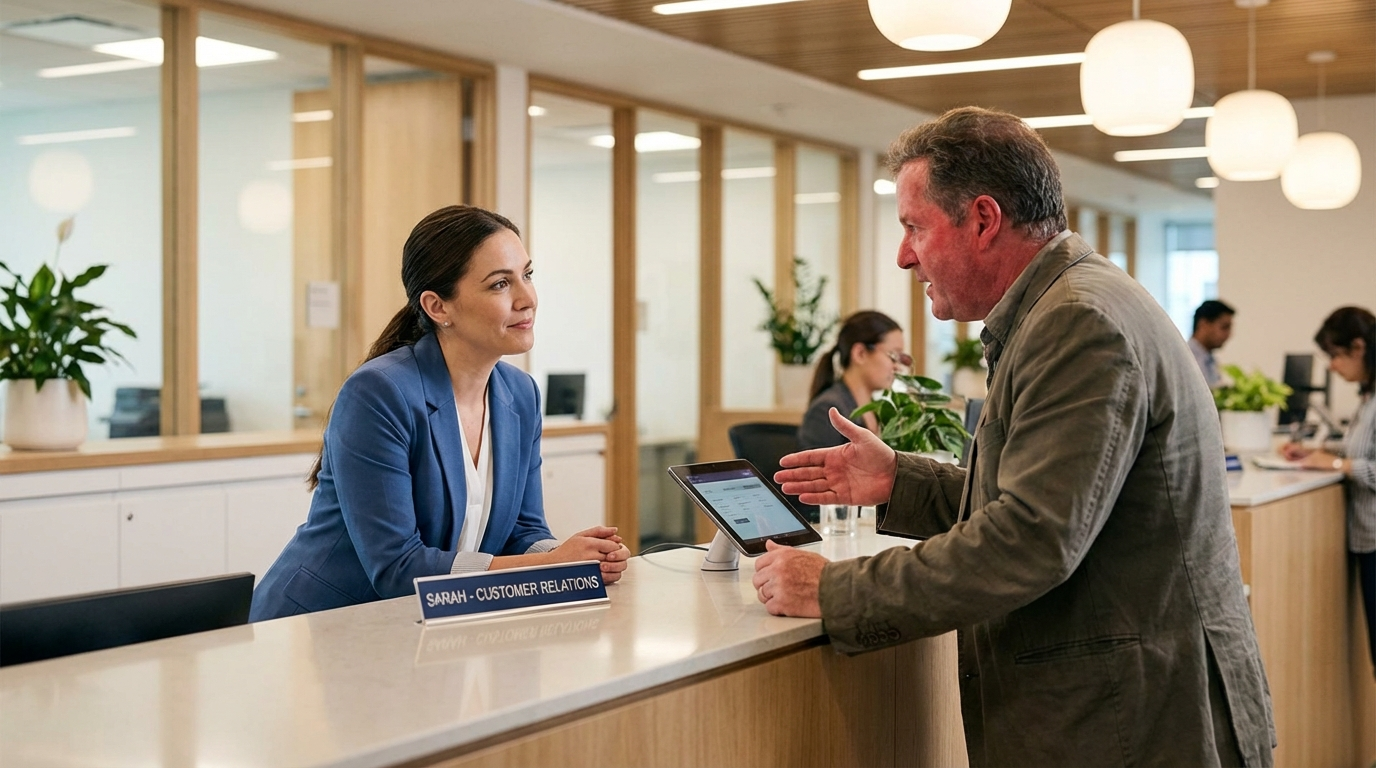
Handling purchase resistance. Faced with "I'll think about it", new advisers did not know how to respond without sounding pushy. Managing hesitation calls for specific techniques that observation alone does not transmit.
The omnichannel experience. Customers arrived in store having already browsed the website, compared prices online and read reviews. The adviser had to fold that prior knowledge into their approach — a skill e-learning could not teach.
The chain redesigned its induction path, replacing much of the shadowing with practice sessions against AI avatars. New advisers worked through realistic sales scenarios before ever facing a real customer.
The in-store sales training path was structured across three levels.
Level 1 — Fundamentals (week 1). Greeting the customer and opening the conversation. Needs discovery through open questioning. Product presentation adapted to the customer profile.
Level 2 — Everyday situations (weeks 2-3). The customer comparing against online prices. The customer torn between two products. Cross-selling and trading up. Returns and exchanges.
Level 3 — Complex situations (weeks 4-5). The customer unhappy with a previous purchase. The expert customer who knows more than the adviser. Managing a busy shop floor with several customers at once.
Every scenario included immediate feedback mechanics: after each session, the adviser received a debrief covering strengths and areas to work on, with concrete recommendations for the next session.
The programme was intensive compared with conventional microlearning: three five-minute sessions a day across the first five weeks, 75 sessions in total. That pace was deliberately high for onboarding, where the urgency of getting people up to speed justifies greater intensity.
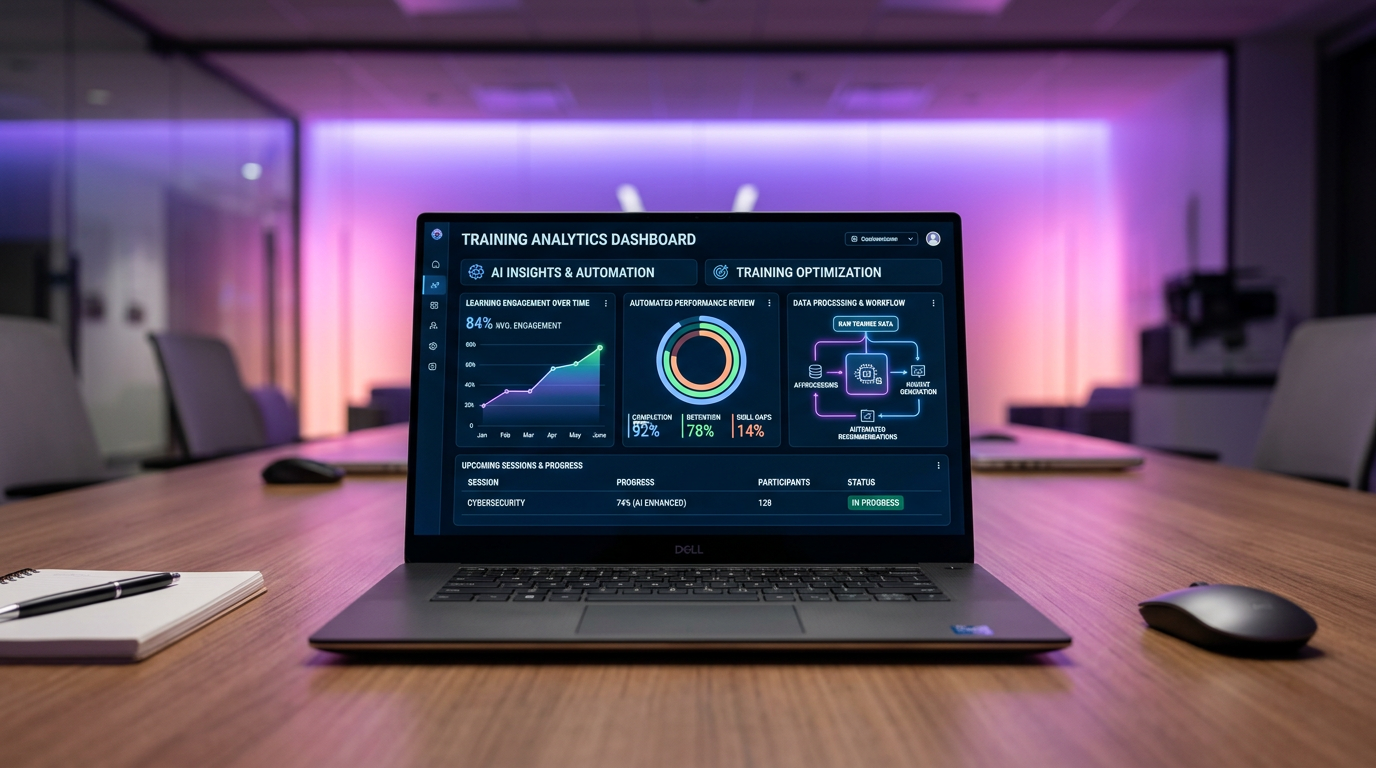
Sessions were built into the daily schedule: one in the morning before opening, one during a break, one at the end of the day. Managers received a daily progress report so they could adapt their coaching on the floor.
Onboarding time cut by 50%. The average time to reach 80% of an experienced adviser's performance fell from fourteen weeks to seven. Advisers trained through simulation showed stronger interpersonal skills from their third week of real practice.
Customer loyalty up 22%. The three-month customer return rate rose significantly in the pilot stores, confirming the hypothesis: an adviser who is good at needs discovery and tailored advice creates an experience worth coming back for.
Probation-period turnover down 40%. Departures among new recruits in the first three months fell from 28% to 17%. The feedback from advisers who went through the programme: "I felt ready much sooner", "The exercises gave me confidence before I faced real customers".
Average basket up 18% for simulation-trained advisers compared with the previous cohort trained by shadowing. Cross-selling and trading up, rehearsed in simulation, translated into measurable commercial results. The return on investment exceeded the initial projections.
The fundamental shift: instead of observing and then being thrown in (shadowing to autonomy), advisers practised in a safe environment first, then validated in supervised real conditions. A mistake in simulation costs no real customer anything, and that is what frees people to learn.
The programme did not open with the hardest situations. Gradually increasing difficulty let advisers consolidate the core skills before tackling edge cases. Each level cleared reinforced confidence.
The programme did not require pulling advisers off the shop floor for whole days. Five-minute sessions slotted naturally into the working day, aligning training with the operational realities of retail.
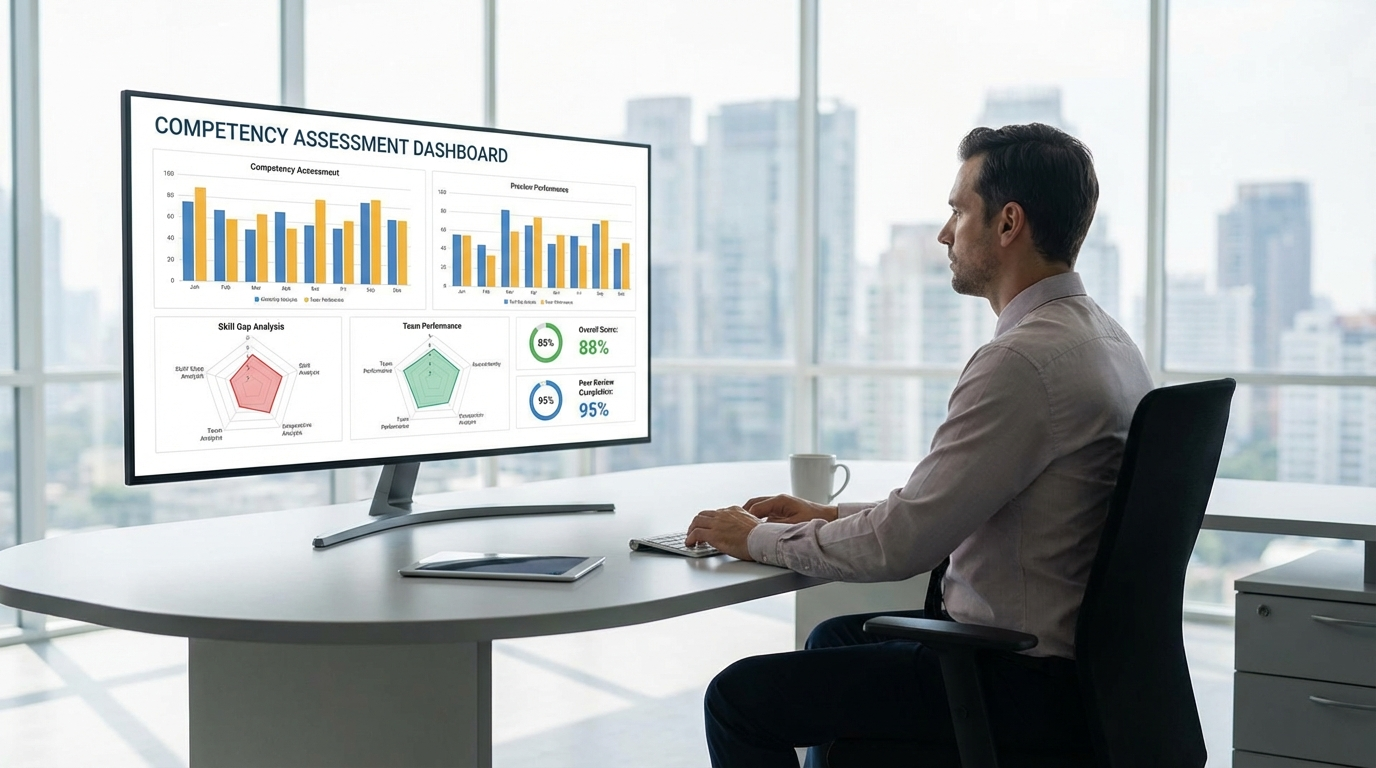
Progressive certification in the form of skill badges created positive momentum. New advisers could see their progress and compare it against company benchmarks. Managers used the same data to calibrate their coaching.
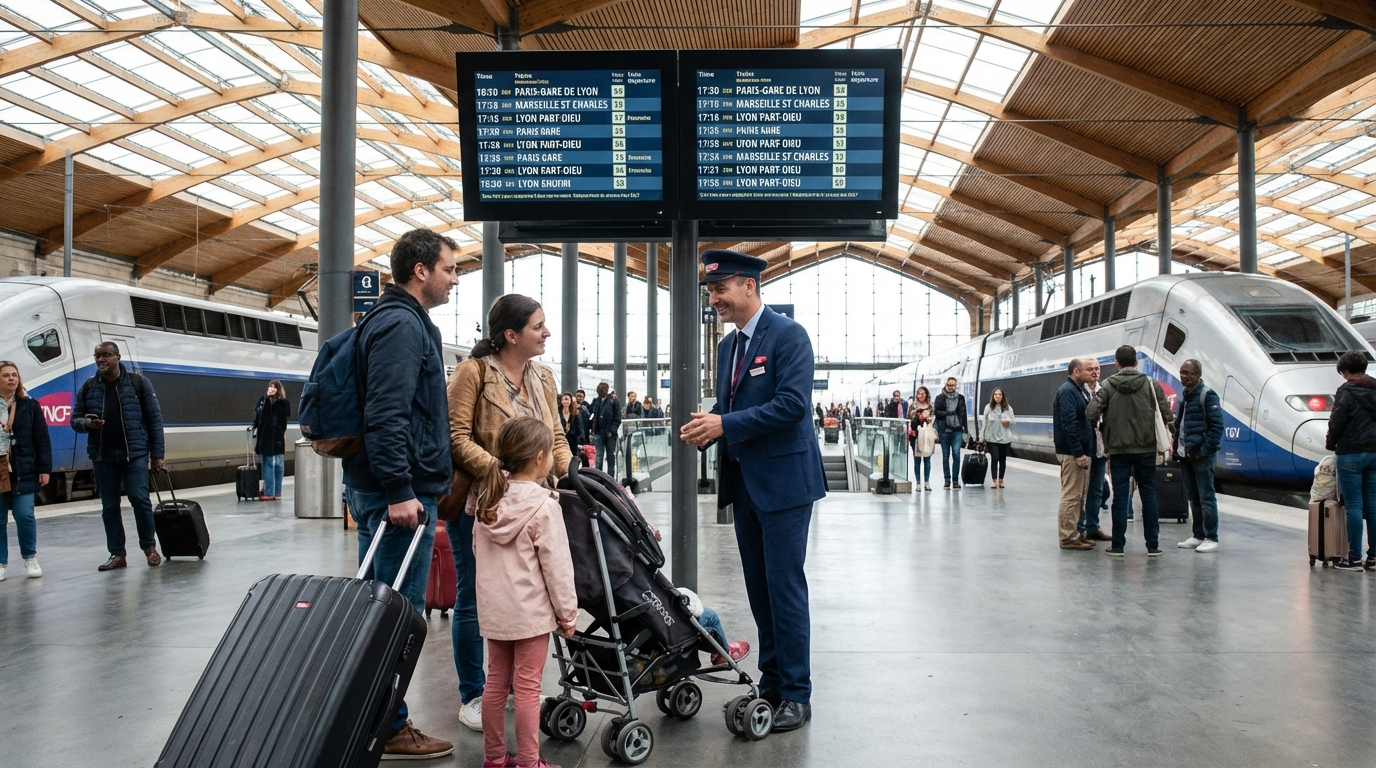
Onboarding is a critical moment in every customer-facing sector. Retail shares with public transport and banking the same challenge: making people operational quickly on skills that are normally acquired through experience.
AI simulation does not replace time on the floor. It accelerates it. An adviser who has worked through fifty different scenarios in simulation meets their first real customer with a base of reflexes that shadowing alone takes months to build.
For chains that recruit in volume and compete on the quality of their advice, the question is no longer "can we afford to invest in onboarding?" but "can we afford not to?". With turnover at 28% and onboarding running to fourteen weeks, the cost of doing nothing far exceeds the cost of change.
Want to accelerate onboarding for your sales teams? Discover Face Up and explore our ready-made retail scenarios.