
Do organisations really invest in soft skills training and get a measurable return? They do, and the results often exceed what was expected at the outset. But behind each success sits a precise methodology, a set of deliberate choices and a sustained commitment. This article sets out three concrete cases of organisations that transformed their performance through soft skills training, with the data, the methods and the lessons worth taking away.
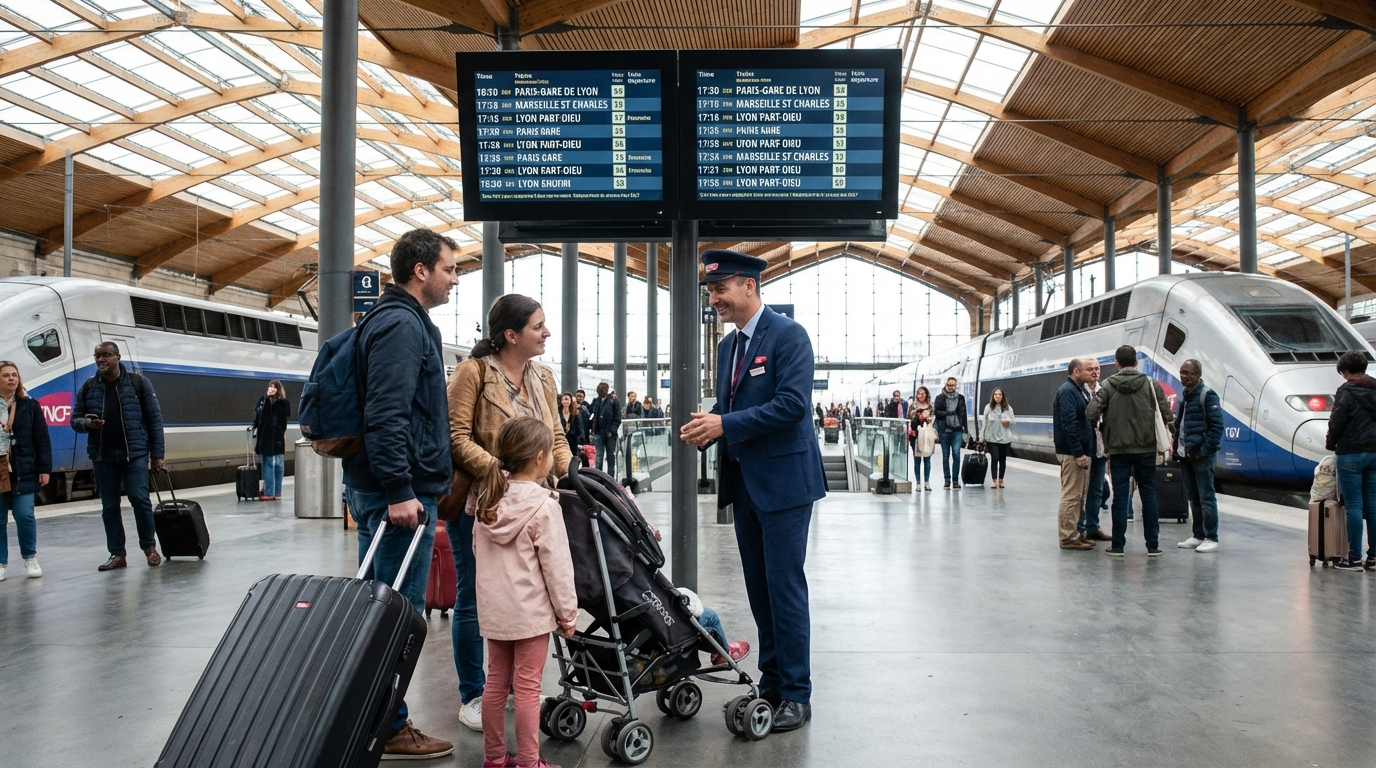
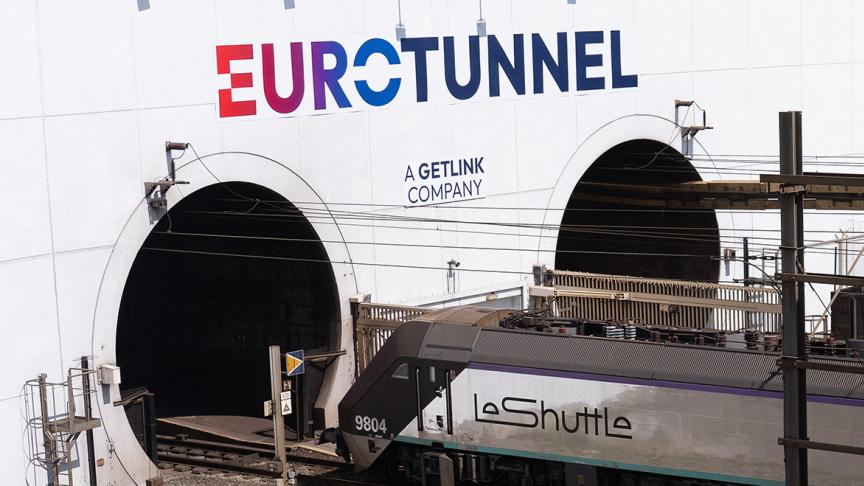
A national rail operator employs several thousand information and customer-service agents across hundreds of stations. Every year it recruits several hundred new agents to cover turnover and network expansion. Initial training historically ran for 12 weeks, four of them devoted to interpersonal skills: handling stressed passengers, announcing disruption, guiding people through complex stations, defusing conflict.
The problem: the classic classroom format could not expose each agent to enough varied situations. Agents reached the platform with theoretical knowledge and very little practice. The first few weeks were hard and generated passenger complaints. Onboarding cost a great deal for a result judged inadequate.
The operator built AI conversational simulation into its onboarding pathway. Agents practise against AI avatars playing different passenger profiles: the traveller in a rush who has missed a connection, the disoriented family with young children, the aggressive passenger whose train has just been cancelled, the older person struggling to find their way.
Each agent completes an average of 15 five-minute simulation sessions over four weeks, alongside a reduced programme of classroom sessions. Trainers, freed from running basic role plays over and over, concentrate on one-to-one coaching and targeted debriefs.
Onboarding time on interpersonal skills fell from four weeks to two, a 50% reduction. Agents trained with the simulator reach the expected performance level twice as fast. Passenger satisfaction with interactions involving new agents rose by 23 points across their first three months in post. Complaints about the service quality of new agents fell by 35%.
The key was the combination of AI simulation and focused classroom work. Simulation alone would not have been enough: face-to-face sessions remain essential for situations with a heavy emotional load. Equally, classroom work alone could not deliver enough practice per agent.
A retail bank operates several hundred branches nationally. Its advisers have to handle commercial conversations about complex products — investment wrappers, mortgages, long-term savings — while meeting strict regulatory obligations. The observation: conversion rates on sales conversations were stuck at around 18% in the wealth segment.
Reviewing those conversations showed that advisers knew their products but fell short on the relational side: not enough active listening, difficulty identifying the real need behind the stated request, arguments that were too technical and poorly matched to the client in front of them, clumsy handling of objections.
The bank rolled out a three-part programme on commercial interpersonal skills. An individual diagnostic through AI simulation established each adviser's strengths and gaps. Personalised pathways were then generated, targeting each person's priority areas. Finally, fortnightly group coaching sessions run by expert trainers worked through the hardest situations collectively.
The simulation scenarios covered the whole wealth sales cycle: first contact, discovery meeting, presenting solutions, handling objections and closing. Each client profile was calibrated to exercise a specific skill: emotional intelligence with the anxious client, interpersonal communication with the technical client, stress management with the demanding one.
After six months, conversion in the wealth segment moved from 18% to 23.8%, an improvement of 32%. Post-meeting client satisfaction scores rose from 7.2 to 8.4 out of 10. The return on investment calculated over the first year came to 4.2 times the cost of the programme. Average meeting length dropped by 12%, as advisers became sharper in the discovery phase.
The individual diagnostic is decisive. Two advisers with the same conversion rate can have radically different skill profiles. One listens well but closes badly; the other closes well but never digs deep enough. Personalising the pathway, which the AI made practical, was the key driver of progress. Generic methods would not have produced the same impact.
A specialist retail chain runs 200 stores and employs more than 2,000 sales advisers. Customer surveys showed a wide spread in service quality between stores: the best reached an NPS of 72, the weakest sat at 34. That spread translated into significant differences in revenue per square metre.
Analysis showed the gap had nothing to do with the products or the store layout, and everything to do with the quality of the human interaction. The top-performing stores were those whose teams had mastered customer-service interpersonal skills: a personal welcome, listening for the actual need, advice that fits, and recovering well when something has gone wrong.
The main challenge was deployment at scale: training 2,000 people across 200 sites, around trading hours. A fully face-to-face approach would have taken 18 months and cost more than the business could justify.
The chosen solution combined conversational micro-learning modules — five-minute simulation sessions, three times a week, available on a tablet in the back office — with quarterly three-hour classroom sessions run by managers trained in advance, plus a monthly challenge with an anonymised team leaderboard.
The simulation scenarios cover the eight key moments of the in-store customer relationship: the welcome, identifying the need, presenting the product, handling objections, cross-selling, dealing with complaints, building loyalty and closing on a positive note. Each scenario is calibrated to situations specific to the brand.
After nine months, the NPS gap between the best and weakest stores narrowed from 38 points to 15. The chain's average NPS moved from 48 to 61. Average basket value rose by 8.5%. Adviser turnover fell by 18%, as staff became more confident and more engaged with the skills they had gained. Completion of the micro-learning sessions reached 78% — well above typical e-learning benchmarks.
Gamification and team challenges were powerful accelerators of adoption. The micro-learning format — five minutes, three times a week — proved well suited to the rhythm of retail. Involving managers as training leads was decisive: stores where the manager took an active part in the programme performed 40% better than the rest.
In all three cases, the shift towards intensive practice was what produced the transformation. Lecture-based training, however good, does not create lasting behavioural change. Repeating realistic situations, which technology makes feasible, is the mechanism that embeds a skill.
None of these organisations adopted technology for its own sake. AI was brought in to solve a concrete pedagogical problem: enabling intensive, personalised practice at scale. It amplified the trainers' expertise rather than replacing the trainers.
All three organisations defined precise success indicators from the start and measured them rigorously. That discipline let them adjust the programme as it ran, demonstrate the return and secure lasting executive support for continued investment.
In every case, the active involvement of frontline managers multiplied the programme's impact. Organisations where training is seen as a project owned by the L&D function alone get weaker results than those where operational management is genuinely on board.
Which performance problem is soft skills training meant to solve? Onboarding that takes too long, weak sales conversion, inconsistent service quality, excessive turnover? How clearly you frame the problem determines how well the solution fits.
Before you launch, decide which metrics you will track: NPS, conversion rate, onboarding time, complaint rate, turnover. Without indicators agreed up front, you can neither steer the programme nor demonstrate its impact.
Pick a programme that combines intensive practice (AI simulation), teaching expertise (qualified trainers) and the capacity to deploy (technical scalability). Check the provider's references on cases similar to your own.
Start with a pilot on a limited scope. Measure the results, gather feedback, adjust. Then roll out progressively, keeping the same rigour in measurement.
Soft skills training is not a one-off event. Put continuous reinforcement in place: regular simulator sessions, team challenges, targeted coaching and indicators tracked over time.
These three case studies show that soft skills training produces tangible, measurable results when it is designed and deployed with rigour. What the successes share: an approach centred on practice, personalisation made possible by technology, systematic measurement of outcomes, and management buy-in.
The trends shaping 2026 are putting these approaches within reach of a growing number of organisations. Conversational AI learning, objective impact measurement and optimised blended formats are no longer the preserve of large groups. The training providers and L&D teams that pick up these tools now are the ones that will produce the most significant results for their clients and their people. Funding is available and the evidence is in: what remains is to act.