
In a world where almost everything can be bought online, why do customers still walk into a shop? For the experience. The advice. The human contact. And it is the sales adviser who embodies all three. Their ability to welcome, advise and build a connection determines not only today's sale but long-term loyalty.
Yet customer relations training is still the poor relation of retail development. Advisers are trained on products, with technical specifications and sales arguments, but rarely receive structured training in relational skills. The result: people who know the catalogue inside out but struggle to connect with the person in front of them.
Price and product range no longer set a shop apart. E-commerce usually offers a keener price and a wider choice. What the physical store offers exclusively is human interaction: trying the product with expert guidance, asking questions in real time, and a full sensory experience.
An adviser who turns a visit into something memorable generates recommendations, repeat visits and attachment to the brand. It is an investment whose return is measured in lifetime value, not just in average basket size.
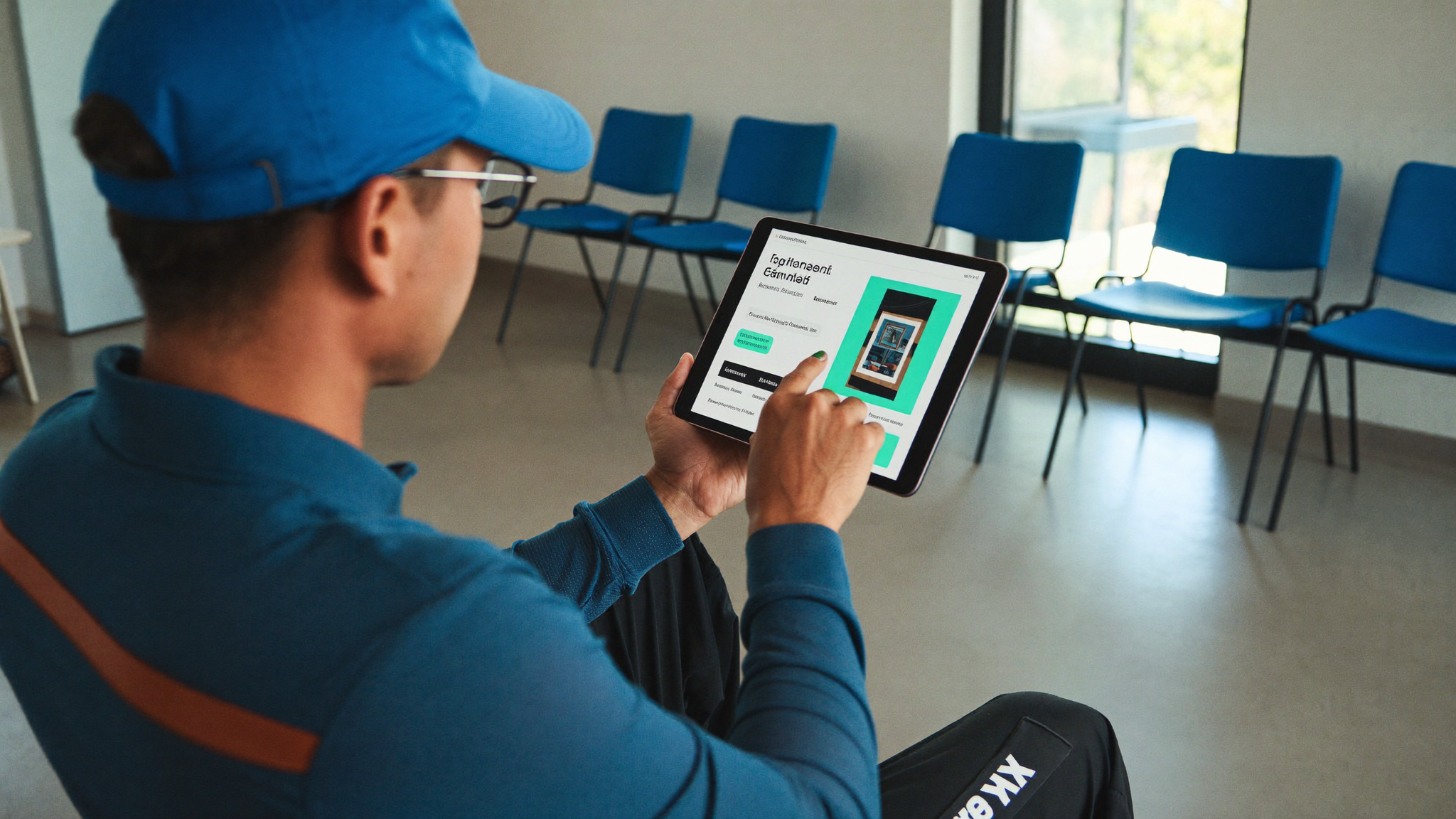
Today's customer moves between channels: they research online, try in store, compare on their phone, then order for click and collect. Advisers need to handle this omnichannel relationship: looking up cross-channel purchase history, processing returns of online orders, and offering digital services such as wishlists, reservations and home delivery.
Moving fluidly between channels calls for a new relational skill. The adviser is no longer selling a product in a shop; they are supporting a customer through a multichannel buying journey.
Retail suffers from high turnover, particularly among sales teams. Every departure is expensive: recruitment, training, and the ramp-up period. And every new adviser who has not been trained is a risk to the customer experience.
Fast, effective onboarding is therefore critical. Results show a 50% reduction in onboarding time when training combines product e-learning with simulated sales situations. New advisers become productive sooner and the cost of integration falls.
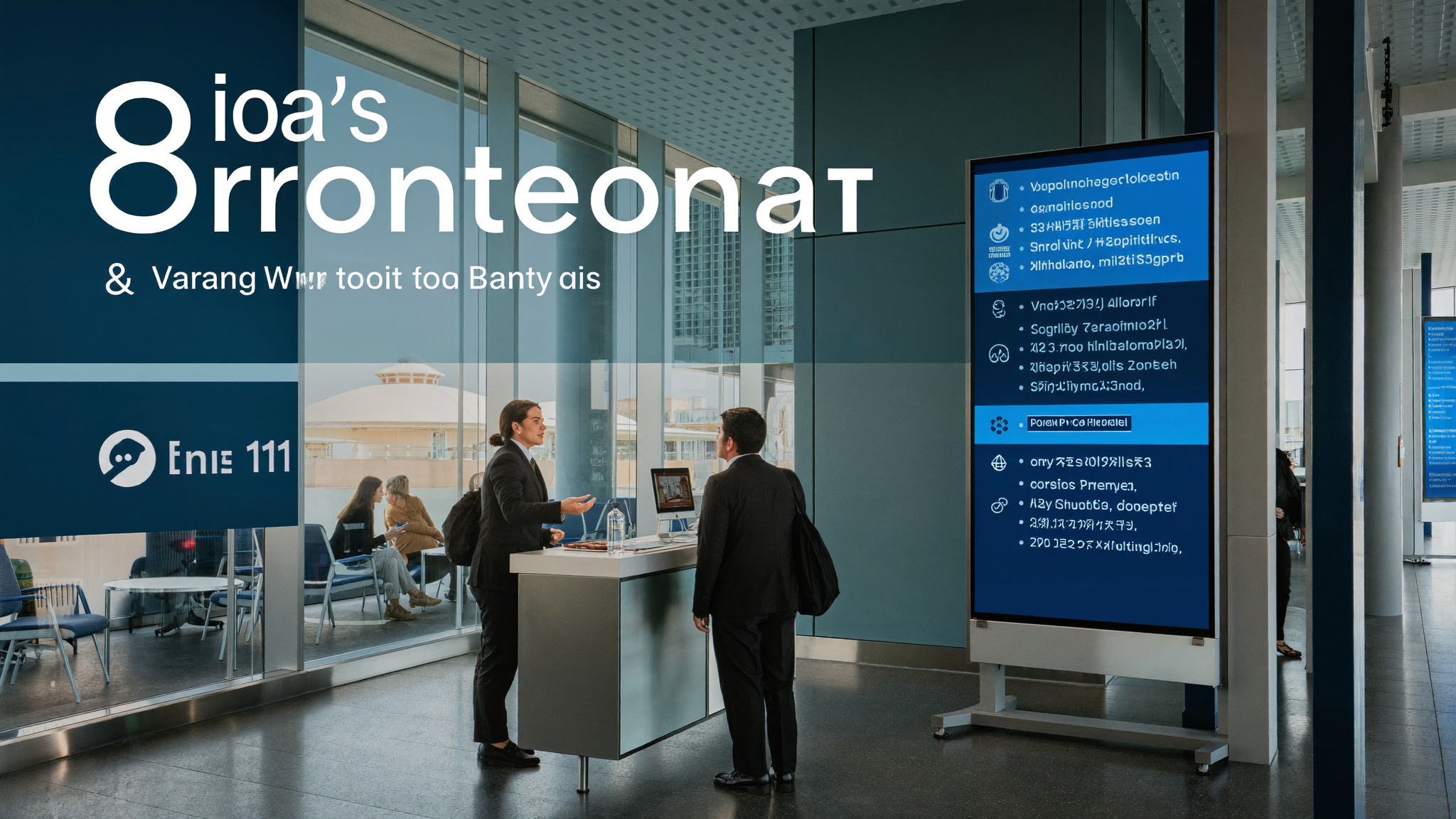
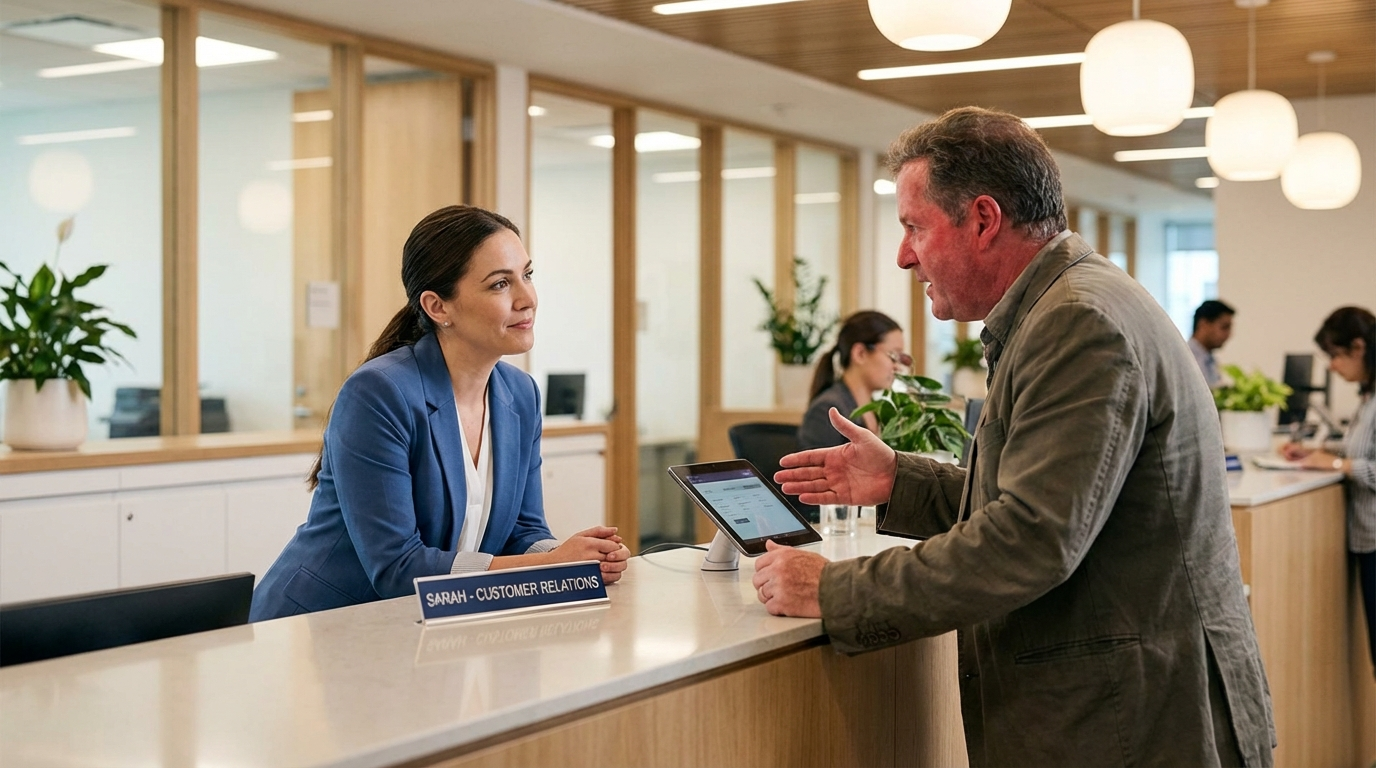
The first 30 seconds set the tone for everything that follows. A warm greeting, eye contact, a smile, an opening line suited to the customer: these simple things separate someone who feels welcome from someone who turns on their heel.
Non-verbal communication matters especially in retail. An adviser who approaches too quickly feels intrusive. One who stays behind the counter feels indifferent. Getting the balance right, available without hovering, takes practice.
The difference between a good adviser and an excellent one lies in discovery. A good adviser answers the explicit request ("I'm looking for a phone"). An excellent one explores the real need ("What will you mainly use it for? Any preferences? What sort of budget?") and proposes the best fit.
Active listening underpins this skill: asking the right questions, reformulating, and picking up on unspoken needs. Someone buying a gift is working to entirely different criteria from someone buying for themselves.
Making the case is not reciting a spec sheet. It is translating features into concrete benefits. "This device has 128 GB of storage" says nothing. "You can keep every holiday photo without ever worrying about space" says something.
Add-on selling, whether accessories, warranties or services, rests entirely on the relevance of the advice. An adviser who suggests a genuinely useful complement adds value. One who pushes something unnecessary destroys trust.
"It's too expensive", "I'll look elsewhere", "I saw it cheaper online": handling objections is daily life on the shop floor. The key is not a stock answer for every objection but understanding what sits behind it.
A price objection usually hides a doubt about value. "I'll think about it" usually hides an unspoken hesitation. A trained adviser explores the objection instead of fighting it, and turns doubt into an informed decision.
Closing a sale is not an act of pressure. It is the natural end point of advice given well. An adviser who has uncovered the need, proposed the right solution and addressed the doubts simply has to support the decision.
Loyalty starts as the sale ends: thanking the customer, reminding them of the services available (after-sales support, returns, loyalty scheme), and saying goodbye warmly. Those last few minutes decide whether the customer comes back.
AI-based role-play lets advisers practise the whole sales process: greeting, discovery, advice, objections, close. The customer avatar is configured with a specific profile, covering budget, product knowledge and personality, and the adviser trains as though they were on the shop floor.
Face Up offers scenarios built for retail: the undecided customer, the expert who knows more than the adviser does, the customer in a hurry, the one buying a gift, and the one unhappy with a previous purchase. Each scenario works on specific skills and ends with actionable feedback.
Retail teams cannot disappear from the floor for hours at a time. Microlearning fits into the working day: a five-minute capsule before opening, a quick simulation during a break, a product quiz between customers.
Short AI simulations suit this pattern particularly well: five minutes to practise greeting a new type of customer, presenting a new product, or handling one specific objection.
The department or store manager is the everyday trainer. Yet few managers are themselves trained to coach relational skills. The teaching methods behind debriefing and constructive feedback need to be taught to managers so they can support their teams day to day.
Simulation replays are a powerful coaching tool: manager and adviser watch an interaction back together, identify what worked and what to improve, and agree progression goals. Live observation and timestamped replay make the debrief precise rather than impressionistic.
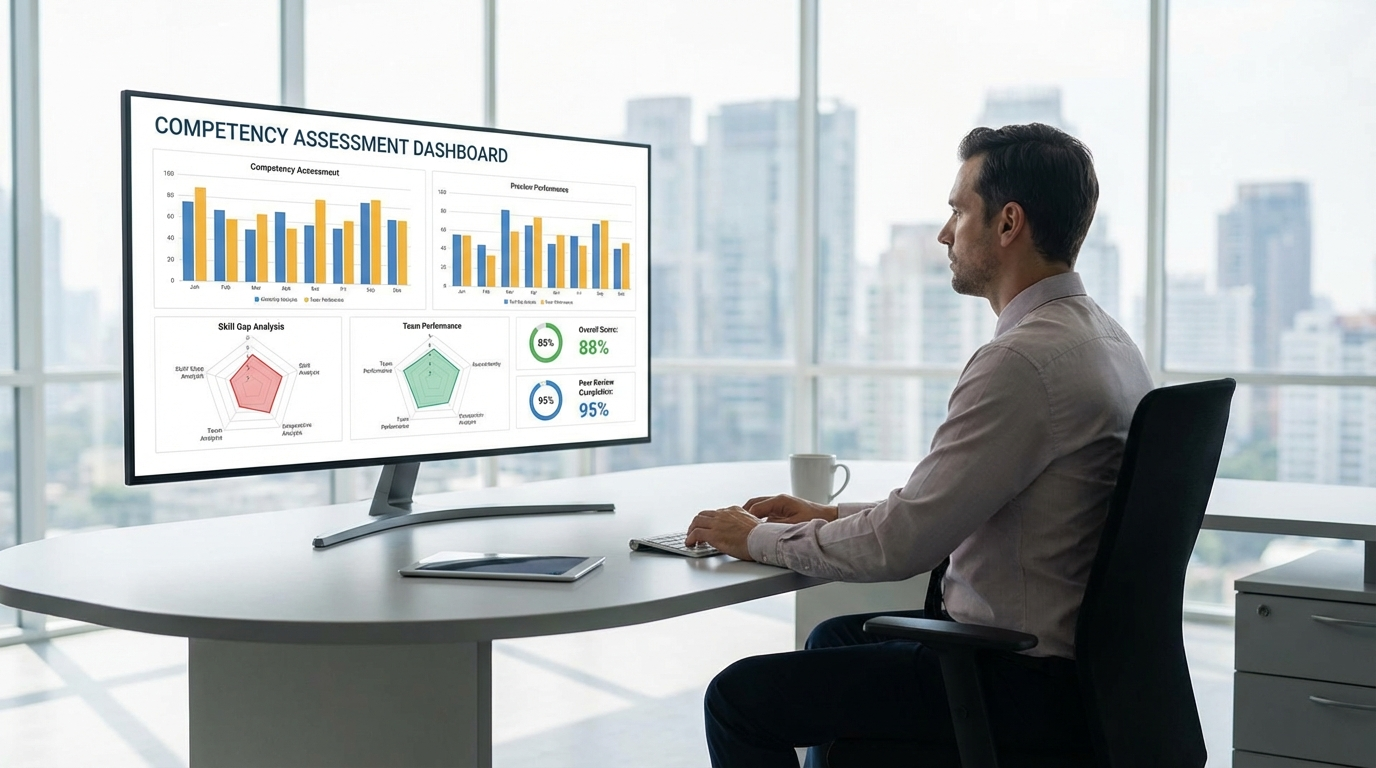
Conversion rate (visitors to buyers), average basket, attachment rate on add-ons, return rate: these indicators reflect the quality of advice directly. Track them before and after training to measure impact.
Post-purchase surveys, online reviews, store-level NPS: satisfaction is the best indicator of relational quality. Stores whose teams have been trained score noticeably higher.
Advisers who are trained and competent are more engaged. They sell better, feel more legitimate in the role, and stay longer. Regular skills assessment and recognition of progress both help reduce turnover.
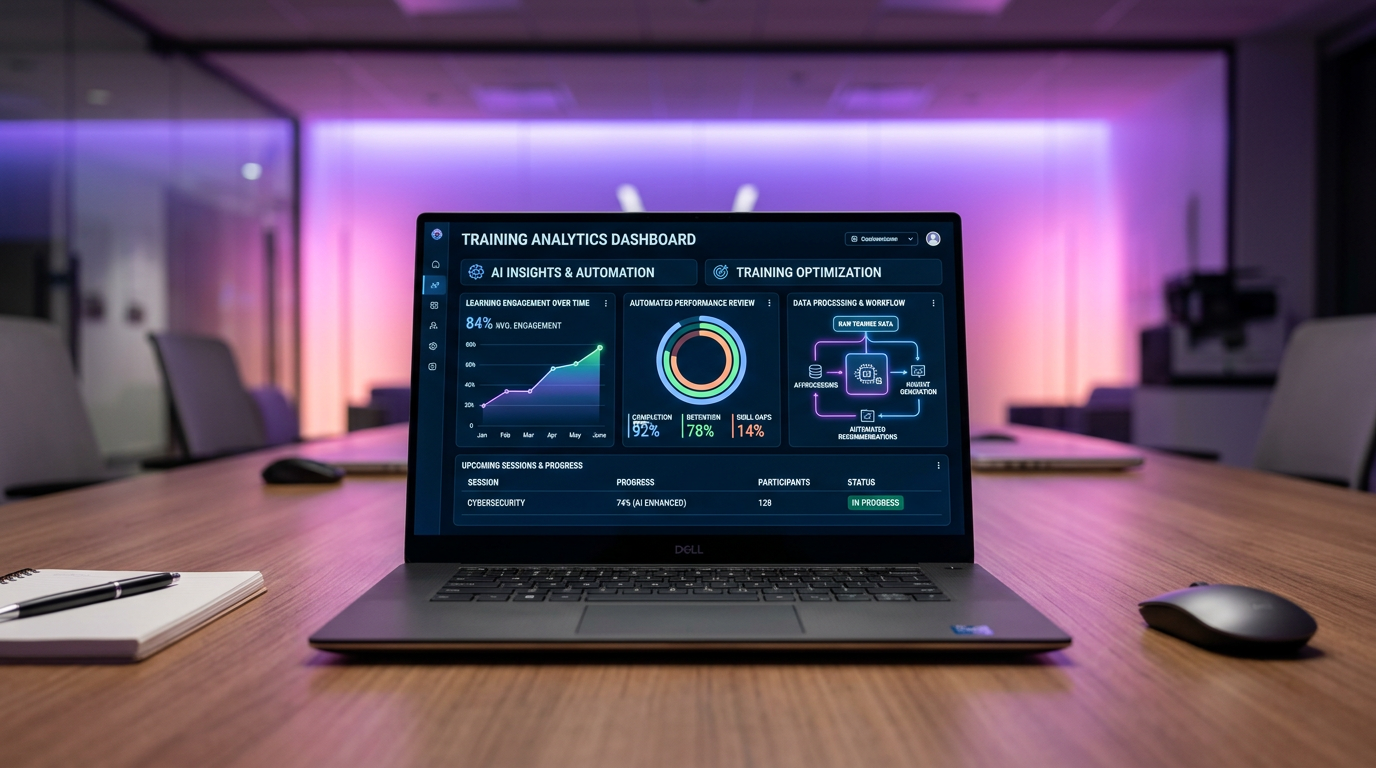
The ideal programme combines accelerated onboarding (product e-learning plus simulations of typical situations), continuous practice (microlearning plus regular AI simulations), coaching on the floor (managers trained to debrief), and progress tracking (assessment grids plus analytics).
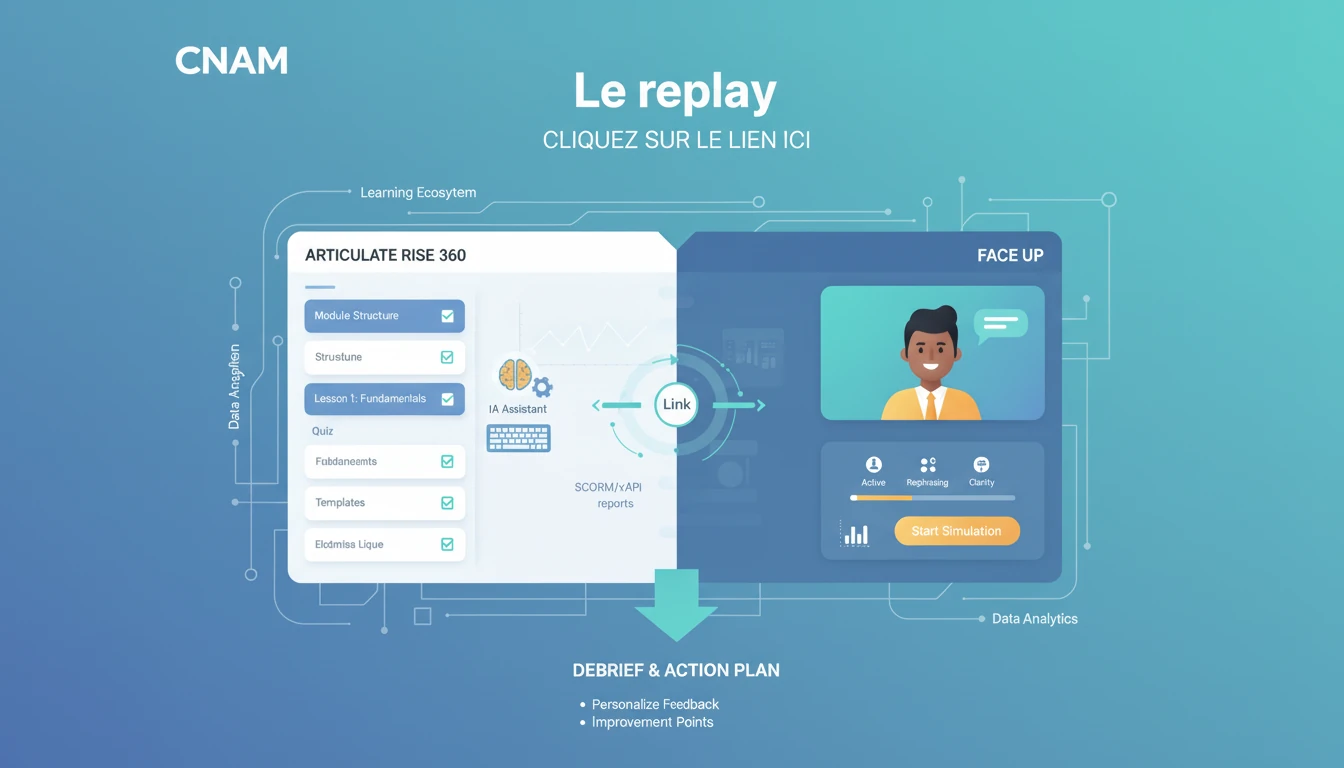
For multi-site retailers, the challenge is to roll out at scale without diluting quality. Platforms such as Face Up, integrated with the retailer's LMS, allow consistent deployment across the whole network with centralised tracking and content that can be tailored by brand or by region.