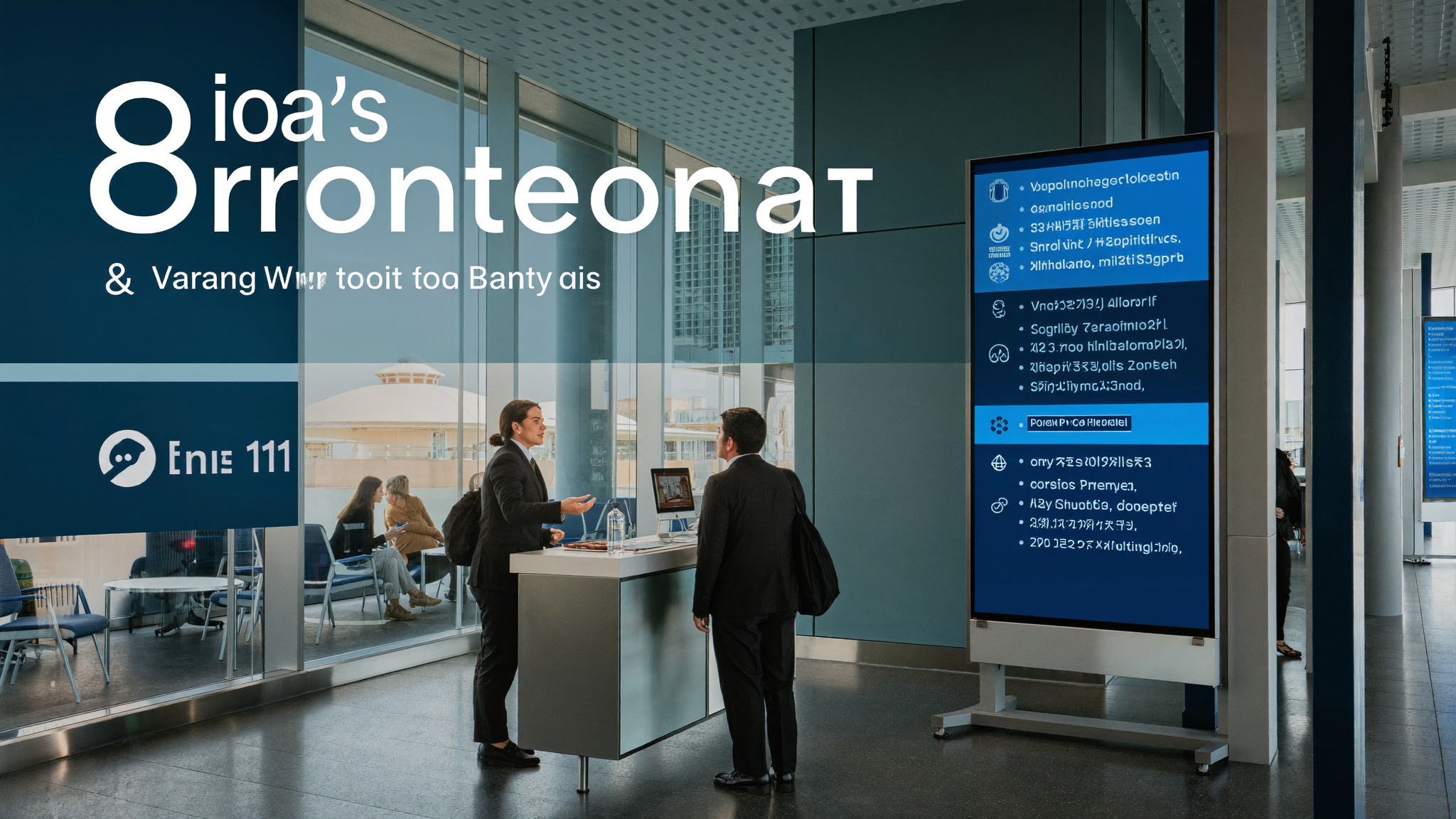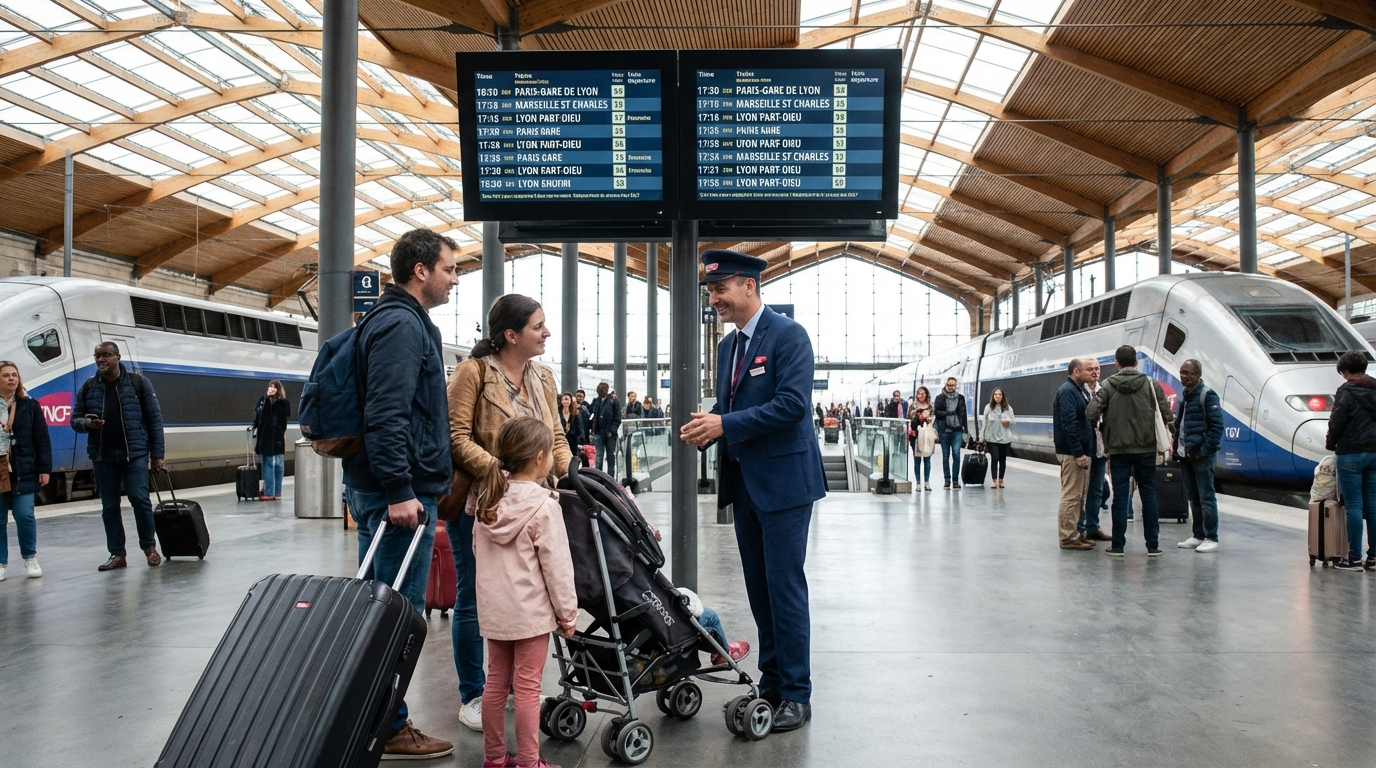

A train cancelled at the height of rush hour. A passenger lost in an international airport. A user disputing a penalty fare on board a bus. Transport is an intense proving ground for interpersonal skills. Reception and information agents have to manage heavy passenger flows in frequently stressful situations, working from information that changes in real time.
For training providers working with the sector, demand is strong. Rail operators, airports, urban transport networks and coach companies are all investing in the skills of their front-line teams — all the more so because the quality of passenger reception has become a contractual and regulatory indicator in many settings, from public service contracts to airport quality agreements. This guide sets out the behavioural skills specific to the sector and the training methods that work best.
Unlike other customer service contexts, transport is defined by time pressure. A passenger who misses a connection cannot simply "come back tomorrow". That pressure amplifies emotion: anxiety at a delay, anger at a cancellation, frustration at contradictory information.
The agent has to manage the passenger's emotion and the operational problem at the same time — finding an alternative, directing them to the right desk, explaining their rights as a passenger. That dual load, emotional and informational, is not something you improvise.
Transport agents deal with a far wider range of people than most other sectors: overseas tourists, passengers with reduced mobility, business travellers in a hurry, families with children, older passengers, daily commuters who know the network inside out. Each profile requires an adjustment of vocabulary, pace, level of detail and channel — spoken, written or gestural.
Interpersonal communication in transport therefore demands a high degree of relational flexibility. An agent who speaks the same way to a foreign tourist and to a daily commuter is meeting neither person's expectations.
Transport is particularly exposed to antisocial behaviour. A large share of front-line agents report having faced aggressive behaviour in the course of a year. Conflict management is not optional in this sector — it is a professional survival skill.
Training agents to defuse tense situations before they escalate is a safety issue as much as a service quality issue. Verbal de-escalation techniques — acknowledging the emotion, reformulating, offering an alternative — work far better when they have been rehearsed in conditions close to the real thing.
In a station, an airport or on a platform, reception does not begin when the passenger asks a question — it begins when the agent spots a passenger in difficulty. That proactive stance (approaching, anticipating, offering) is the first marker of a quality service.
Training agents to read the signals — someone hesitating in front of a map, checking their watch anxiously, struggling with heavy luggage — and to initiate contact is behavioural work that requires practice. Simulation exercises are the way to build both the observation and the willingness to step in.
One of the hardest skills to master: informing passengers when you do not have all the information yourself. A delay "of unknown duration", a connection "probably compromised", a replacement service "being organised". The passenger wants certainty; the agent has only uncertainty.
The key skill here is structured transparency: what we know, what we do not yet know, what is under way, and when the next update will come. Agents trained in this method generate substantially fewer complaints during disruption than those who improvise.
Transport agents face chronic stress: noise, crowds, unsocial hours, regular exposure to aggression. Stress management and resilience are essential skills for preventing burnout and sustaining a consistent standard of service.
Training programmes that build in a duty-of-care dimension — looking after yourself in order to look after others — produce better results in staff retention and in service quality over time. Teaching agents techniques for emotional regulation (breathing, refocusing, peer debriefs) is an investment that pays twice.
Scenario relevance is the number one condition for effectiveness. Transport training scenarios need to cover the standard situations of the job: announcing a significant delay, handling an angry passenger, assisting a passenger with reduced mobility, resolving a dispute between passengers, informing people during an incident.
Training providers that build scenarios from real situations — incidents the teams have actually lived through, anonymised recordings of difficult exchanges — achieve markedly better engagement and transfer than generic scenarios. Role play based on real cases is perceived by participants as immediately applicable.
Transport teams are hard to release for training: shift patterns, rotations, and the simple impossibility of closing a ticket desk for a full training day. The ideal format combines short in-person sessions (two to three hours at most) with spaced individual digital practice.
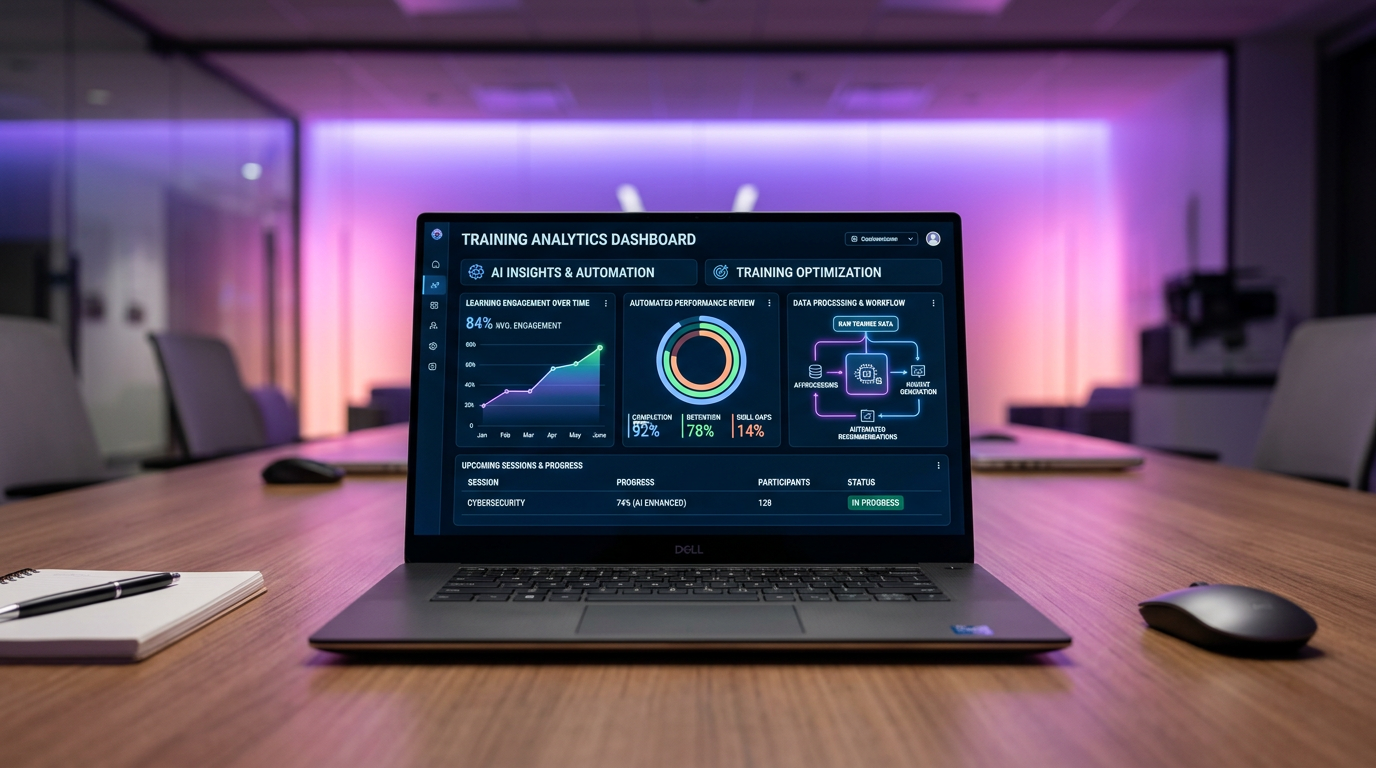
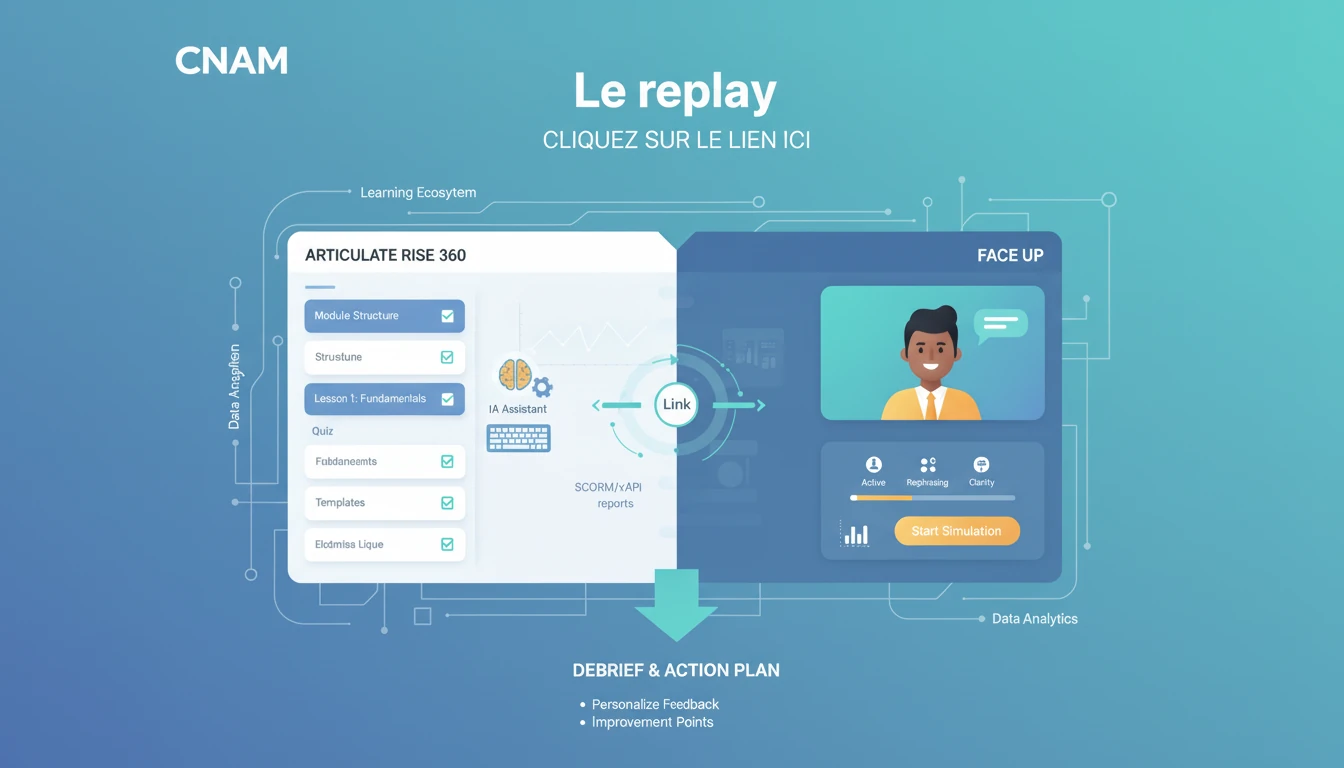
Conversational learning platforms suit the sector's constraints particularly well: each agent can practise in the time available to them — a break, a gap between shifts — without needing a trainer present. Face Up supports this kind of flexible practice with passenger avatars calibrated on the standard situations of the job.
Supervisors and team leaders are central to embedding these skills. Collective debriefs after a difficult episode — a peak of disruption, a security incident — are valuable learning moments, provided they are structured: what worked, what could be improved, which reflexes were actually used.
Training supervisors to run those operational debriefs multiplies the impact of the initial training. Every disruption becomes an opportunity for collective learning rather than an inconvenience to be forgotten.
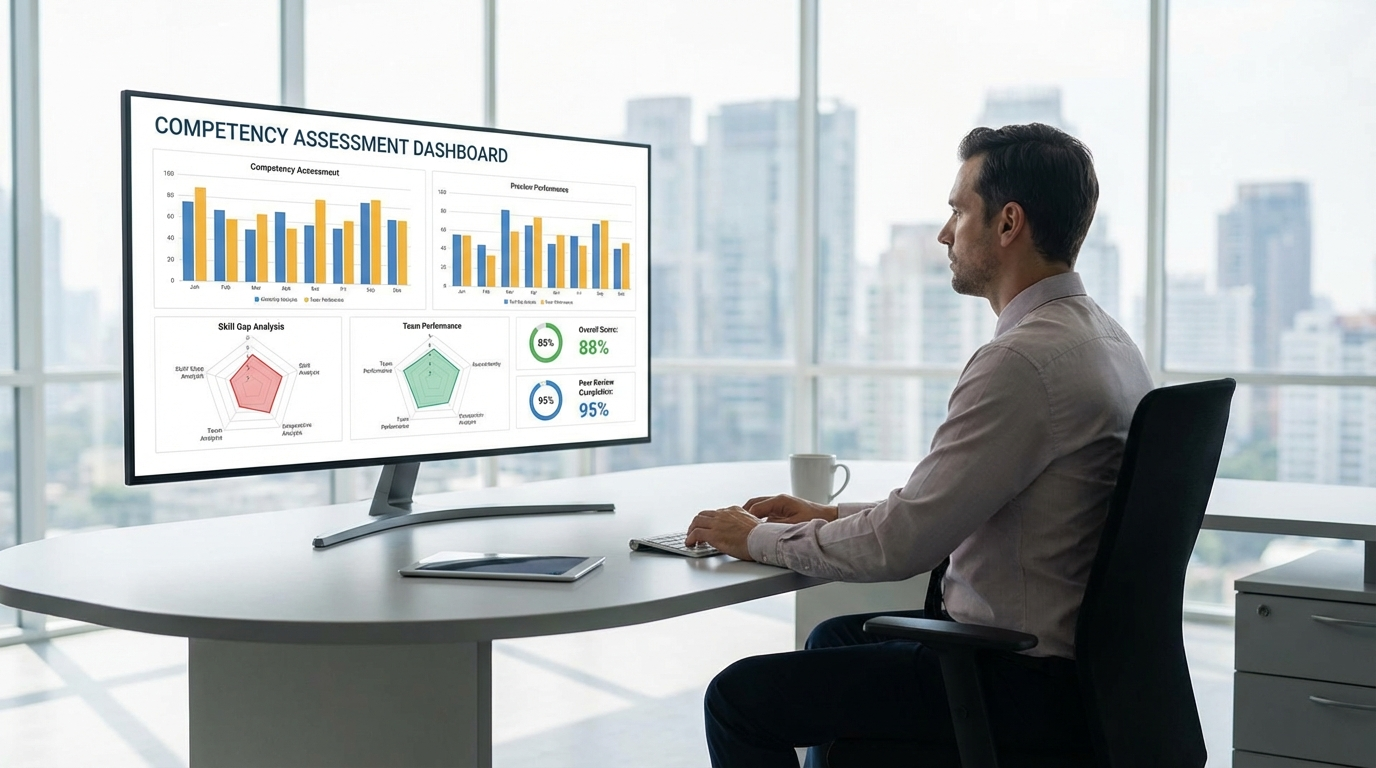
Transport has unusually well-structured service quality indicators: passenger satisfaction scores (mystery shopping, NPS), complaint rates, escalated incidents, and compliance with service level commitments. Soft skills training moves these indicators directly.
One rail operator that trained its reception agents in interpersonal skills recorded clear gains within six months: higher satisfaction during disruption, fewer written complaints and a stronger mystery shopper score. The return on investment was all the more significant because satisfaction during disruption is the best predictor of season ticket renewal.
One benefit is often underestimated: agents trained in interpersonal skills report significantly lower work-related stress. Having concrete tools for handling difficult situations reduces the sense of powerlessness and builds confidence. Turnover falls in trained teams — an HR indicator with real economic value in a sector where recruitment is expensive.
Transport is a high-potential market for soft skills training, with specific needs that call for dedicated programmes. Training providers that understand the sector's realities — managing uncertainty, a highly varied public, antisocial behaviour, operational constraints — and offer formats that fit — short sessions, spaced digital practice, field-based scenarios — position themselves as strategic partners to operators.
To extend your sector expertise, see how to train retail teams in interpersonal skills, another sector where the quality of the human interaction makes all the difference.