
Every salesperson knows the classic techniques: needs discovery, objection handling, closing. And yet, with the same method in hand, the performance gap between individual salespeople remains enormous. The variable that explains it? Soft skills.
The evidence points the same way: the salespeople who excel are not the ones who know the most techniques, but the ones who can build a genuine connection with prospects and customers. Empathy, active listening, the ability to read non-verbal signals and emotional intelligence are the real drivers of sales performance.
With buyers better informed, more demanding and far less receptive to scripted approaches than they used to be, relational skill has become the main competitive advantage a sales force has. Training your salespeople in soft skills means investing in what actually makes the difference in the field.
A salesperson who talks more than they listen misses what matters. Active listening goes well beyond polite silence: it is the ability to pick up a customer's explicit and implicit needs, to paraphrase in order to check understanding, and to ask the questions that move the thinking forward.
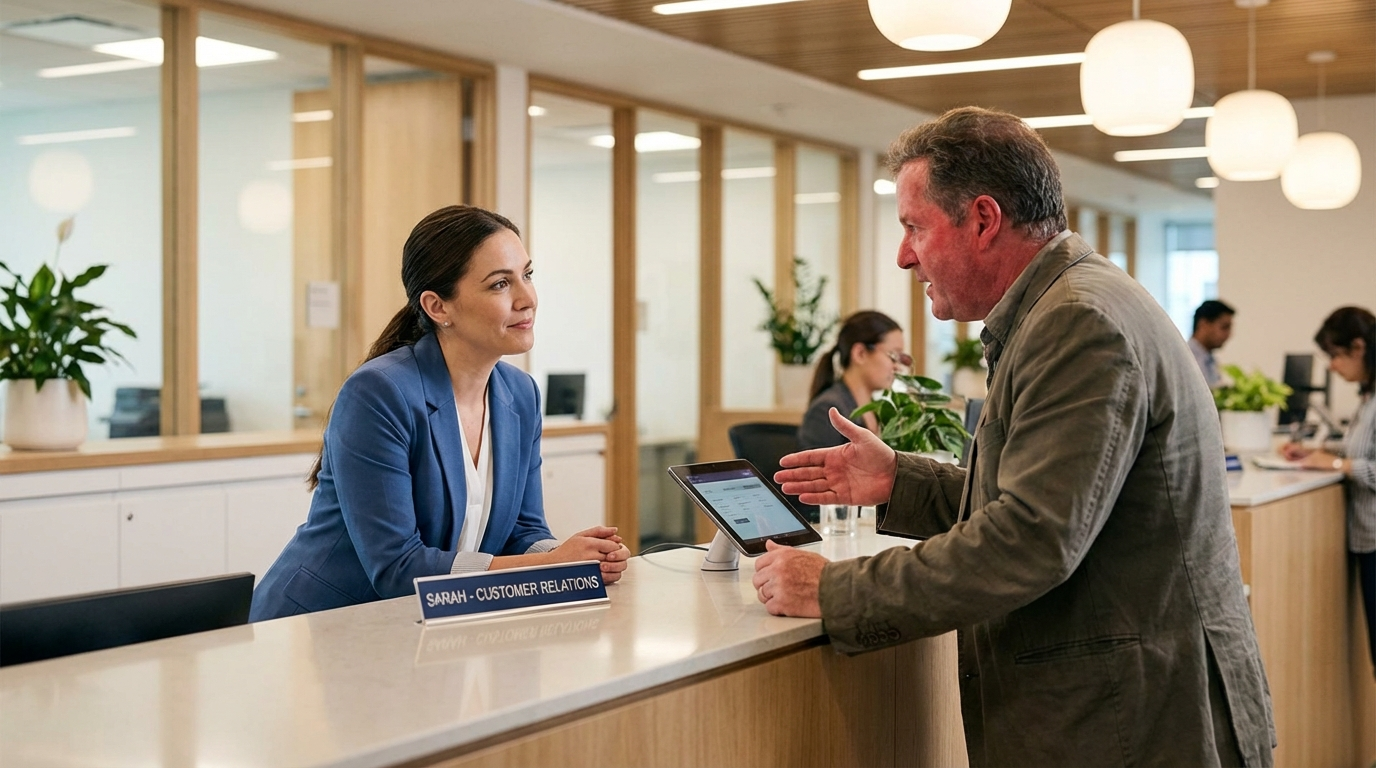
Commercial empathy is the ability to genuinely put yourself in the customer's position — to understand their constraints, their priorities and their concerns. Empathetic salespeople do not sell a product; they bring a solution to a problem they have taken the time to understand. That approach consistently outperforms classic transactional selling on closing rates.
A salesperson's interpersonal communication operates on several levels at once: verbal, para-verbal and non-verbal. Choice of words, pace of speech, tone of voice, posture, eye contact — each dimension shapes how the customer perceives them and how much trust they extend.
Training salespeople in communication means helping them become aware of these dimensions, identify their strengths and blind spots, and develop a more congruent and impactful style. A salesperson whose words, tone and body language are aligned inspires trust naturally.
Selling is an emotional journey, for the customer and the salesperson alike. Rejections, objections, tense negotiations, deals that drag on — all of it generates stress and emotion that, handled badly, undermines the commercial relationship.
A salesperson with strong emotional intelligence can recognise their own emotional reactions, regulate them, and stay focused on the customer even in difficult moments. They also read the other person's emotions and adapt accordingly. This skill matters most in objection handling and in the negotiation phase.
Sales is one of the professions most exposed to rejection. A salesperson absorbs dozens of no's for every yes. Without resilience, that reality erodes motivation and performance quickly.
Training salespeople in resilience means teaching them to separate professional rejection from personal rejection, to take something useful from every interaction, and to sustain their energy and enthusiasm over time. Resilient sales teams hold their performance even through difficult periods.
Every customer is different. An analytical prospect is not convinced the same way as an emotionally driven one. A decision-maker in a hurry has different expectations from a methodical buyer. Strong salespeople identify the profile in front of them quickly and adjust their communication style.
This relational flexibility — sometimes called situational intelligence — makes it possible to build rapport with very different personalities. It draws on models such as DISC, MBTI or social styles, but it is not reducible to a theoretical grid: it takes regular practice to become instinctive.
Traditional negotiation pits two parties against each other, each trying to maximise their own gain. Collaborative negotiation instead sets out to create value for both sides by exploring the real interests behind the stated positions.
Salespeople trained in collaborative negotiation reach more durable agreements, generate fewer post-sale disputes, and build customer relationships that turn into long-term partnerships. The skill combines active listening, creativity and the ability to reframe a problem from a new angle.
Sales soft skills are not acquired in a lecture room. A salesperson can understand the principles of active listening perfectly well in theory and still interrupt customers the very next day. The gap between knowing and doing is the central challenge of sales training.
The most effective training methods for sales teams put practice at the centre of the pedagogy. They create realistic situations where the salesperson has to use their relational skills under pressure, receive immediate feedback, and go again until the right behaviours become automatic.
Role-play and practice scenarios remain the most effective way to develop sales soft skills. By simulating a customer meeting, a discovery phase, an objection or a pricing negotiation, the salesperson practises in conditions close to the real thing.
To work, these scenarios need to be built on realistic situations drawn from the participants' own market, facilitated by a trainer who observes and debriefs every interaction, and repeated often enough to produce visible progress. The quality of the debrief matters as much as the exercise itself: it is in analysing what actually happened that a salesperson becomes aware of their reflexes and sees where to improve.
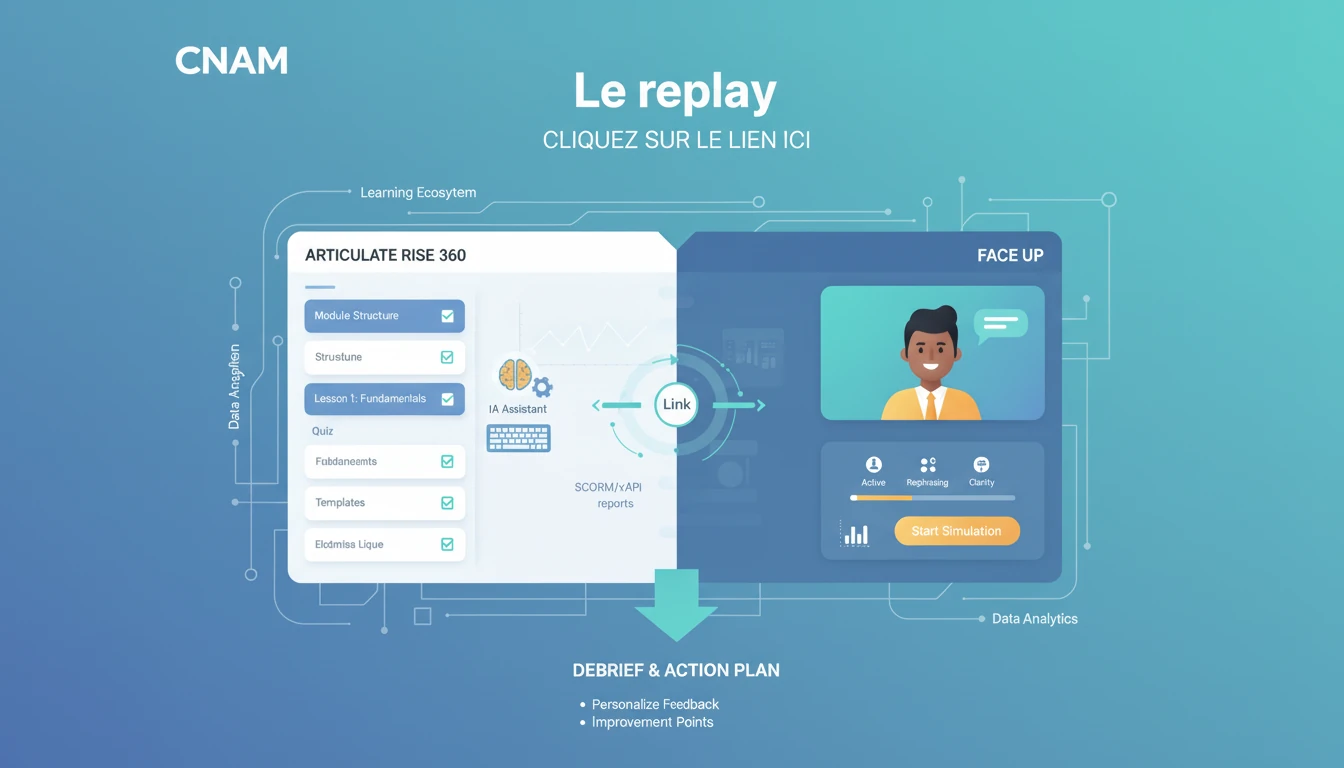
AI simulators change what sales training can be, allowing intensive, personalised practice available at any hour. A salesperson can rehearse against an avatar playing a demanding prospect, an undecided buyer or an unhappy customer.
The major advantage is being able to repeat a scenario as often as needed, vary the personality profile of the person opposite, and receive detailed analytical feedback on the content of the exchange, the tone used and the non-verbal signals. This is particularly valuable for geographically dispersed sales forces, which cannot always get to in-person training.
Individual sales coaching complements training by supporting the salesperson in their day-to-day work. The coach — often the sales manager — observes real customer interactions, identifies areas to improve and suggests concrete adjustments.
Peer mentoring, with a senior salesperson supporting a junior colleague, is equally effective. It transfers the tacit know-how that manuals never capture: reading buying signals, sensing when to push and when to let go, managing the rhythm of a meeting.
B2B salespeople work with long sales cycles involving several stakeholders with very different profiles. Their priority soft skills are navigating complex organisations, building trust over time and running multi-party negotiations.
Their training should include complex sales scenarios with several decision-makers, stakeholder mapping exercises and simulated presentations to a buying committee.
Selling remotely adds a layer of difficulty: without physical presence there are fewer non-verbal signals to read, which makes verbal and para-verbal communication even more critical. Inside sales teams have to master the art of building rapport by phone or video call.
Training for this profile includes voice pitch exercises, simulated video meetings and detailed work on verbal and non-verbal communication in a digital setting.
In store, interactions are short and the salesperson has to build rapport fast. The priority soft skills are the welcome, the ability to identify a need in a handful of questions, and customer relationship management in a high-footfall environment.
Training for frontline and customer service teams covers fast-sale scenarios, queue management and handling complaints face to face.
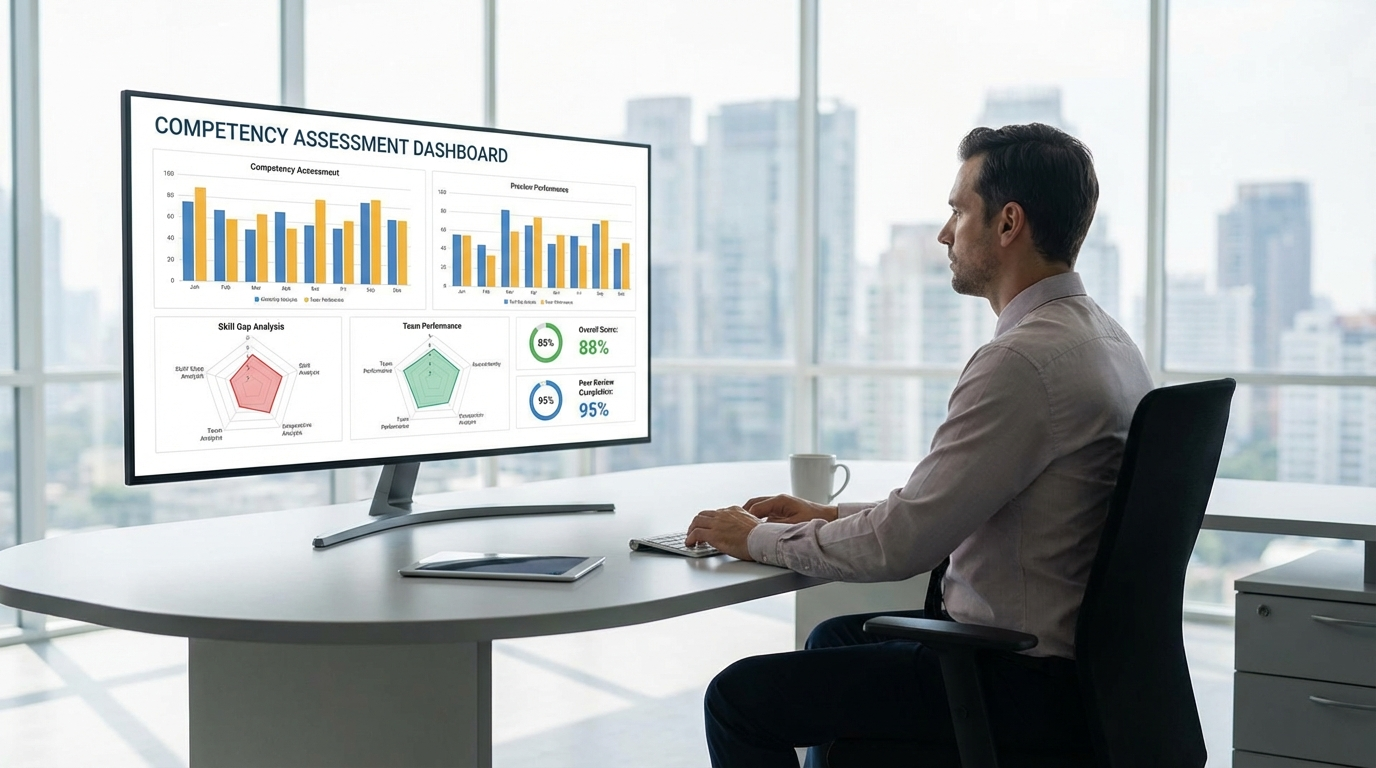
The impact of soft skills training on sales performance shows up in several indicators: conversion rate, average deal size, sales cycle length, customer retention and revenue per salesperson. For a complete methodology, see our guide to calculating the ROI of soft skills training.
Organisations that invest in developing sales soft skills typically report better closing rates and a marked improvement in customer satisfaction.
Beyond the numbers, the qualitative effects matter just as much: better-quality commercial conversations, sharper understanding of customer needs, fewer post-sale disputes, and a sales culture that is more collaborative and less aggressive.
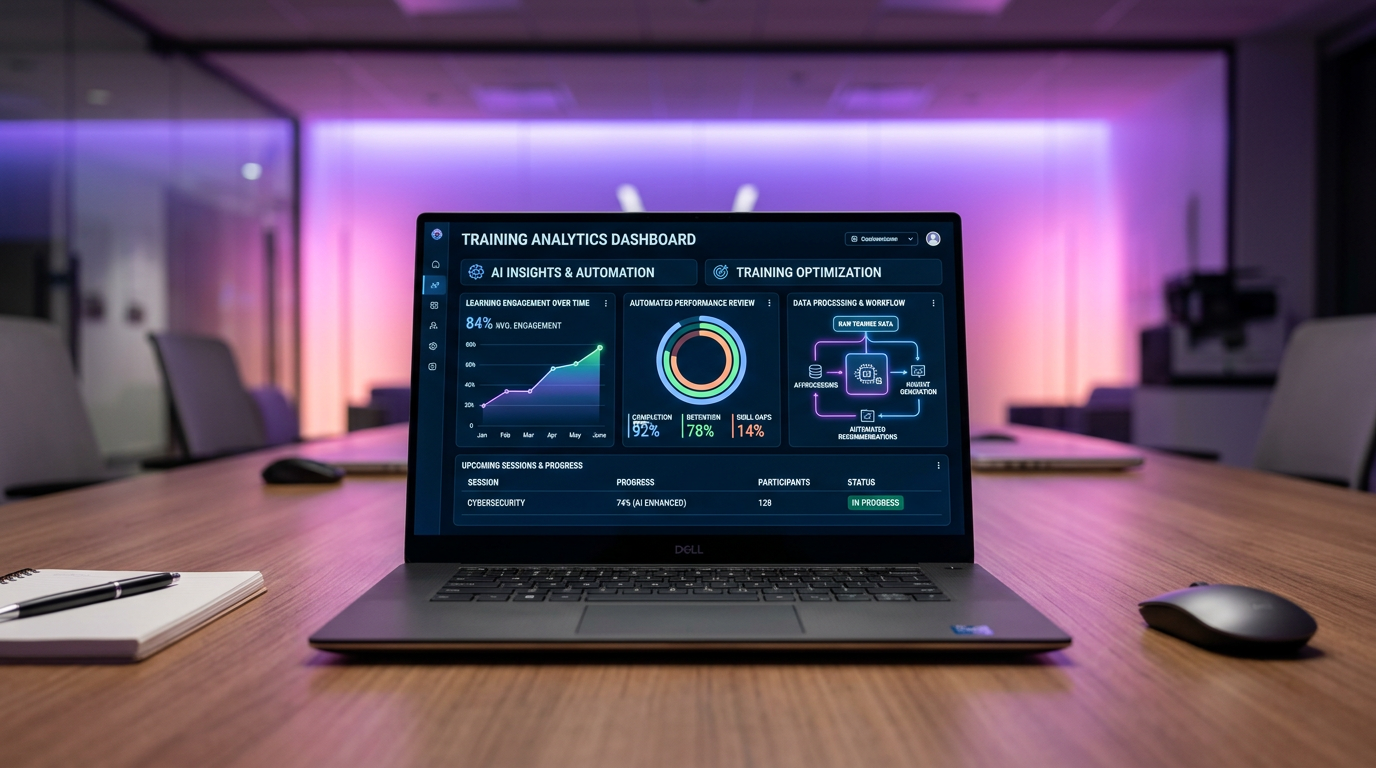
Soft skills assessment tools track each salesperson's individual progress and identify the skills that need further reinforcement.
A soft skills programme for a sales force is not a one-off event. The most effective programmes follow a logic of continuous development, combining intensive in-person practice sessions, regular digital training between them, individual coaching from the sales manager, and team rituals built around sharing what works.
The choice between in-person and remote delivery depends on the size and geographic spread of the sales force. For large sales teams, a large-scale rollout combining digital tools for individual practice with in-person group sessions offers the best balance of impact and cost.
What matters most is sustaining the momentum. Relational skills develop through regular practice, not through one-off courses. Organisations that have built soft skills practice into their salespeople's daily routine see lasting performance gains and a significant reduction in sales turnover.
For an overview of all the available approaches, read our complete guide to soft skills training.