
A customer walks into a shop. Within ten seconds, they have already decided whether to ask for help or carry on alone. That decision has nothing to do with the product on the shelf and everything to do with the posture, eye contact and attitude of the assistant greeting them. In retail, behavioural skills are not a bonus — they are the job. Retailers that invest in soft skills training for their shop-floor teams see measurable results: higher average basket value, better NPS, lower turnover. This article sets out the key skills to develop in store sales staff, the training formats that suit retail conditions, and the indicators that measure impact.
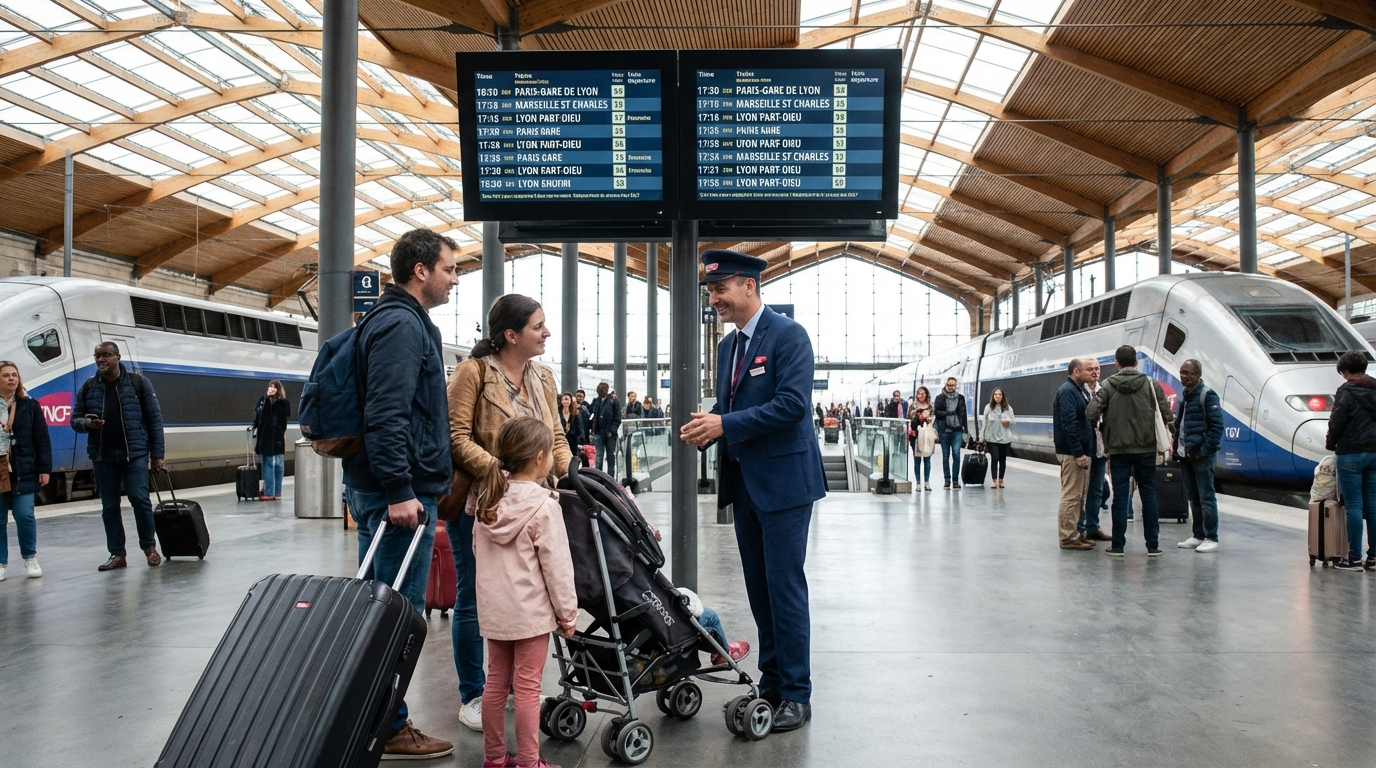
Physical retail has one advantage e-commerce cannot replicate: human interaction. But that advantage only materialises if sales staff have mastered the codes of the relationship. Harvard Business Review research shows that the quality of the customer experience is a determining factor in purchase decisions for a large majority of consumers. In store, that experience rests almost entirely on the relational skills of the sales team.
A badly received customer does not always complain. They leave, and they do not come back. Salesforce research indicates that most customers will switch to a competitor after a single poor experience. Given that acquiring a new customer costs several times more than retaining an existing one, every missed interaction has a direct financial impact. Training sales assistants in behavioural skills is not a cost line, it is an investment with a measurable return.
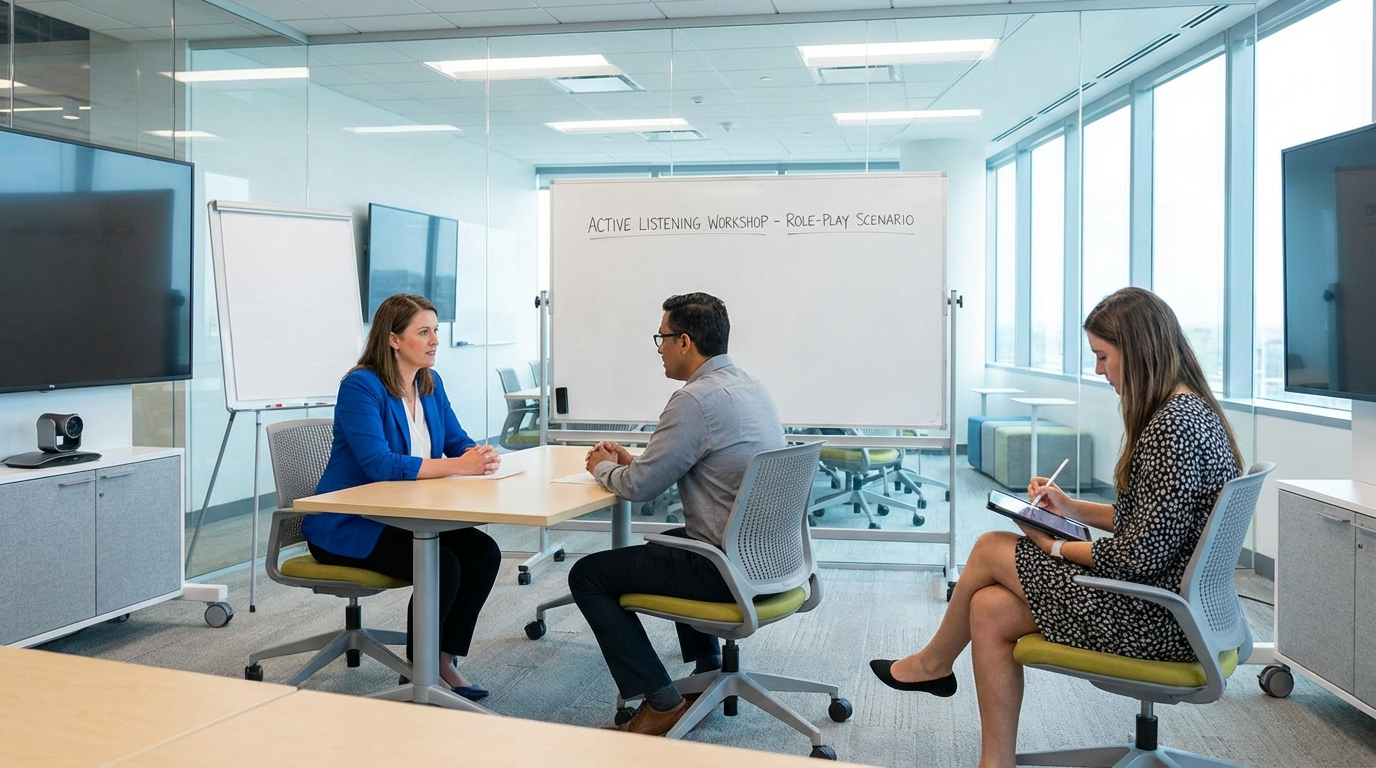
The first reflex of an untrained assistant is to present the product. The first reflex of a trained assistant is to listen. Active listening means asking open questions, reformulating stated needs and picking up on the ones left unsaid. An assistant who has mastered this identifies the right product faster, reduces returns and increases satisfaction. Structured discovery frameworks — mapping a customer's motivations around security, status, novelty, comfort, price and rapport — help make that conversation feel natural rather than scripted.
"It's too expensive", "I'll think about it", "I can find it cheaper online". These objections come up every day on the shop floor. Assistants who cannot handle them lose sales. Those who handle them clumsily create friction. Sales negotiation training teaches staff to treat an objection as an opening for dialogue, to reframe it positively and to offer alternatives without applying pressure. Teams trained in this skill consistently report stronger closing rates.
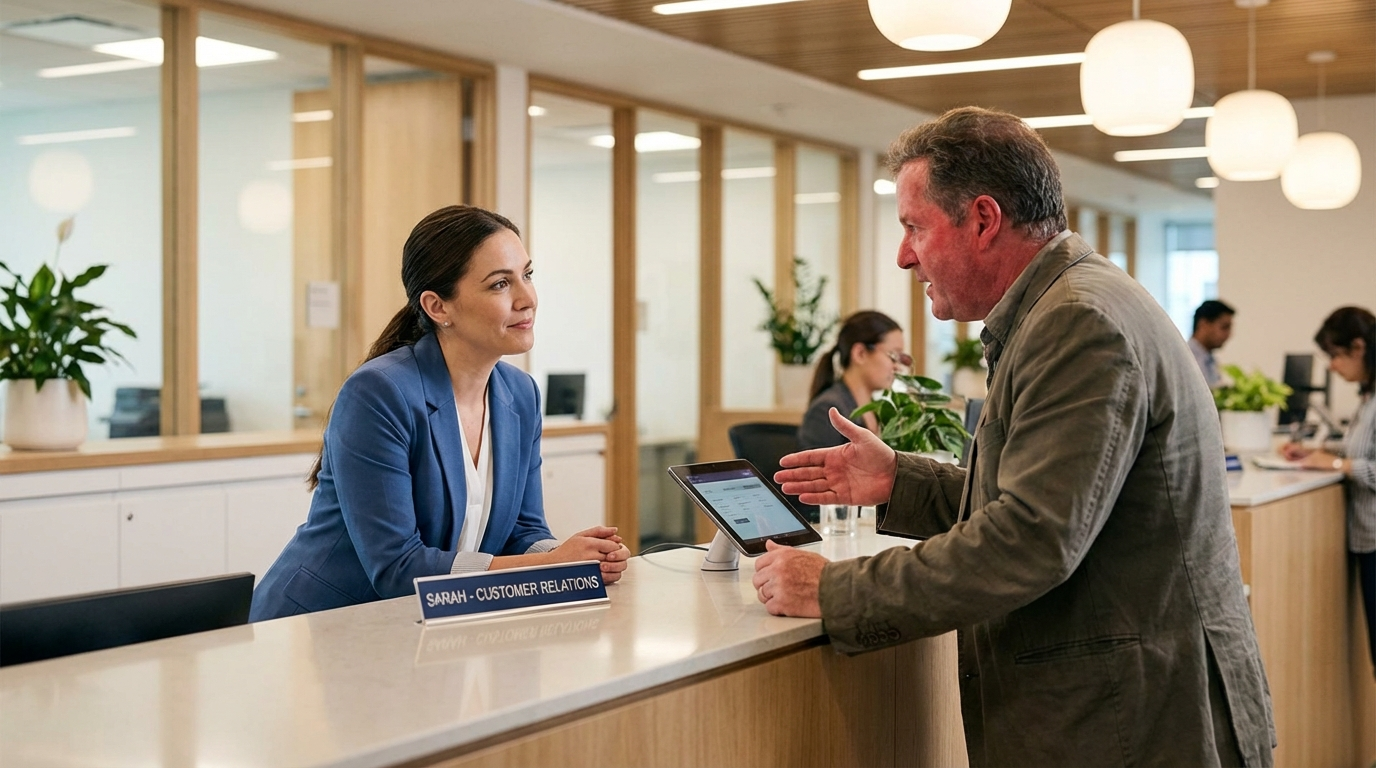
Complaints, unhappy customers, queues at the till — retail is an environment where emotions travel fast. Emotional intelligence allows staff to stay calm, empathetic and professional even under pressure. It reduces conflict, improves complaint resolution and protects the wellbeing of the team. Retailers that train their staff in emotional regulation see noticeably fewer escalations at the point of sale.
Retail faces a structural challenge: high staff turnover and teams working fragmented shift patterns. Two-day classroom sessions are expensive and logistically awkward when dozens of assistants spread across multiple stores need training. The answer lies in formats that are short, accessible and repeatable.
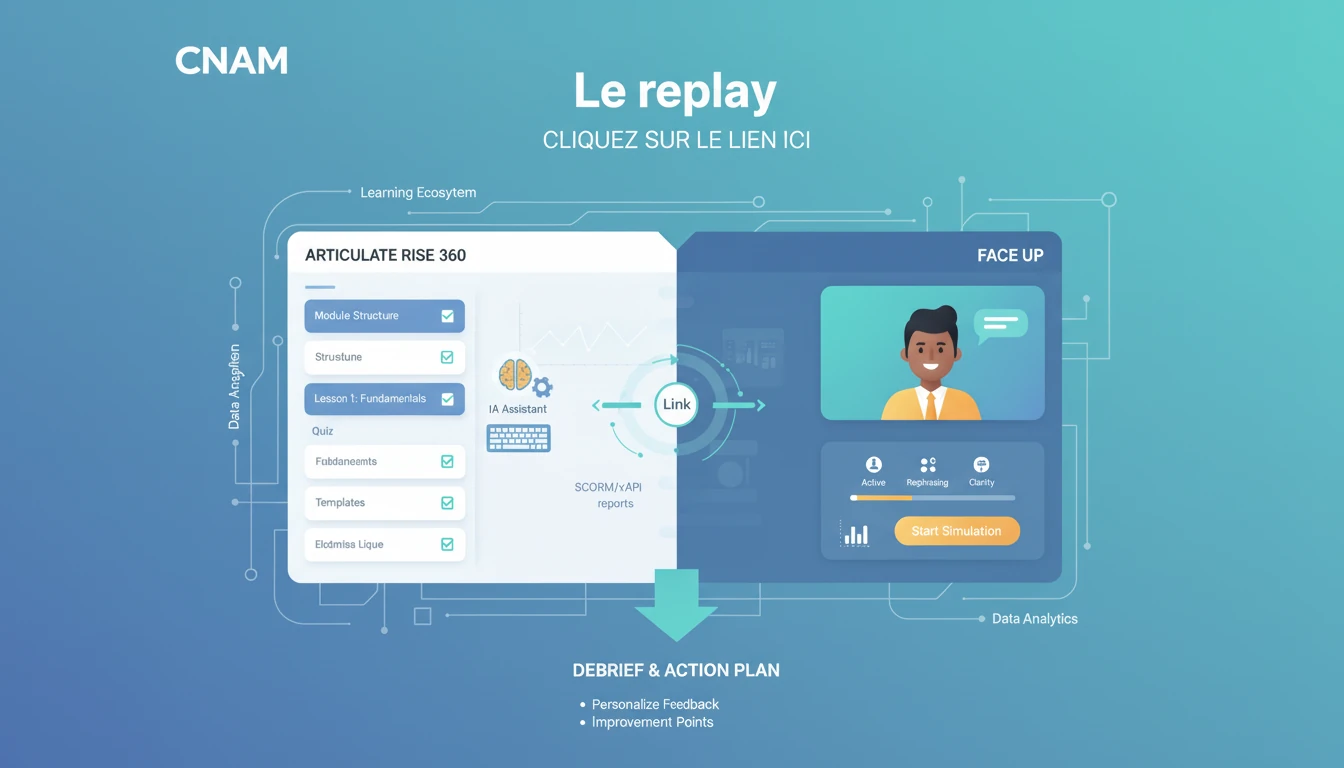
In retail, theory without practice produces nothing. Assistants need to practise in realistic scenarios: greeting a customer in a hurry, handling a product complaint, suggesting an add-on without being intrusive. Role play and simulation build the behavioural reflexes that transfer directly to the shop floor. Conversational learning platforms such as Face Up make it possible to scale those scenarios across a whole estate, with situations tailored to each brand and customer profile.
Sessions of five to ten minutes, available on mobile between customers or during a break, fit the reality of retail far better than full training days. Micro-learning lets staff work on one precise skill at a time — handling a price objection, serving an international customer, suggesting a complementary product — in a targeted, regular way. That regularity is the point: learning science consistently shows that spaced repetition embeds skills far more effectively than a one-off course.
One fashion retailer trained 120 sales assistants to personalise the way they open a conversation. Instead of the automatic "Hello, can I help you?", staff learned to adapt their approach to the customer's non-verbal signals: a gaze fixed on a particular rail, hesitation between two products, arriving with a competitor's bag in hand. Conversion and post-visit satisfaction both improved measurably within the first season.
Retail recruits heavily around peak trading periods. Temporary staff have neither the experience nor the reflexes of permanent teams. An accelerated soft skills programme — focused on the welcome, fast needs discovery and managing footfall — cuts onboarding time sharply and brings seasonal recruits to a comparable standard of service in weeks rather than months.
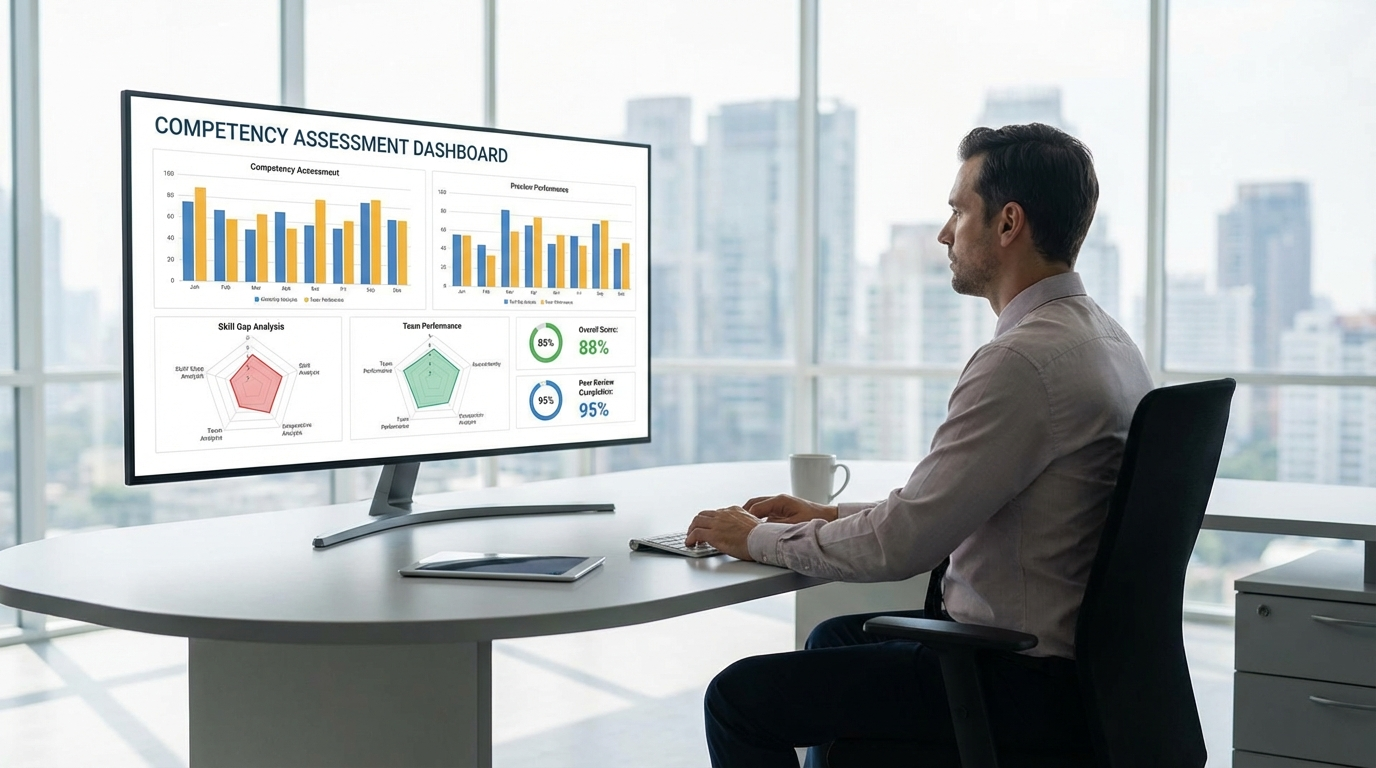
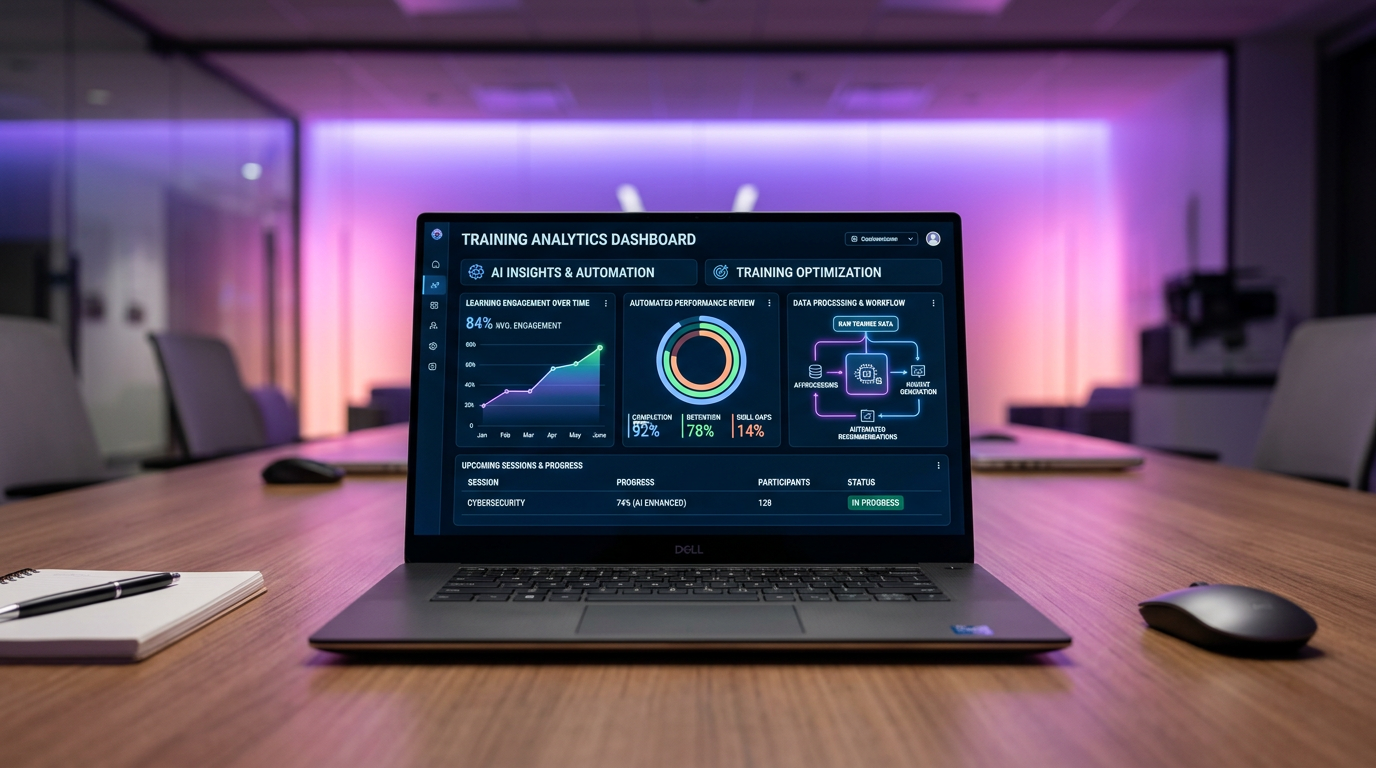
Retail has one clear advantage when it comes to measuring the return on investment of training: transactional data is available in real time. The key indicators to track are conversion rate (visitors to buyers), average basket value, attachment rate on cross-sell and upsell, and the product return rate. Comparing those metrics before and after training in the same store gives a direct read on impact.
Beyond sales, soft skills drive loyalty. Net Promoter Score, Google reviews, post-visit satisfaction surveys and the share of returning customers are useful complementary measures. Retailers that train their teams systematically in relational skills tend to see their NPS climb steadily over the following months.
An effective programme starts by identifying the critical situations specific to the brand. What are the moments of truth in the in-store customer journey? Which objections come up most often? Which customer profiles cause the most difficulty? That mapping exercise determines which skills to prioritise and which training scenarios are worth building. Specialist training providers can support this diagnostic and design phase.
Training does not end when the module does. The store manager is essential to embedding the skills: observing in real situations, giving immediate feedback, coaching in the moment. Training managers in soft skills is therefore a prerequisite for sales training to produce lasting results. A manager who knows how to observe, debrief and encourage multiplies the value of every hour of training invested.
In retail, soft skills are the primary lever of commercial performance. Active listening, objection handling, emotional intelligence, a personalised welcome — these are what separate a shop that sells products from a shop that creates loyal customers. Training formats built for the shop floor — micro-learning, practice scenarios, conversational learning — make it possible to train at scale without disrupting trading. The challenge for training providers is to design programmes that speak the language of retail and deliver measurable results within the first few weeks.