
Training teams for customer conversations has always run into the same problem: how do you create situations realistic enough to build genuine reflexes, without tying up trainers indefinitely or exposing real customers to people who are still learning?
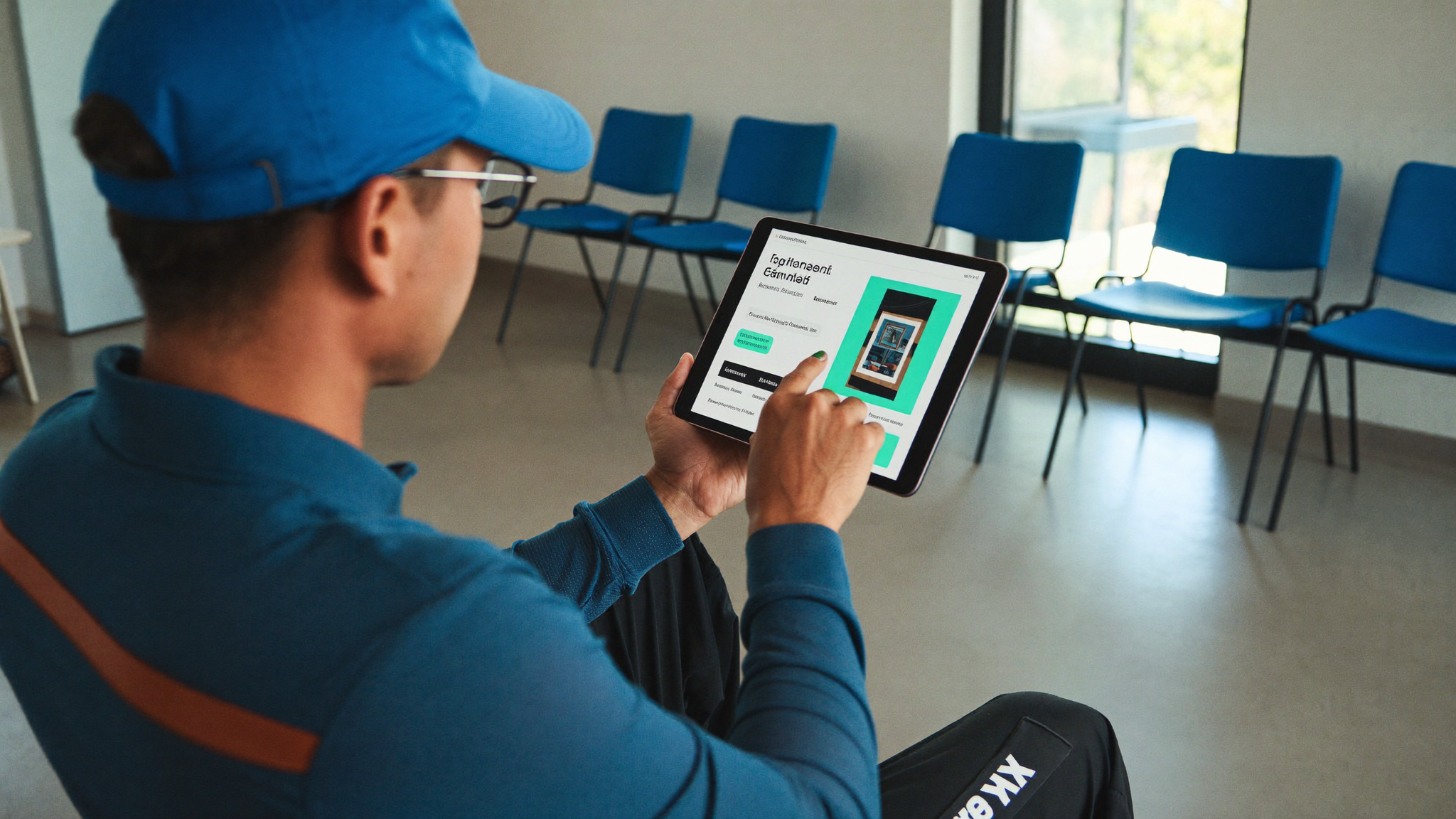
Interview simulators built around AI avatars offer a practical answer. Instead of reading scripts or watching videos, the learner interacts with a virtual character who has a personality, objectives and calibrated reactions. The conversation unfolds in real time, with the hesitations, objections and sudden turns you meet on the job.
The outcome is practice that develops measurable interpersonal skills, can be repeated indefinitely and is available at any time.
An AI interview simulator runs on a language model capable of understanding the learner's replies and generating coherent responses. Unlike a simple chatbot, though, the engine is driven by a teaching scenario that sets the context, the virtual counterpart's objectives and the points of tension to explore.
At Face Up, every scenario is built from real case studies, turned into interactive role plays. The trainer defines the avatar's personality — an unhappy customer, a hesitant prospect, a stressed passenger — along with their expectations and the criteria for a successful exchange.
The avatar is not simply an animated face. It is a complete character with facial expressions, a tone of voice and emotional reactions that adjust in real time to what the learner says. If the employee turns aggressive, the avatar closes up. If they show active listening and empathy, the avatar gradually opens up.
This multimodal dimension — substance and delivery together — is essential. In a real situation, a customer does not react only to the words spoken, but to tone, pace and body language. The avatar reproduces that complexity so that practice builds the right reflexes.
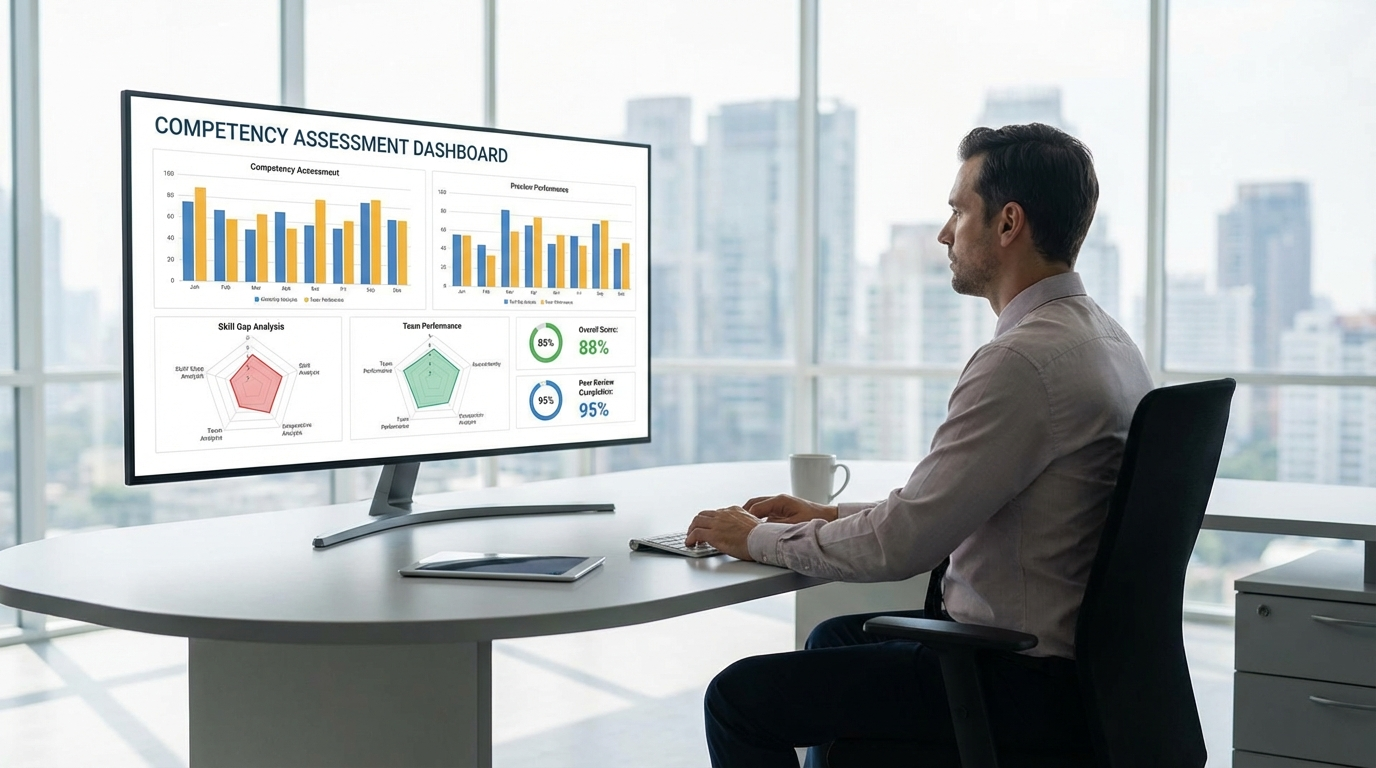
Every session generates a detailed debrief. The AI analyses the content of the exchange — arguments used, questions asked, information given — as well as the delivery: tone of voice, handling of silences, posture on camera. Trainers get a full replay with timestamps so they can target the exact moments worth working on.
Peer role plays remain a valid teaching tool. But they carry structural limits that a simulator removes.
Availability. A role play needs at least two people free at the same moment. The simulator is available around the clock, from any connected device.
Repeatability. No two human role plays are ever identical, which makes progress hard to measure. A simulator can replay exactly the same scenario to track how a learner develops over time.
Psychological safety. Many people dread role-playing in front of colleagues. The simulator offers a confidential space to practise, without judgement, where mistakes are simply part of learning.
Scale. Training 500 advisers through role play requires an army of trainers. A simulator supports large-scale deployment without multiplying headcount.
Objective feedback. Human feedback is subjective and varies from one assessor to the next. AI analysis provides consistent indicators, session after session.
An AI interview simulator should not be confused with a general-purpose chatbot dressed up in a conversational interface. The difference is structural.
A chatbot generates text replies with no teaching scenario, no consistent personality and no performance analysis. It responds, but it does not train.
A simulator like Face Up builds in a complete teaching framework: a scenario designed by a trainer, an avatar with a defined personality, multimodal analysis (content, tone and body language), an actionable debrief and progression tracking. That is the difference between a conversation and a structured conversational learning exercise.
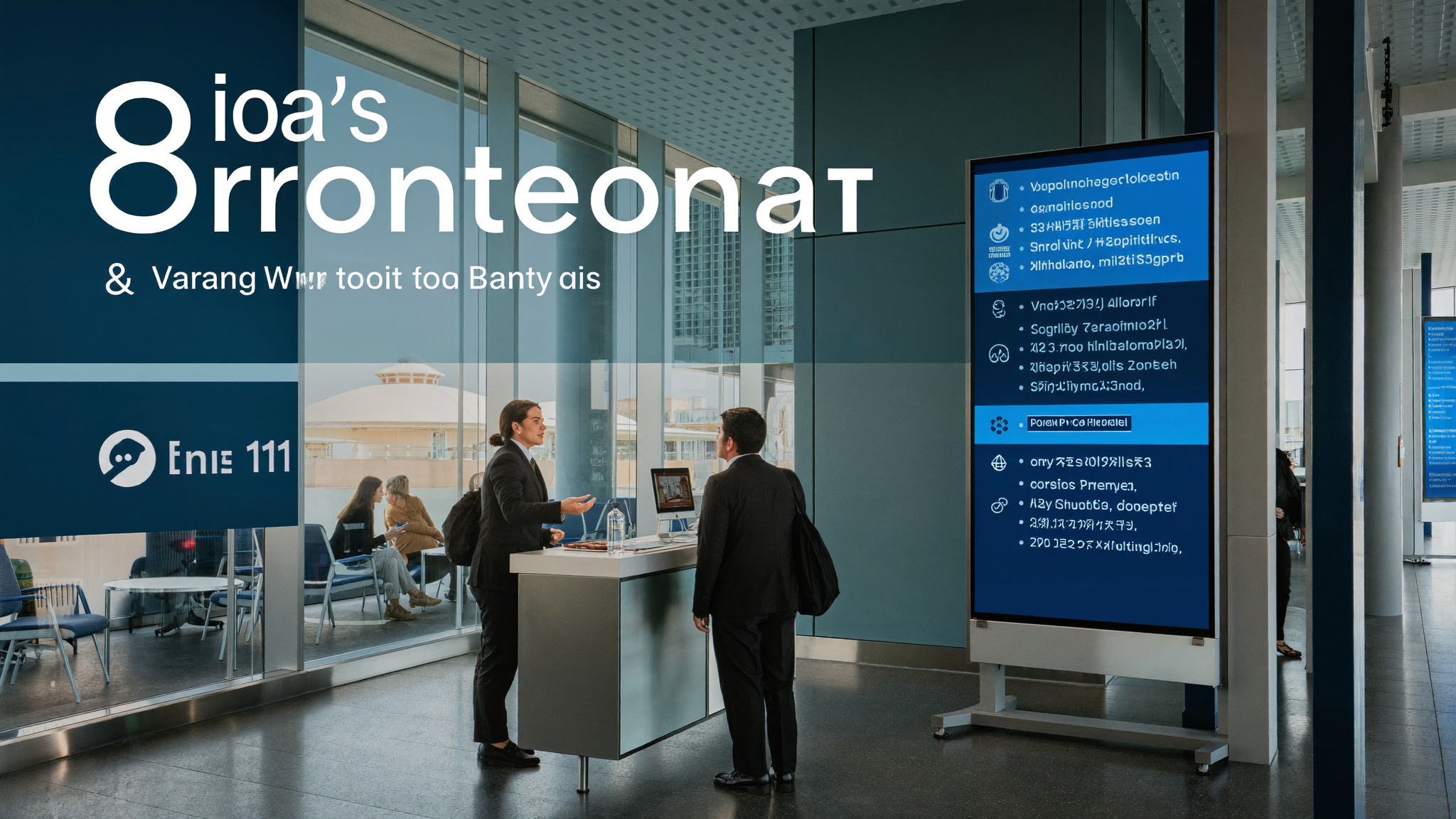
A front-line agent practises handling a passenger whose train has been cancelled. The avatar expresses frustration, asks about alternatives and tests the agent's ability to defuse the situation while offering concrete solutions. That is exactly the kind of scenario deployed in our transport case study.
A bank adviser practises a discovery conversation with an avatar prospect who is torn between several products. The exercise focuses on active listening, questioning and paraphrasing, while meeting regulatory obligations. The results are set out in our banking case study.
A sales assistant practises welcoming an undecided customer, identifying their needs and making a personalised recommendation. The avatar plays different customer profiles — in a hurry, talkative, demanding — to vary the practice. The results are in our retail case study.
An adviser practises handling a complex complaint while respecting the quality script and still personalising the exchange. The simulator assesses both adherence to process and the quality of the relationship.
The simulator does not replace the trainer. It moves them onto the work where they add most value.
Without a simulator, trainers spend a significant share of their time running role plays, often repetitive ones. With a simulator, they concentrate on designing scenarios, observing sessions live or on replay, and delivering individual debriefs.
This is the trainer-first approach at Face Up: the authoring tool lets trainers create their own scenarios from their own case studies, with no technical skills required. They keep full control of the teaching, with AI serving their training strategy rather than the other way round.
That philosophy fits a gradual approach to change management in which AI augments the trainer rather than bypassing them.
Not all simulators are equal. These are the criteria that actually separate them.
Scenario quality. Does the tool let you build structured teaching scenarios, or does it only offer free-form conversation with no frame?
Avatar realism. Are the facial expressions, tone of voice and emotional reactions credible? A static avatar does not build the same reflexes as an expressive character.
Multimodal analysis. Does the system analyse text alone, or does it also account for tone, pace, silences and posture? The most reliable assessment methods combine all of these.
Trainer control. Can trainers observe sessions live, access replays and customise the debrief criteria?
LMS integration. Does the simulator fit your existing infrastructure? LMS integration is a key criterion for a smooth rollout.
GDPR and AI Act compliance. Is the data hosted in Europe? Does the way it is used in training meet the regulatory framework?
Data collected from Face Up clients shows tangible results.
95% learner satisfaction — employees overwhelmingly prefer practising with an avatar to passive methods such as videos and quizzes.
50% reduction in onboarding time — new starters reach the expected level of competence twice as fast thanks to intensive practice.
20 to 45% improvement in closing rates — sales teams who train regularly with the simulator convert significantly better.
These results are documented in our sector case studies: transport, banking and retail.
Putting an AI interview simulator in place does not require a multi-month IT project. With Face Up, the rollout follows three steps.
Step 1: identify your priority cases. Which customer situations cause your teams the most difficulty? That is the starting point for selecting the first scenarios.
Step 2: build the scenarios. Working from your existing case studies, the trainer builds scenarios in the Face Up authoring tool. Avatar personality, context, objectives, success criteria — everything is configurable.
Step 3: deploy and measure. Scenarios are accessible through your LMS or directly on the Face Up platform. Analytics let you track individual and collective progress.
For pricing options, see our full pricing guide. And to understand how training of this kind can be paid for through training budgets and funding schemes, we have written a dedicated article.
Ready to try it? Request a personalised demo and see how the Face Up simulator can change the way your teams build skills.