
Soft skills are the behavioural, relational and emotional competencies that sit alongside technical ability. Where a hard skill answers can you operate the system, a soft skill answers can you hold the conversation that decides whether the deal closes, the complaint de-escalates, or the team stays.
Contrary to a stubborn myth, soft skills are not innate. They are learned, developed and refined across an entire career — provided you use methods that actually change behaviour rather than merely describe it. That is the whole subject of our complete guide to soft skills training.
The World Economic Forum now places soft skills at the centre of the competencies organisations will need. As automation and AI absorb more technical work, the human capabilities — empathy, judgement, adaptability — are what differentiate one professional from another.
To build a development programme you first need a taxonomy. The one below is pragmatic rather than academic, and it maps to how learning and development teams actually structure their catalogues.
Interpersonal communication is the foundation of every professional relationship. It covers four distinct abilities.
Active listening — listening without interrupting, reformulating, asking the right question. In a customer setting, active listening surfaces the real need behind the stated request. A bank adviser who listens actively works out that the client is not shopping for a loan but for financial security for their family.
Spoken expression — articulating ideas clearly, adapting register to the person in front of you, structuring an argument. A salesperson who has this skill shifts naturally between a CFO and a technical lead without rehearsing two different pitches.
Non-verbal communication — body language, eye contact, posture and tone. Mehrabian's work is routinely over-quoted, but the underlying point holds: in emotionally loaded exchanges, delivery carries far more of the message than the words do. Mastering verbal and non-verbal communication is decisive face to face.
Written communication — clear emails, synthesised information, structured reports. As distributed work becomes the norm, this skill carries more weight every year.
Emotional intelligence, the concept popularised by Daniel Goleman, breaks down into four competencies.
Self-awareness — identifying your own emotions, recognising your stress triggers, understanding the effect your mood has on others. A self-aware manager knows they turn curt under pressure, and builds a countermeasure into their week.
Self-regulation — controlling emotional reactions, staying level during conflict, managing frustration. This is the competency that decides whether someone can handle difficult customers without escalating.
Empathy — understanding another person's emotions and motivations. Professional empathy does not mean agreeing with everything; it means understanding the other side well enough to respond to what is actually driving them.
Social skill — reading group dynamics, defusing conflict, influencing without authority. These matter most for managers and leaders.
Critical thinking — analysing a situation with distance, questioning what looks obvious, forming a reasoned judgement. In an environment saturated with generated content, this has become a survival skill.
Problem solving — naming the problem, exploring options, deciding, acting. The best problem solvers combine logic with lateral thinking rather than choosing between them.
Creativity — proposing something other than the default. Creativity is not reserved for design roles: a creative service agent finds a route where a rigid one sees a dead end.
Decision making — weighing risk, committing under uncertainty. This one improves markedly with simulated practice, because the cost of a bad call is zero while the pattern recognition is real.
Time management — prioritising, planning, meeting commitments. An organised colleague frees up mental bandwidth for the work that actually moves the needle.
Adaptability — adjusting to change, learning quickly, recovering from failure. Resilience is adaptability under sustained pressure.
Initiative — anticipating needs, proposing improvements, acting without waiting to be told. This is the competency that separates engaged colleagues from executors.
Teamwork — contributing to a collective, respecting roles, sharing information. Team performance depends more on the quality of interactions than on the sum of individual talent.
Negotiation — finding workable outcomes, holding a position assertively, reconciling competing interests. High-performing sales professionals live in this skill.
Conflict management — defusing tension, mediating, turning disagreement into a decision. Handling conflict early is what prevents escalation and preserves working relationships.
Abstract lists persuade nobody. Here is what each family looks like in a real situation.
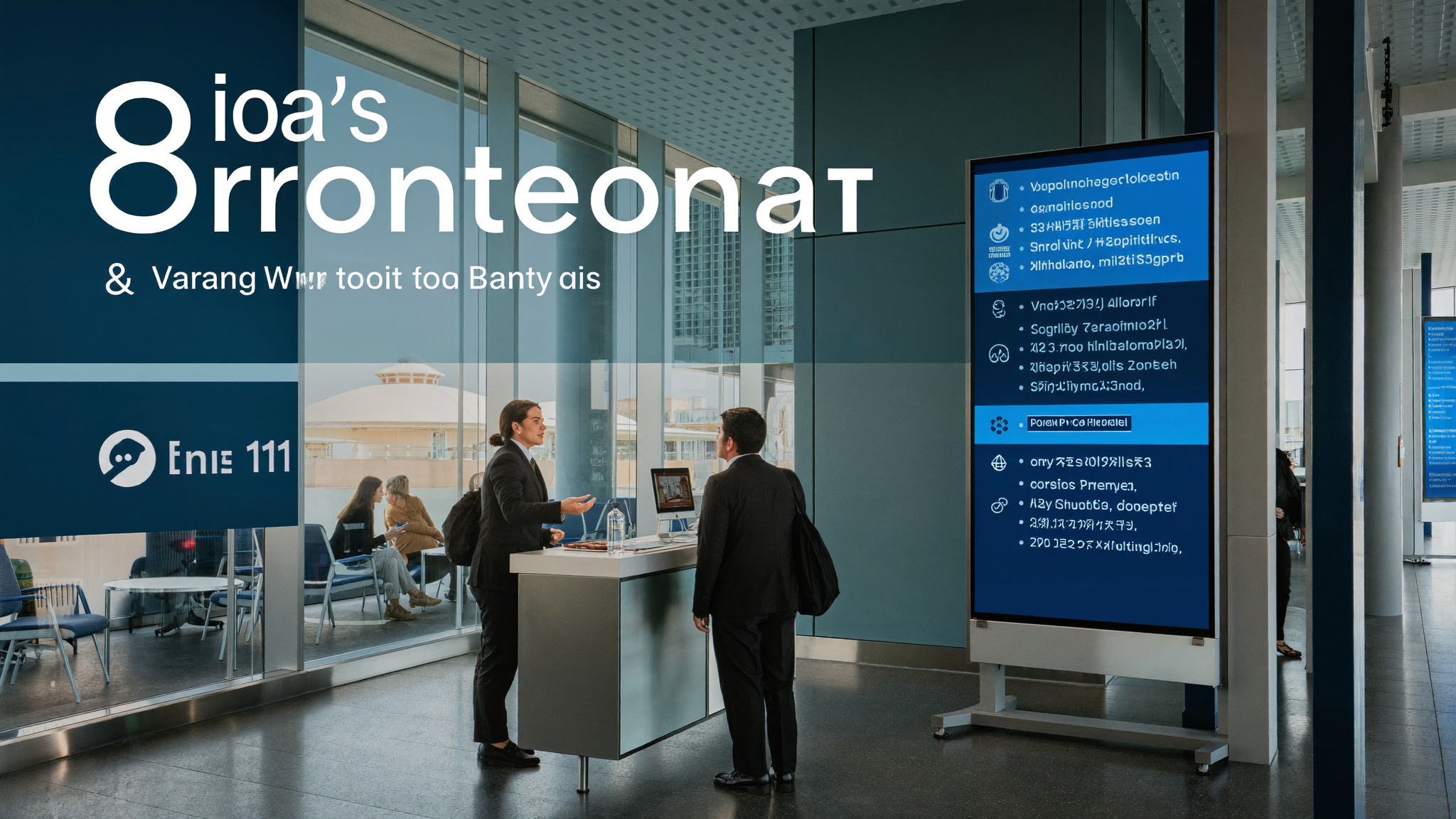
A passenger arrives furious at a station desk because their train has been cancelled. The agent with the right skills acknowledges the emotion (empathy), holds a calm and professional tone (self-regulation), offers concrete alternatives (problem solving) and makes sure the passenger leaves with a resolution rather than a brochure. This is precisely the kind of exchange that role play and simulation exist to rehearse.
A manager has to announce a reorganisation. The skills in play: transparency about what is known, empathy for the anxiety in the room, the ability to give direction despite uncertainty, and enough assertiveness to answer objections without either capitulating or hardening.
An adviser meets a couple hesitating over an investment. Instead of running the technical pitch, they listen actively to surface the real motivation — security, inheritance, retirement — adapt the conversation accordingly, and guide the decision rather than push it.
Development rests on one principle: deliberate practice. Reading a book about empathy does not make anyone empathetic. Rehearsing realistic situations, receiving precise feedback and iterating — that is what changes behaviour durably.
The most effective soft skills training methods combine four elements.
Contextualised theory — why a competency matters, where it applies, which traps to avoid. Necessary, and never sufficient on its own.
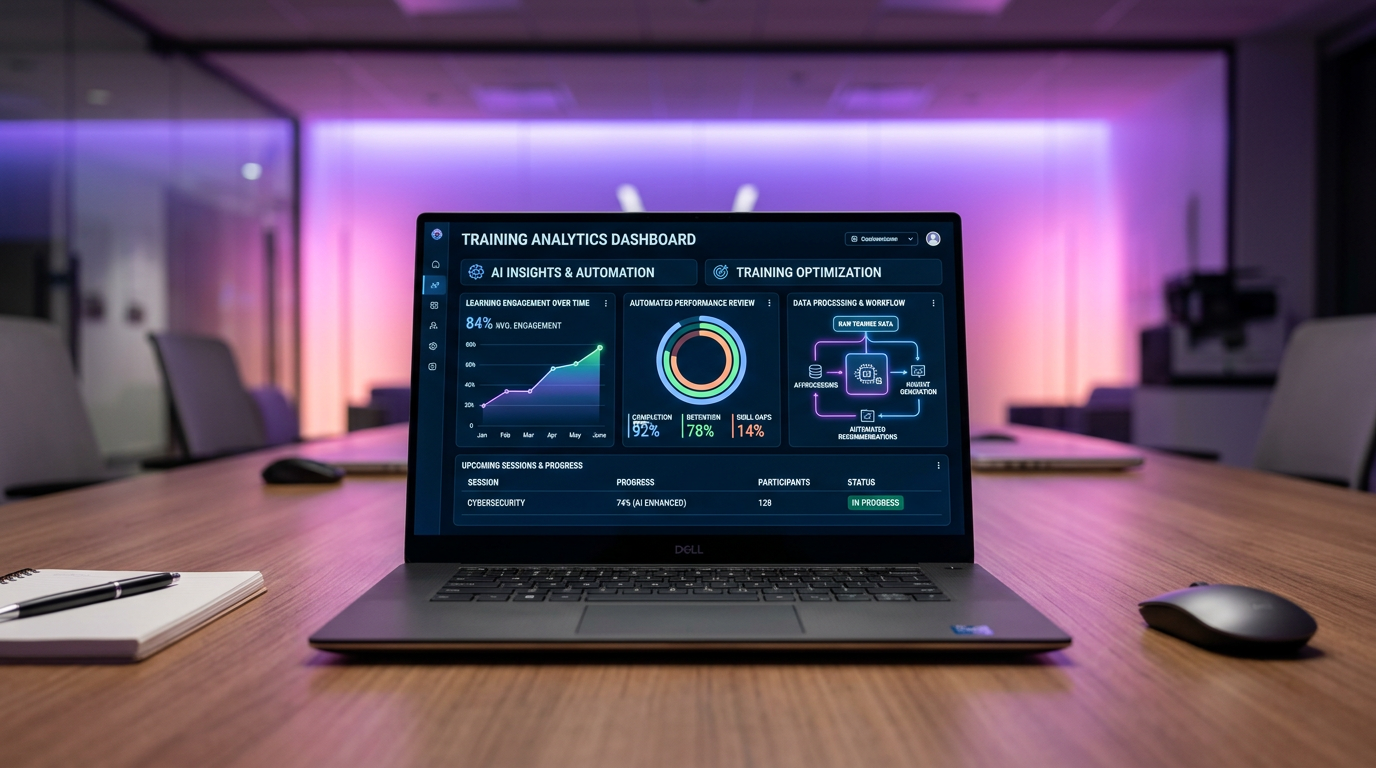
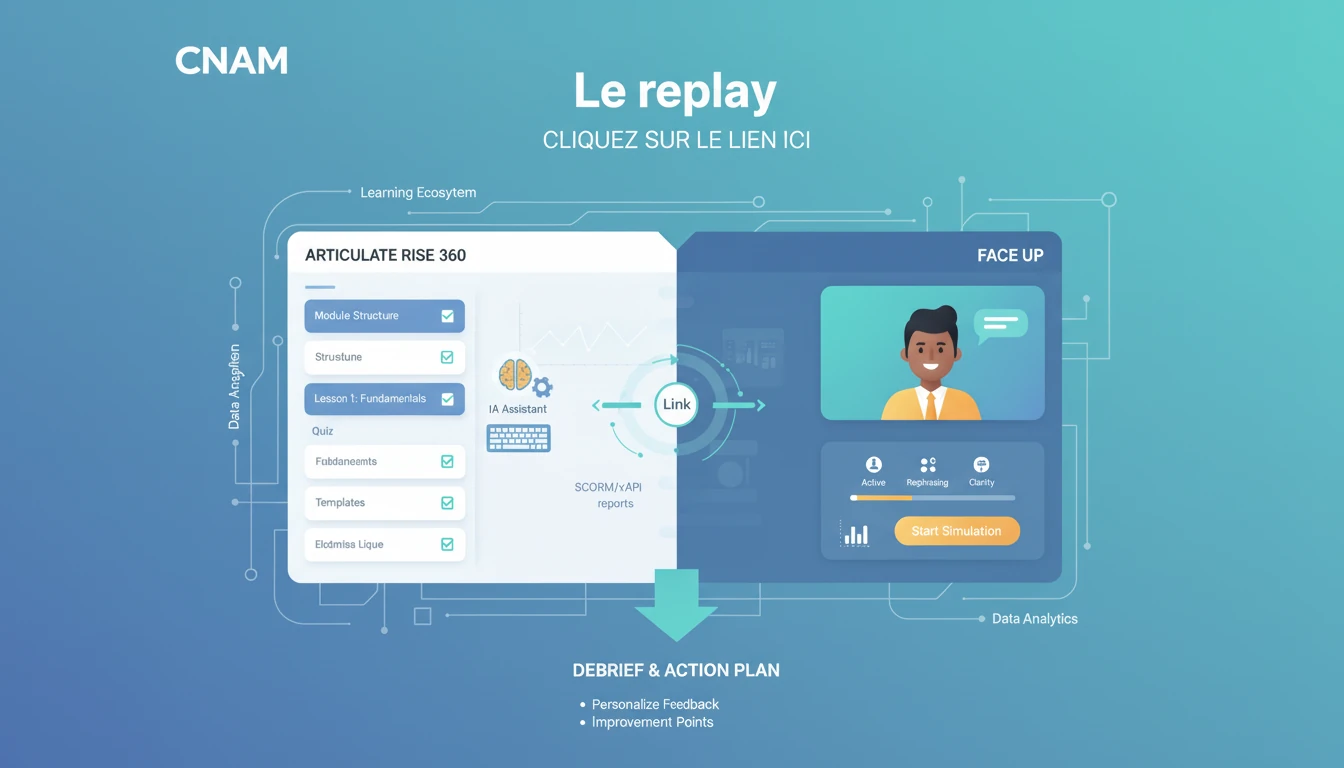
Repeated practice — AI-driven simulations, of the kind Face Up provides, let a learner rehearse indefinitely under conditions close to the real thing. They practise against a character who responds naturally, without the pressure of being watched by peers.
Structured feedback — precise, immediate and specific comment on what worked and what to change. Multimodal analysis, covering both substance and delivery, makes that feedback objective rather than impressionistic.
Spacing over time — soft skills do not develop in a day. An effective programme runs over several weeks, with regular practice and reinforcement sessions.
Adaptability — with transformation accelerating on several fronts at once, the ability to pivot quickly ranks first in most employer surveys.
Emotional intelligence — in an automated environment, understanding and managing human emotion becomes the capability that cannot be replicated.
Cross-cultural communication — distributed teams multiply intercultural exchanges. Communicating across cultural difference is now a core requirement rather than an expatriate speciality.
Hybrid collaboration — working effectively across in-person and remote, synchronous and asynchronous, demands skills that very few training catalogues address.
Critical thinking about AI — collaborating with AI, evaluating its output and retaining human judgement is the emerging competency of 2026.
For where this is heading, see our analysis of soft skills training trends for 2026.
Soft skills are not a luxury or a passing fashion. They are the base layer of collective performance, customer satisfaction and employee retention. Organisations that have understood this and invested in structured training programmes build an advantage that compounds.
The encouraging part is that these skills genuinely develop. With the right methods, the right tools and sustained support, any employee can progress measurably — and the results show up where the business already looks: customer satisfaction, productivity, retention.