
Workplace stress is one of the biggest hidden costs an organisation carries. It rarely appears as a line in the budget, yet it surfaces everywhere else: absence, staff turnover, mistakes, lost productivity and long-term ill health. By the time it becomes visible in the numbers, it has usually been building for months.
Faced with that, many organisations settle for surface-level measures: a quiet room, a yoga class, fresh fruit by the coffee machine. Those initiatives have their place, but they do not address the underlying problem. What actually shifts the picture is developing the behavioural skills of stress management and resilience in every member of staff.
Managing stress is a soft skill in its own right — one that can be learned and developed. It belongs in any serious soft skills training programme.
Acute stress is a natural and useful response to a one-off challenge: an important presentation, a tense negotiation, a peak in workload. It mobilises energy and temporarily sharpens performance.
Chronic stress is another matter entirely. It takes hold when demand outstrips available resources for a sustained period. The symptoms accumulate: persistent fatigue, irritability, difficulty concentrating, disturbed sleep, disengagement. Left unchecked, it leads to burnout.
Workload: too many tasks, unrealistic deadlines, no ability to switch off. The blurred line between work and home life makes this worse for people working remotely.
Lack of control: having no grip on your own work, hours or priorities. The most stressed employees are often the ones absorbing the most contradictory instructions.
Relationships: unresolved conflict, poor management, social isolation. The quality of relationships at work is the single strongest protective factor against stress — or the strongest aggravating one. Supportive management measurably reduces perceived stress.
Insecurity: fear of losing your job, repeated reorganisations, uncertainty about the future. During periods of change, transparent communication from managers is a powerful antidote.
Resilience goes beyond stress management. Where stress management aims to reduce the negative impact of pressure, resilience is the ability to recover from setbacks, adapt to adversity and come out of it stronger.
Resilient people share several characteristics, all of which can be developed.
Realistic optimism: seeing difficulties as temporary and specific rather than permanent and total. "This project failed" rather than "I am a failure".
An internal locus of control: focusing on what you can change rather than what is being done to you. That orientation towards action reduces the sense of helplessness.
A supportive network: resilient people cultivate trusted relationships that provide emotional support and practical help when things get hard.
Cognitive flexibility: the ability to hold several readings of a situation and change strategy when the first one is not working.
Emotional regulation: learning to identify your own emotions (self-awareness) and regulate them (self-control). Emotional intelligence is the foundation of stress management.
Cognitive reframing: changing how a stressful situation is interpreted. "This client is being aggressive towards me" becomes "this client is frustrated by their situation and is directing their anger at whoever is in front of them". That shift in perspective substantially reduces the stress actually felt.
Managing priorities: separating the urgent from the important, knowing how to say no, planning realistically. These organisational skills are anti-stress fundamentals.
Micro-recovery: building two- to five-minute breaks between intense tasks to reset the nervous system. Breathing, movement, a brief bit of social contact.
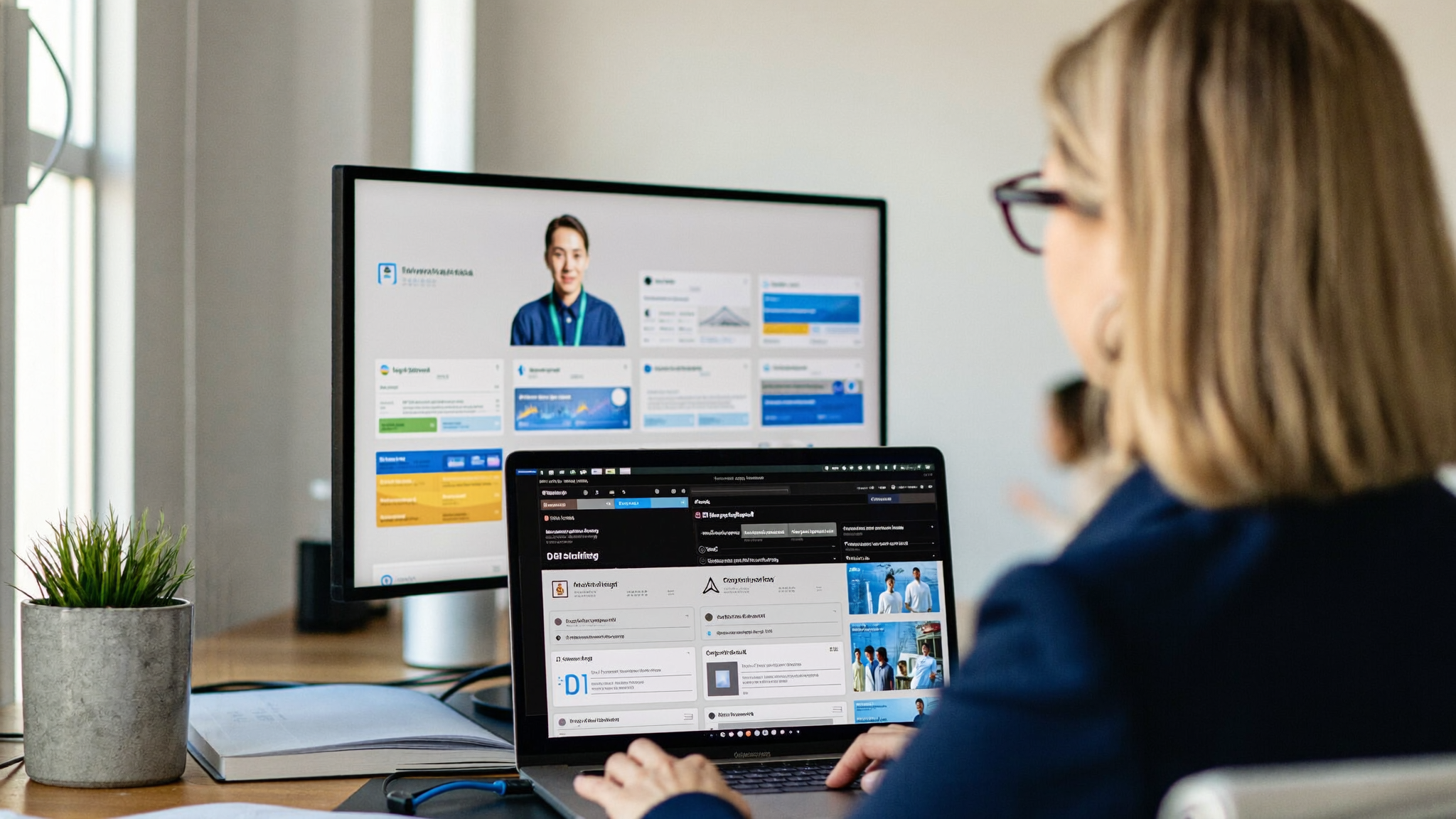
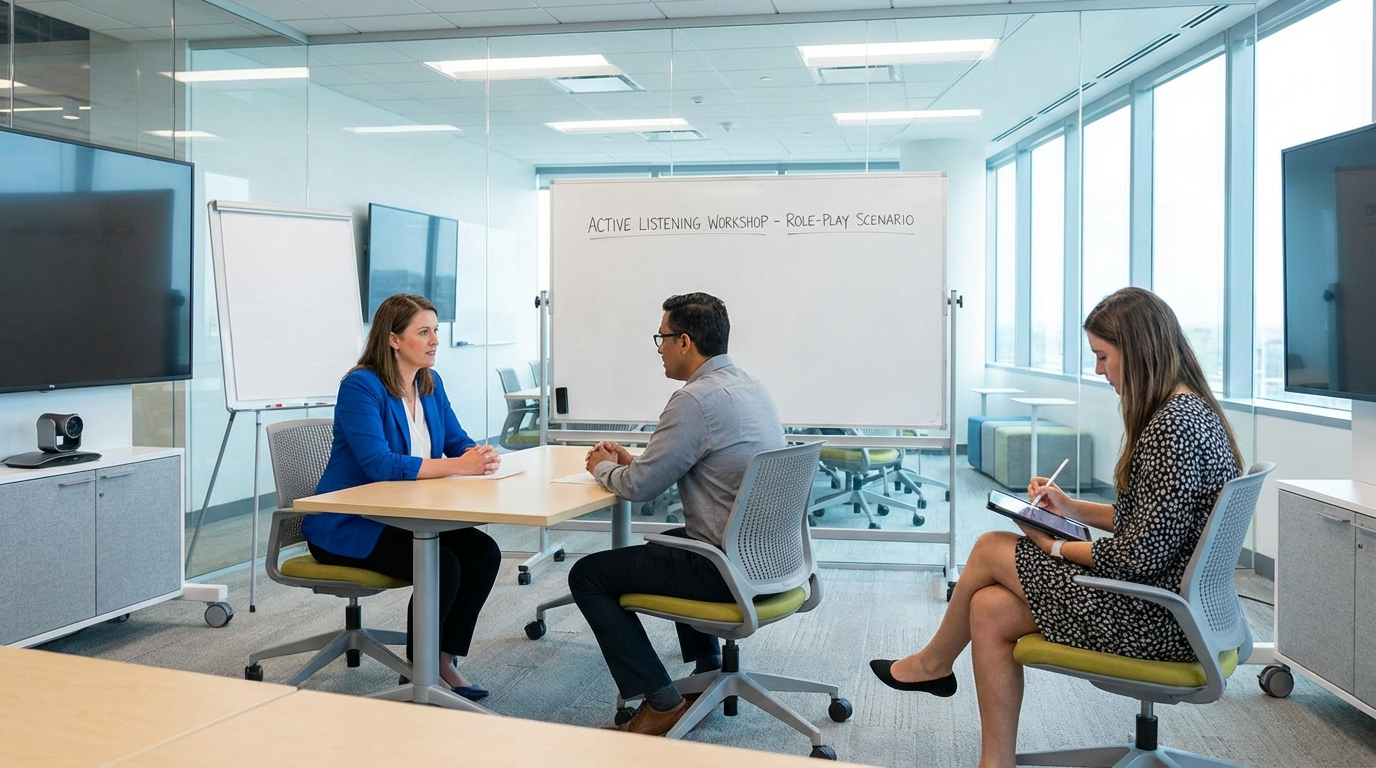
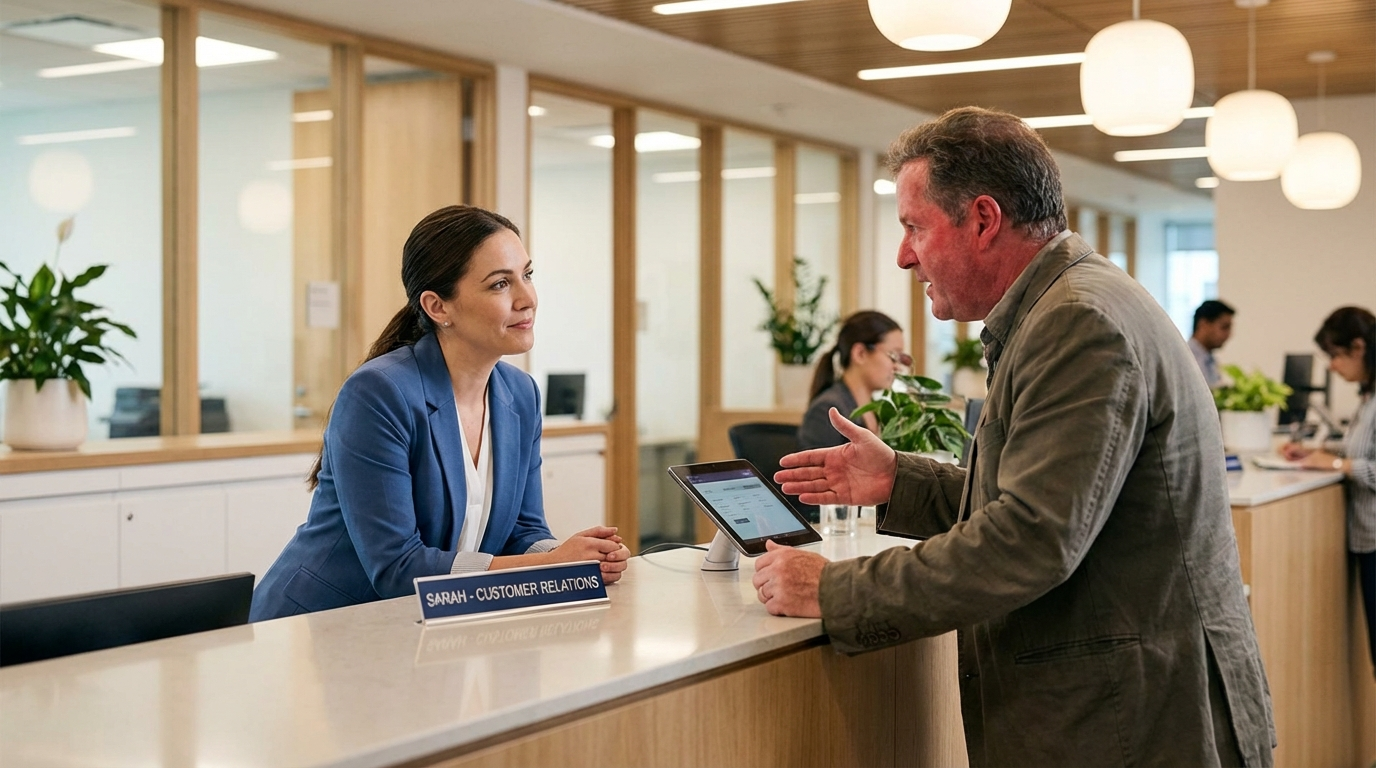
The most effective way to build tolerance to stress is to practise under progressively more demanding conditions. Role-plays with AI avatars let people work through pressured scenarios — a furious customer, an impossible deadline, a team conflict — in a safe and repeatable setting.
The learner gradually builds reflexes: staying calm, thinking clearly under pressure, and reaching for the right technique at the right moment. Each session strengthens confidence and reduces anxiety about similar situations in real life.
Managing stress is not solely the individual's responsibility. Managers play a decisive part. Managers trained in soft skills know how to distribute workload fairly, spot the early signs of overload in their team, shield people from unnecessary pressure, and create an environment where flagging your limits is acceptable rather than career-limiting.
Self-diagnosis using a validated questionnaire, mapping of stress sources, and identification of current coping strategies — both the helpful and the unhelpful ones. Introduction to the concepts of resilience and emotional regulation.
Learning and practising cognitive reframing, emotional regulation and priority management. Simulation sessions built around moderately pressured scenarios, each followed by a debrief.
Simulations of increasingly stressful scenarios: a very difficult customer, a crisis to manage, a decision under time pressure. The aim is to build tolerance to stress and the reflexes that go with it.
Application in real situations, supported by a logbook. Each participant builds a personal resilience plan covering their resources, routines, warning signals and adjustment strategies. The programme closes with a review and an assessment of progress.
Resilience is not only individual. Resilient teams share specific characteristics: mutual trust, open communication, spontaneous mutual support, and a collective capacity to recover after a setback.
Building that team resilience relies on shared rituals: reviews after difficult projects that look for causes rather than culprits, recognition of recoveries as well as wins, and open sharing of what has been learned.
Frontline and customer service teams, which are particularly exposed to stress, benefit enormously from these collective approaches. When an agent knows their colleagues and their manager are behind them, their capacity to handle difficult situations rises sharply.
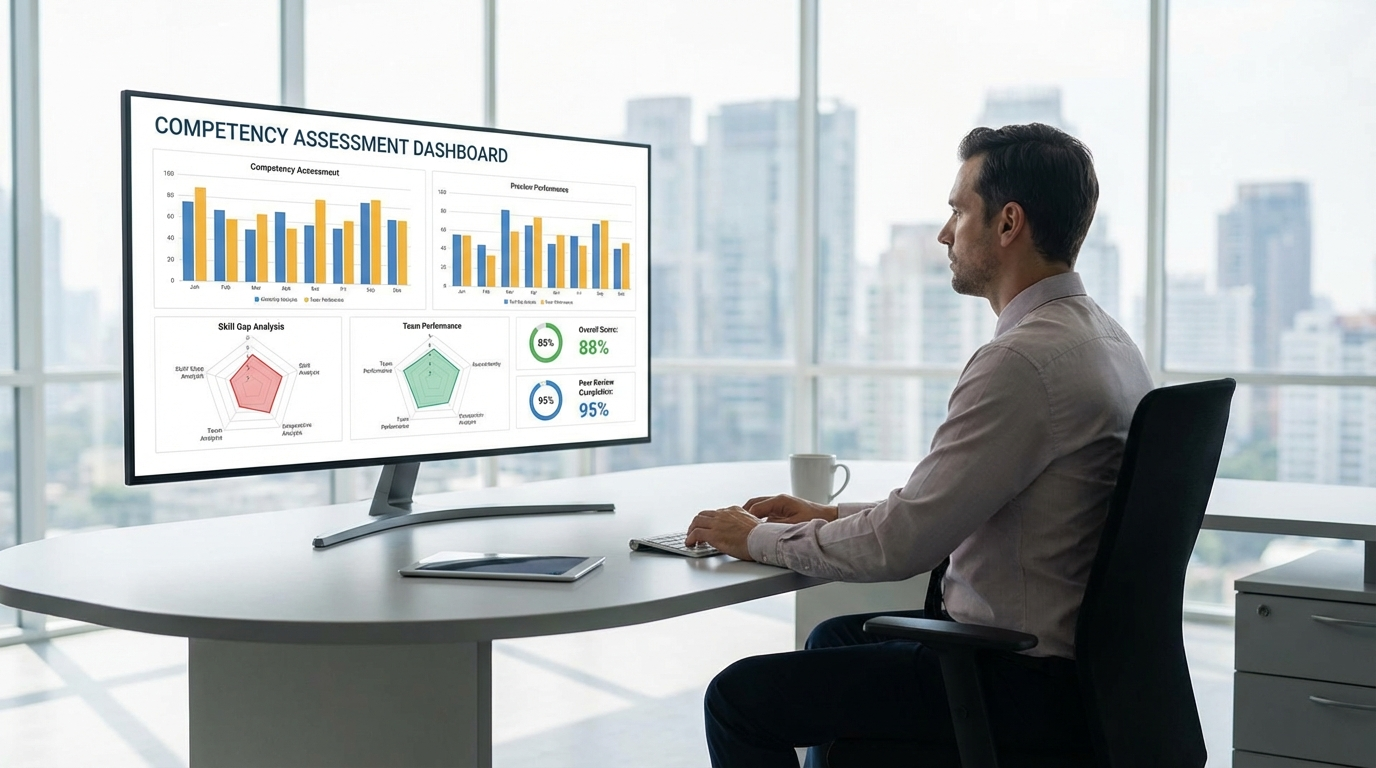
Useful indicators combine subjective and objective measures.
Subjective measures: perceived stress questionnaires such as the PSS, wellbeing scales, and self-assessed resilience.
Objective measures: absence rates, sickness leave, turnover, workplace accidents.
Performance measures: productivity, service quality, customer satisfaction. Less stressed teams perform better — the link is now well documented.
For a full methodology, see our guide to calculating the ROI of soft skills training. The most advanced organisations build soft skills assessment directly into their training programmes rather than bolting it on afterwards.
Beyond individual programmes, the real challenge is creating an organisational culture that supports resilience. That means the right to make mistakes, genuine value placed on learning, honesty about difficulties, and management that protects as much as it challenges.
The trends shaping 2026 confirm the direction of travel: the best-performing organisations have stopped trying to eliminate stress, which is impossible, and are instead building teams and structures capable of working well under uncertainty.
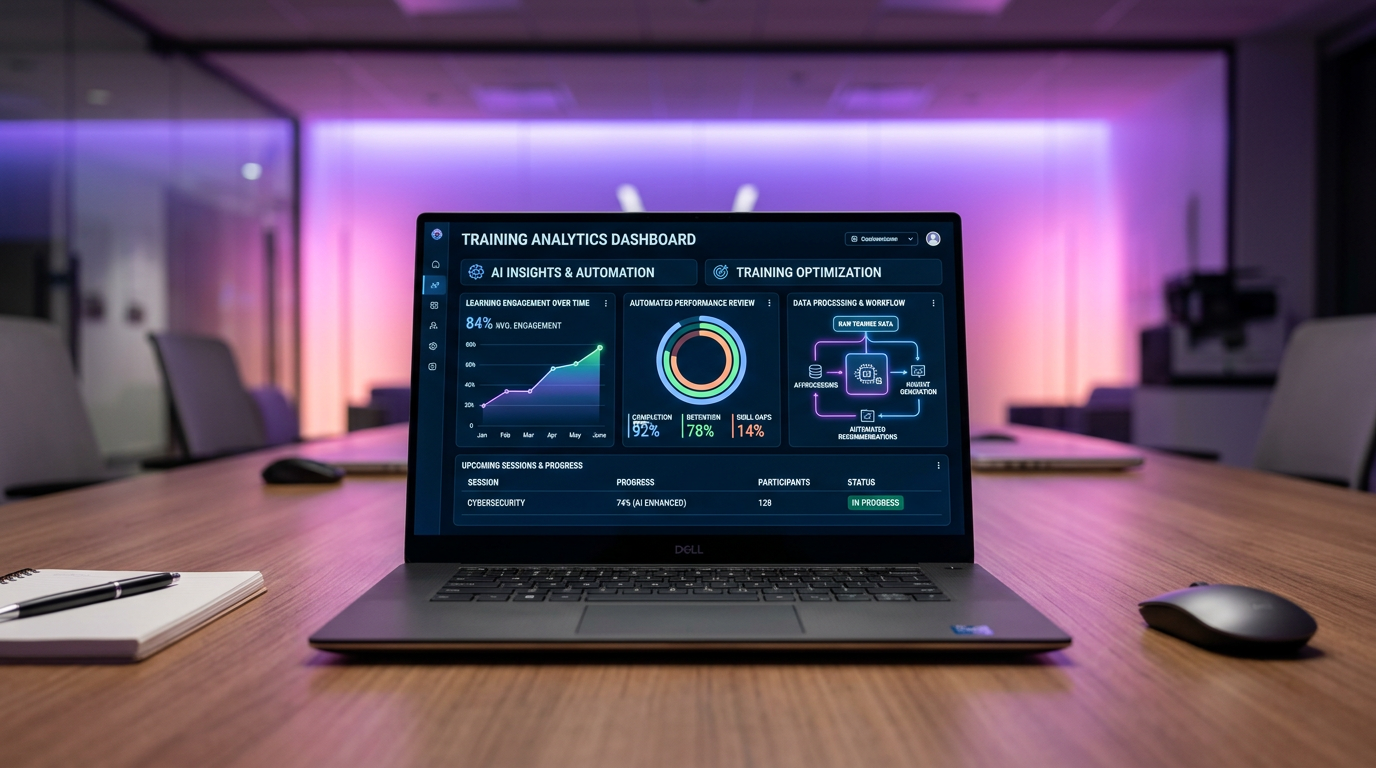
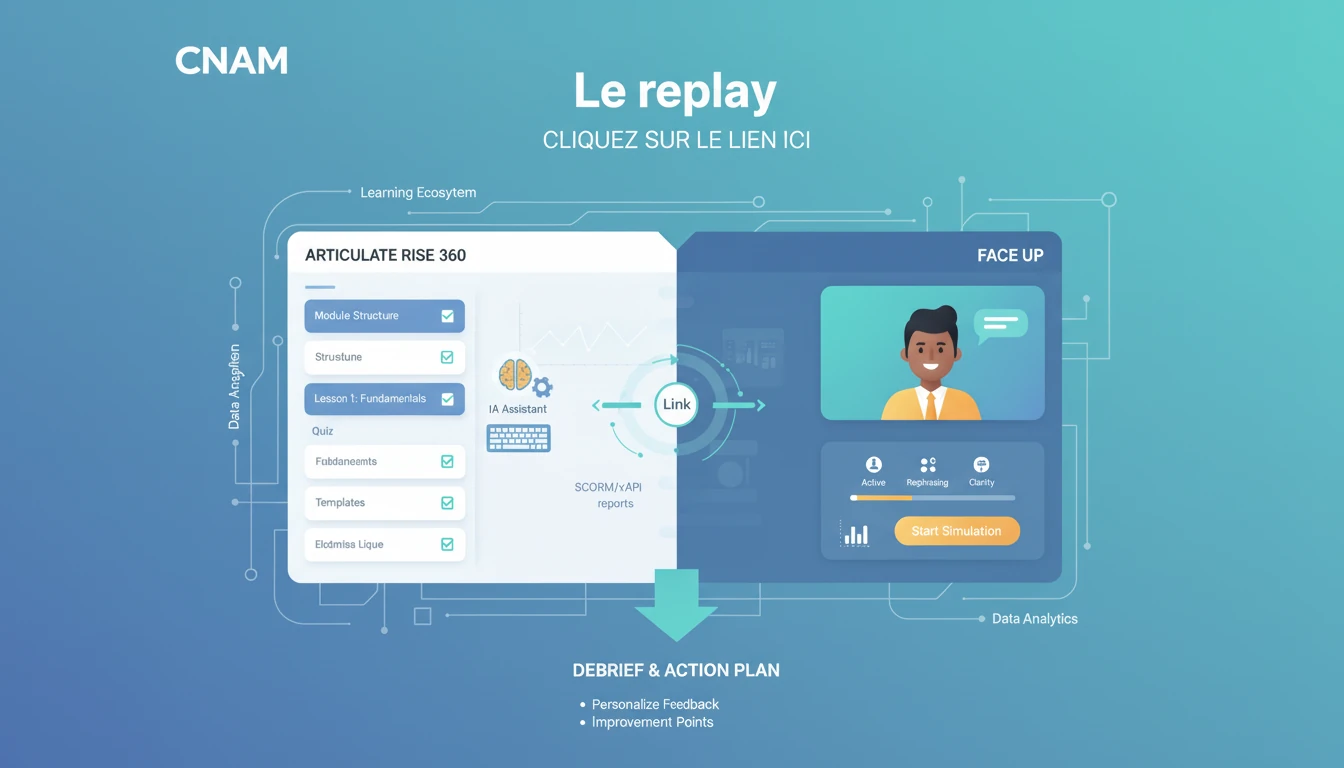
AI applied to training is accelerating that shift by making personalised, continuous practice possible, tuned to each person's stress profile. Face Up's conversational simulators include progressively pressured scenarios that build resilience in a structured and measurable way.