Plenty of organisations invest in customer relations training… and never measure what it actually changes on the ground. The result:
- budgets that get questioned,
- uneven adoption,
- endless debate.
What follows is a simple, actionable method that operational teams will accept, illustrated with examples from our own work:
1) Fix a clear baseline (before anything else)
Objective: an undisputed starting point so you can compare before and after.
- Pick one to three key KPIs your teams already track (e.g. AHT, FCR, QA score, NPS/CES, complaint rate, KYC errors).
- Keep the scope tight (one team, two sites, a single call queue) to limit noise.
- Use a short but representative window: 10 to 14 days is usually enough.
- Track training engagement metrics too (hours, completions, iterations) so you can correlate usage with field impact.
How Face Up does it: we like to deliver a short baseline pack setting out indicator definitions, data sources, the period covered, and joint sign-off from Operations, Quality and L&D.
2) Run a tightly framed pilot (small, fast, measurable)
Objective: prove locally that customer relations training works, by documenting how it changes the behaviours that drive your KPIs.
- Population: 50–150 people (or one homogeneous team) plus a control group that does not take the training, where possible. Failing that, stay within the same team and compare before and after.
- Content: your training, tied directly to the main contact drivers (e.g. "level 1 de-escalation", "complete qualification", "explaining IDD requirements clearly").
- Rhythm: we recommend weekly practice at the workstation plus one debrief in a team meeting led by the manager, to share what works.
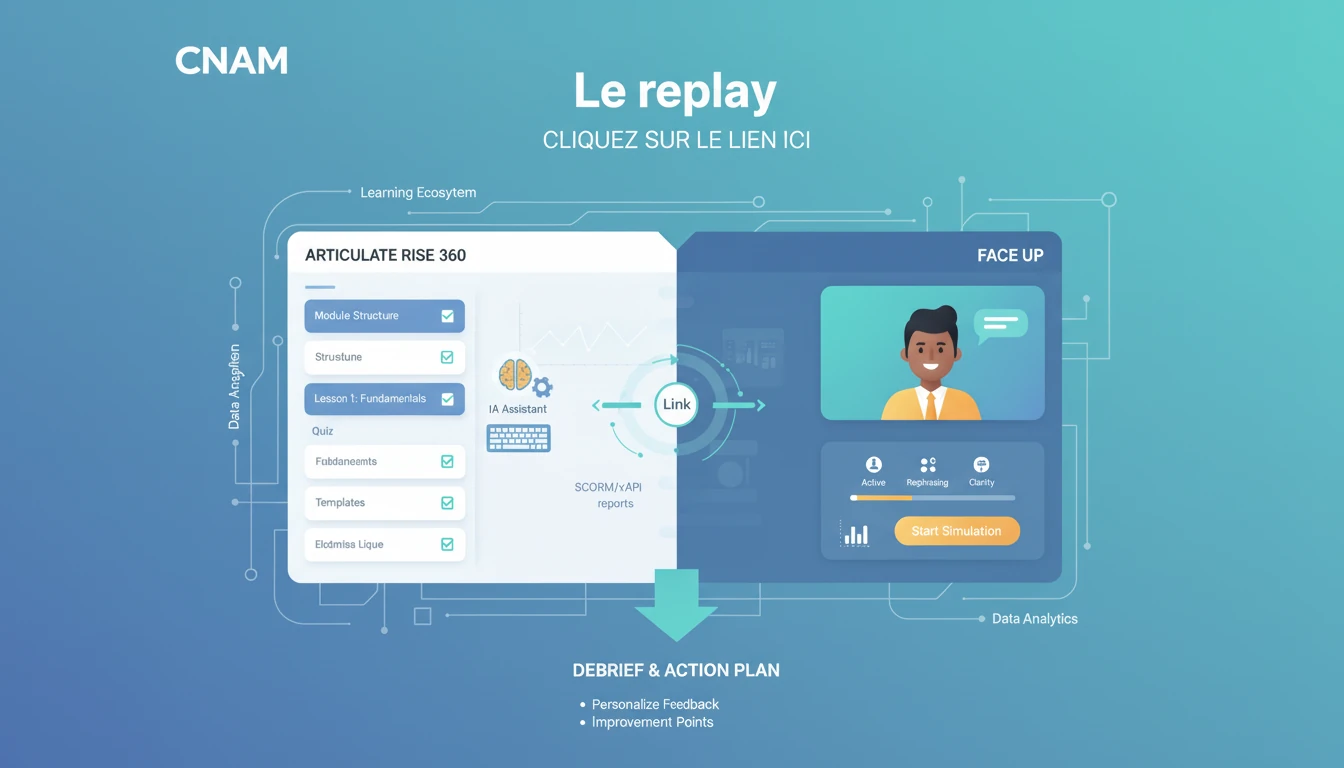
- Integration: make access as frictionless as possible — a web link or an LMS integration — and switch on your analytics to track usage.
How Face Up does it: we produce three to six micro-scenarios (5–7 minutes) and set the approach out on a one-page pilot sheet (objectives, scope, KPIs, timeline, roles, success criteria) that goes out to managers.
3) Get managers involved (the decisive lever)
Objective: make training a team subject that is useful to the group, not an obligatory extra.
- In the weekly meeting: one simulation played out, then an actionable debrief.
- Visible objectives: put training on the team's progress board.
- Nudges: for example, make the training a prerequisite for sought-after shifts.
How Face Up does it: a manager facilitation kit (slides, observation grid, sample reformulations) and a team progress board.
4) Measure before and after on the pilot (and read the results honestly)
Objective: compare objectively and take the go/no-go decision on rollout.
- Period: four to eight weeks of training, with an interim review at day 28.
- Primary KPIs (examples):
- Contact centre: AHT, FCR, QA score, % of level 2 escalations.
- Transport: event NPS on a disrupted day, escalations per 1,000 passengers, safety interventions.
- Banking and insurance: KYC errors, length of account-opening appointments.
- Leading indicators (immediate): adherence to target behaviours in simulation (empathy, exploration, reformulation, resolution), first-attempt resolution rate in simulation, number of iterations.
How Face Up does it: a summary report with before/after charts, highlighting success stories from the people who progressed most.
5) Why this method actually gets traction
Relevance is immediate because the scenarios are built on the critical situations giving your teams trouble right now, rather than on generic content.
The format is designed to be frictionless: short seven-minute sessions completed at the workstation.
Manager rituals turn the skills into genuine team standards, instead of another administrative box for HR to tick.
And full traceability with clean technical integration (SCORM/xAPI, SSO, CSV exports) gives you objective evidence of effectiveness at every stage.
6) What we bring at Face Up
We modernise your existing content (videos, quizzes, AI simulations), integrate it into your LMS, then take on the full rollout.
We guarantee actionable feedback through debriefs calibrated with your trainers and managers, pinpointing strengths, areas to improve and concrete alternative wordings.
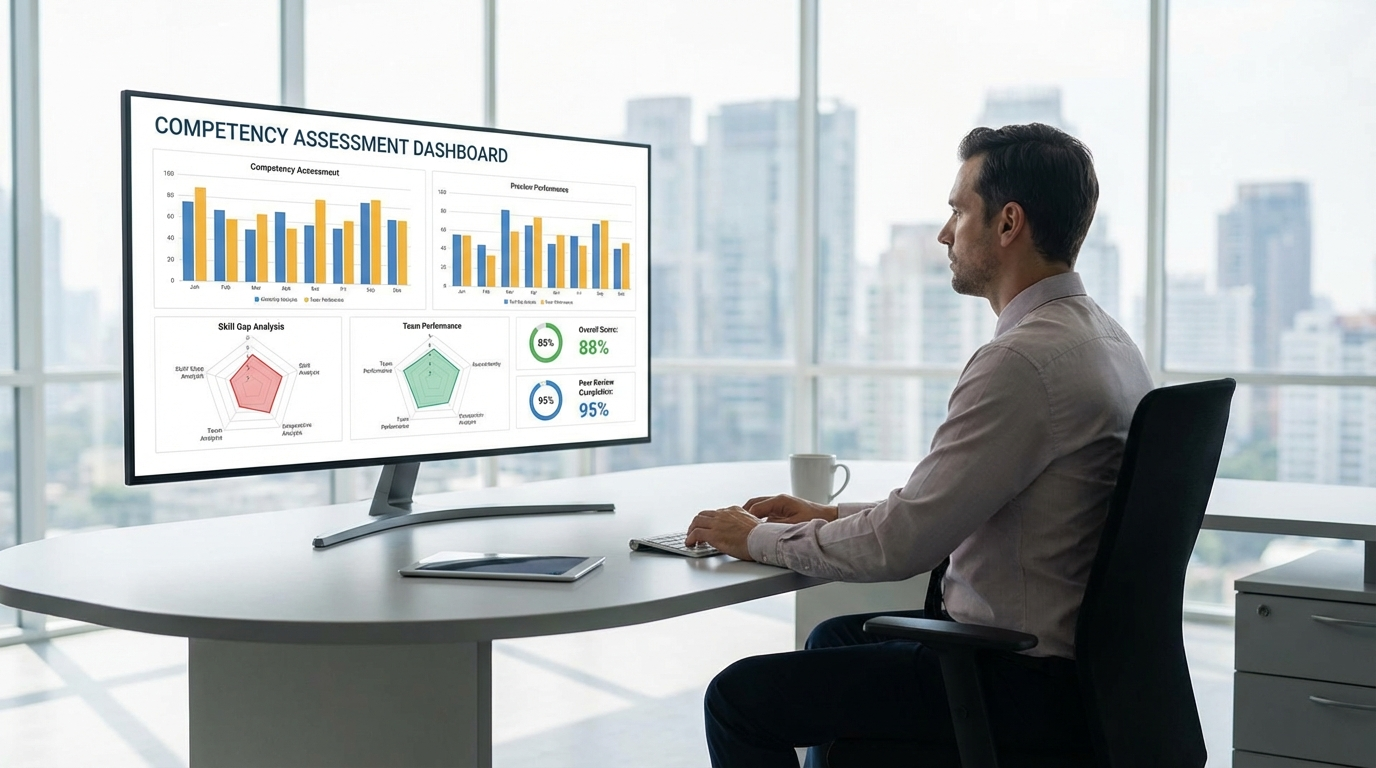
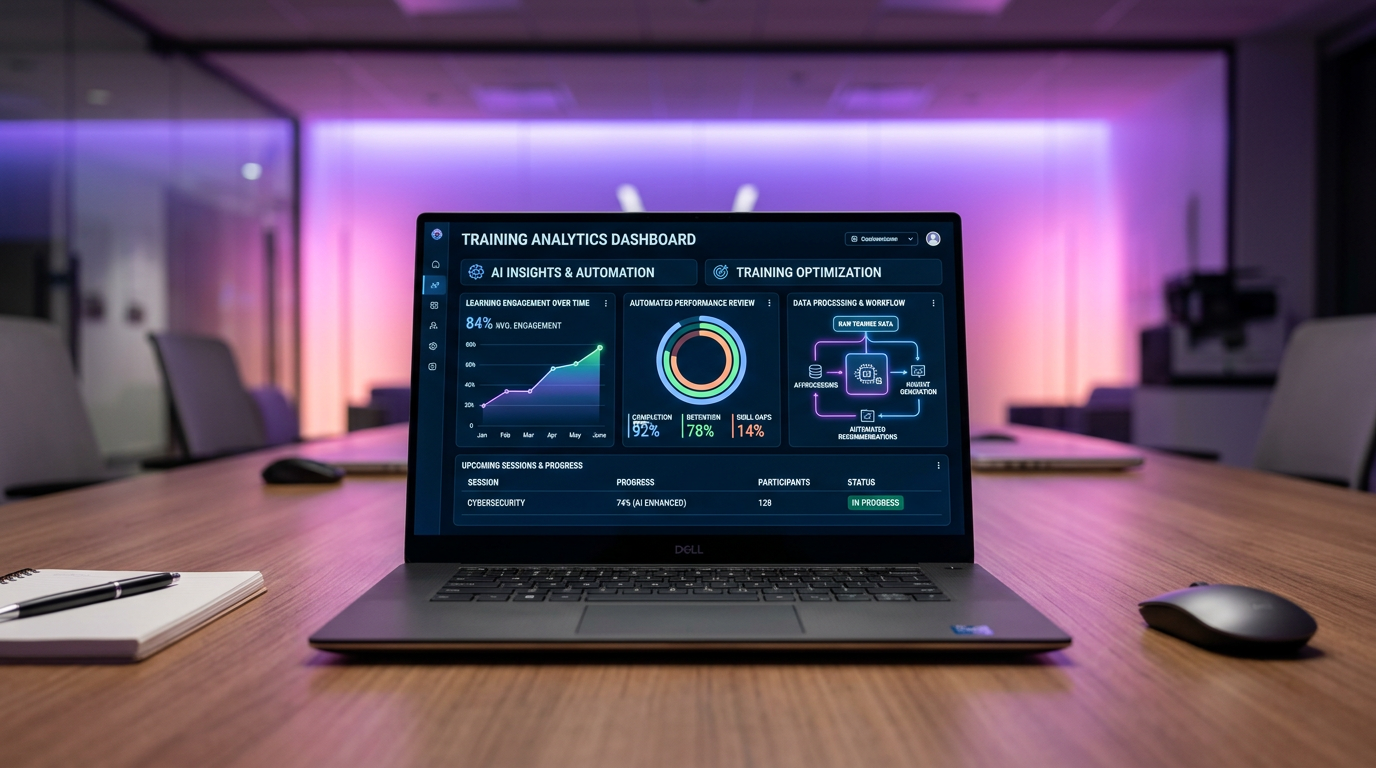
And we make the programme data-driven, with per-team dashboards that make before/after comparison straightforward and show the correlation between training and your business KPIs.
7) Your mini-checklist to get started
- Choose one pilot scope (team, site or call queue).
- Agree one to three primary KPIs and the baseline period (10–14 days).
- Select three to six micro-scenarios linked to the main contact drivers.
- Schedule 2 × 7 minutes at the workstation plus one huddle a week.
- Set the day 28 review and the success criteria.
- Take the go/no-go decision on extending, based on the results.
Want to put your training to the test of evidence?
Let's write the pilot sheet together and fix a baseline this month.
Get in touch: contact@face-up.fr