Preparing for a quality audit on soft skills swallows a training provider's time. Building observation grids, recording every role-play, compiling the results, writing up the summaries: this administrative work pulls people away from the job they are actually there to do. And at the end of it, the evidence is often incomplete anyway.
Conversational AI changes that equation. Instead of trainers scoring by hand during role-plays, AI solutions automate the observation and generate the evidence directly. Every interaction produces a transcript, every transcript is analysed against your assessment criteria, and every learner accumulates an audit portfolio with no export work at all.
This guide shows how to implement that approach, which audit requirements it covers, and how it cuts your workload while strengthening the credibility of your file. The examples reference Qualiopi, the French quality certification for training providers, but the same logic applies to any accreditation scheme that requires documented evidence of learner progression.
Step 1: observation during the role-play. The trainer runs a role-play between two learners (15 to 30 minutes). At the same time, they are supposed to observe four or five soft skills criteria: active listening, stress management, non-verbal communication, and so on. They take notes, but they cannot capture everything. They keep impressions and lose a large share of what actually mattered.
Step 2: filling in the grid after the session. Once the role-play is over, the trainer completes an observation grid — one to two hours for twelve learners. The data is subjective because memory has already faded. The risk: vague grids, rounded numbers, thin justifications.
Step 3: compiling the data. At the end of the programme, somebody (often not a trainer) has to merge all the grids, calculate averages and build charts. Three to four hours minimum, with data-entry errors along the way.
Step 4: assembling the audit file. You then have to write up how you measure each soft skill, file the grids and justify the figures. Then find the video or audio recordings, trim them and attach them as annexes. The risk: incomplete records, inconsistent formats and a structure the auditor struggles to follow.
The total: 15 to 20 hours per programme. The hidden costs are stress, observer bias and rework. And even after all that, the evidence remains partial.
When a trainer completes the grid from memory, they record what they remember, not what happened. A learner who raised their voice for five seconds? Forgotten. A learner who reformulated once, mid-conversation? Marked down as "poor listening" because the trainer was looking elsewhere.
The result is biased evidence, and an experienced auditor will sense it. If your measurements look approximate, they will start doubting the rest of your file.
Conversational AI does not forget. It records every word, every silence, every pause, and analyses them against a stable algorithm. Trainer bias disappears.
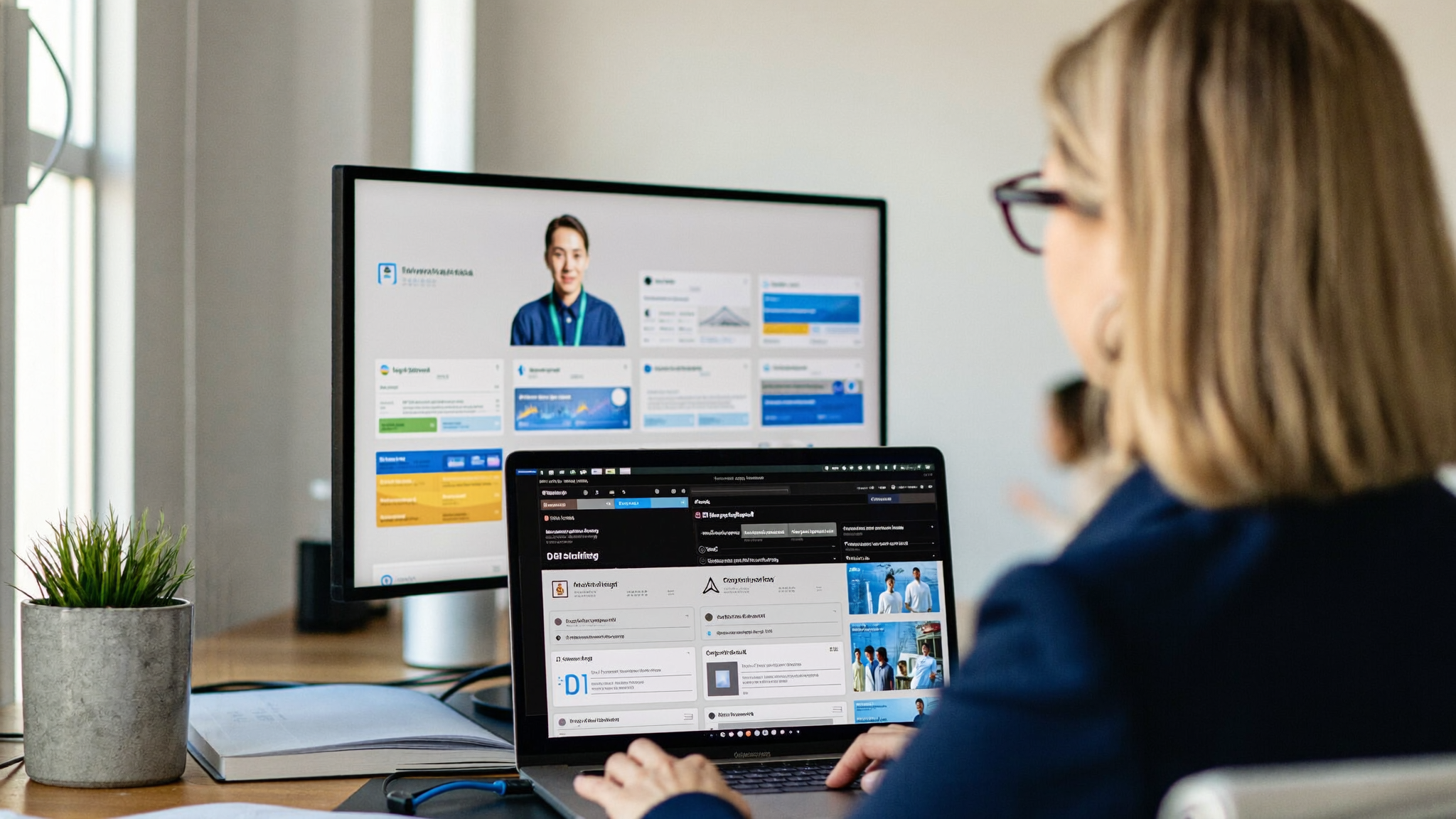
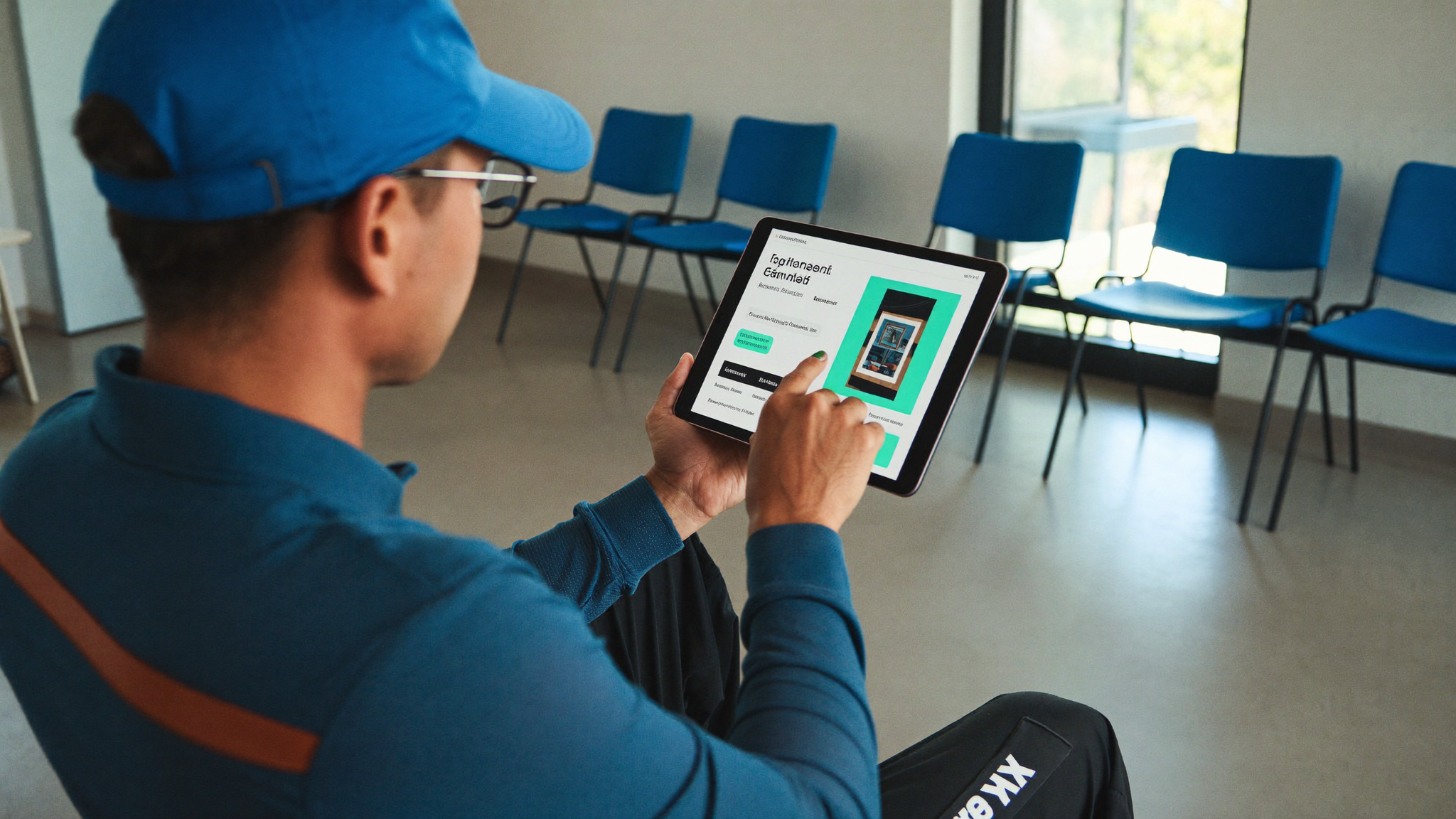
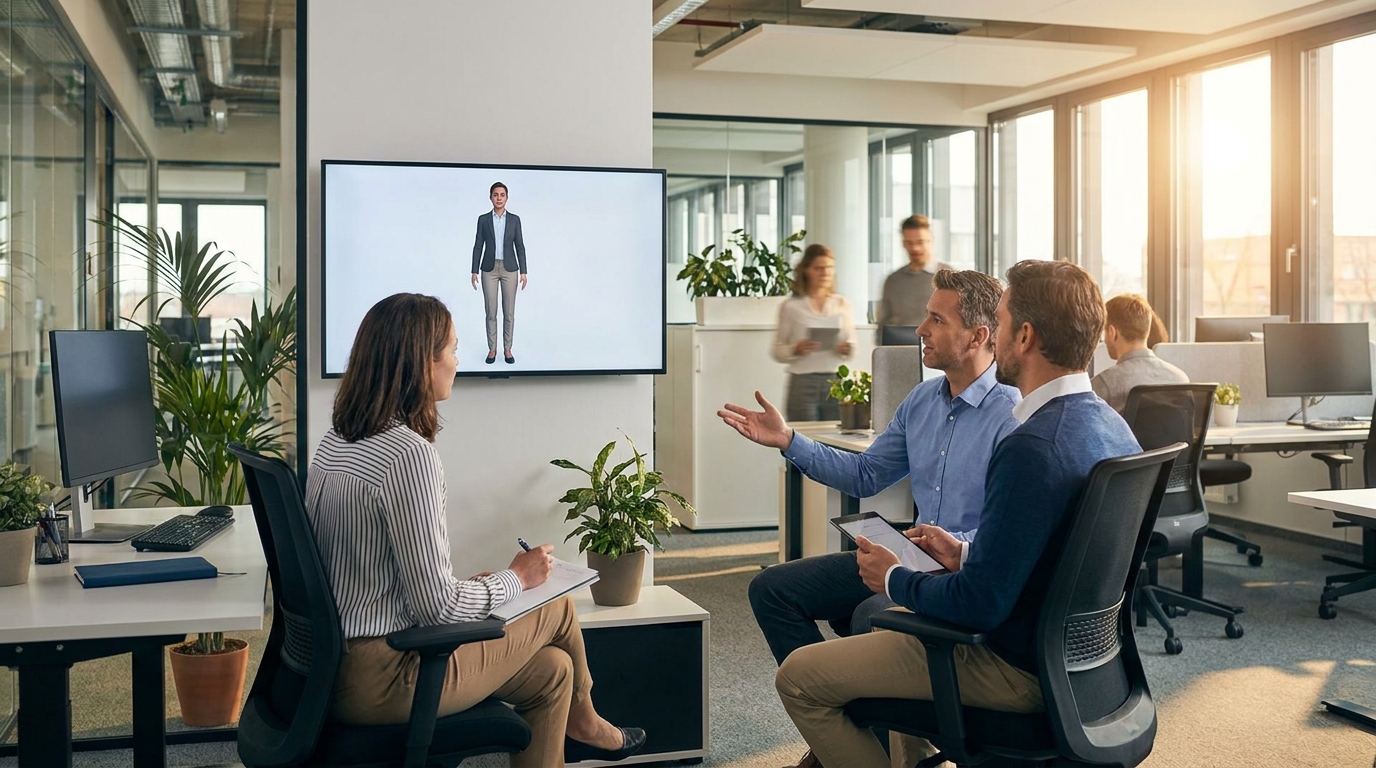
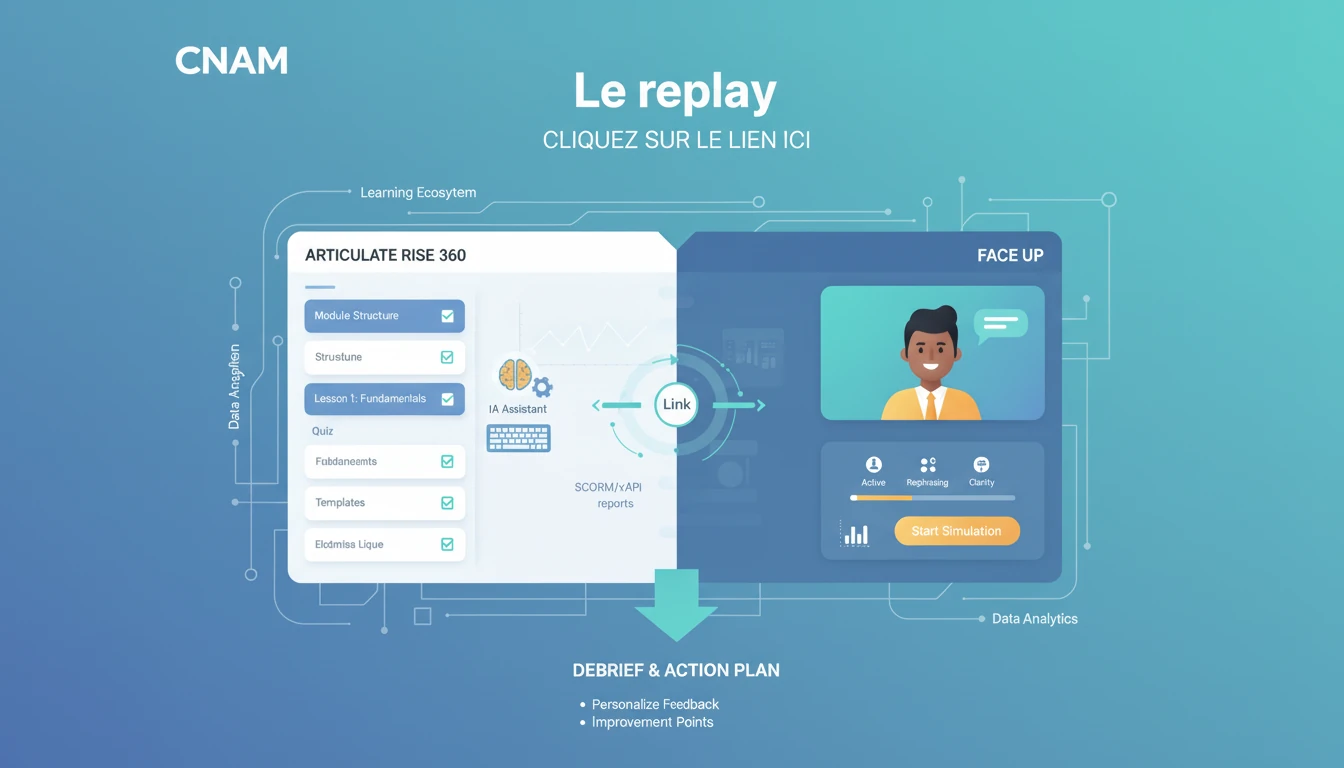
Instead of a trainer watching and scoring, the learner interacts with an AI avatar. The avatar plays a frustrated customer, say. The learner responds. The AI records the conversation and transcribes it instantly.
Meanwhile the trainer does their real job: guiding other learners, asking questions, giving the kind of feedback only a human can give. The AI handles objective observation.
At the end of the session, you have:
It takes thirty seconds. No trainer workload, no bias, complete accuracy.
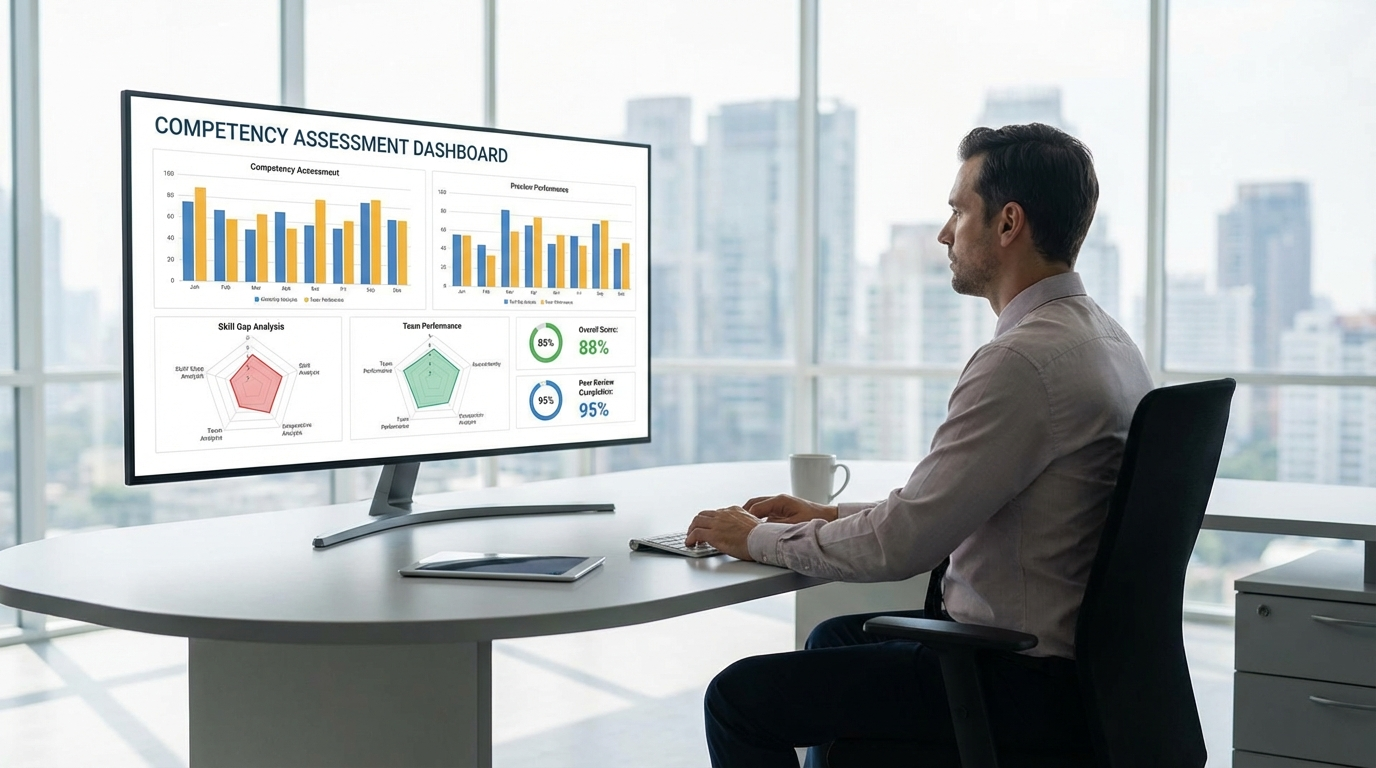
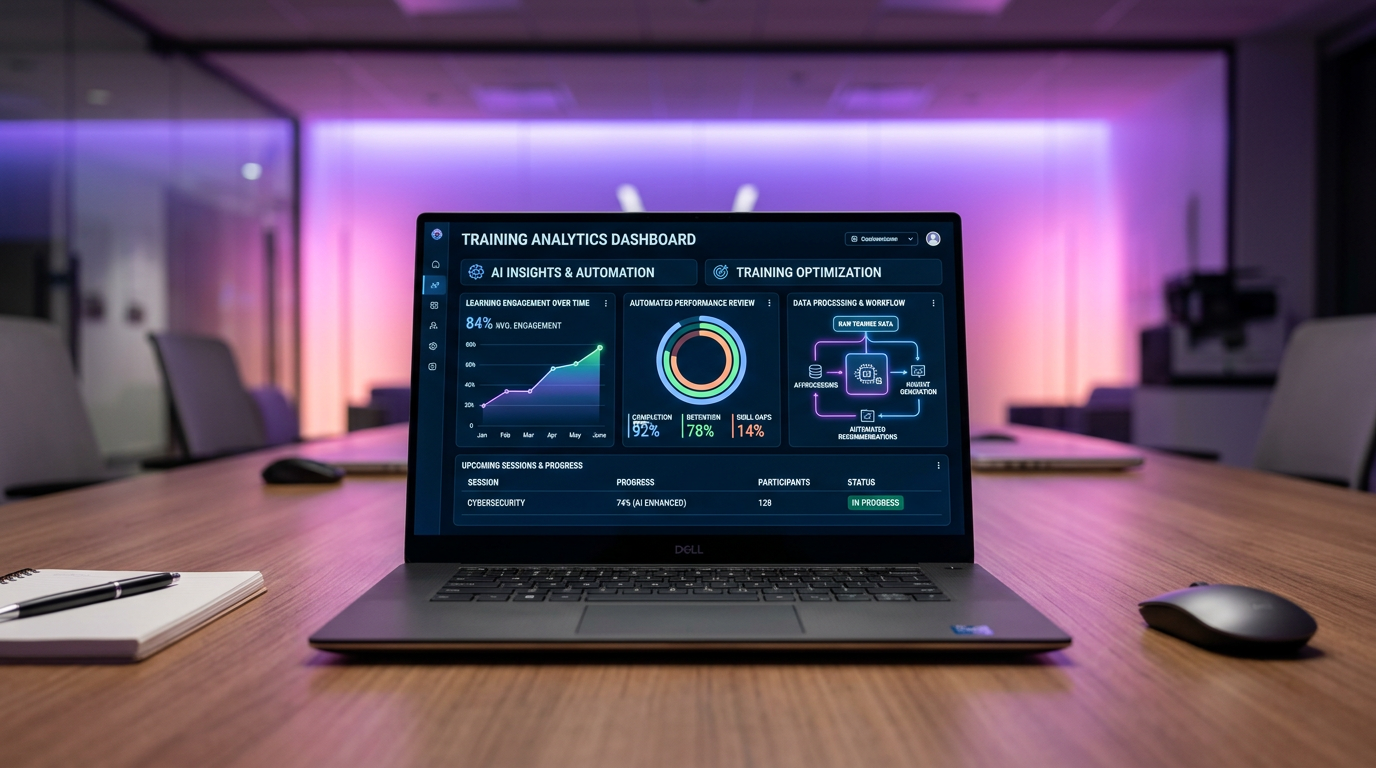
Every learner interaction with the AI generates structured data. After five days (ten interactions per learner), the system compiles automatically:
No manual entry. The data arrives already compiled. You review it, validate it and drop it into the file: thirty minutes instead of three to four hours.
Most AI role-play solutions generate an audit export automatically — a PDF containing:
You print it and file it. That is your audit annexe, already formatted, and the auditor receives something coherent and complete.
The auditor asks: how do you measure progression in soft skills?
The automated answer:
"Learners interact with an AI avatar ten times during the programme. Each interaction is analysed against five criteria [list]. The system compiles before-and-after results automatically. Average improvement: [figures]. Data in the annexe, with a portfolio per learner."
It is detailed, it is quantified, it is automated. The auditor signs it off immediately.
The auditor asks: how do you assess learners during the programme, not just at the end?
AI covers this naturally. Each interaction — day one, day two, through to day five — is an assessment. You have ten data points, not two, and the progression curve is continuous.
The documentation writes itself: "Continuous assessment through AI role-play. Ten assessments per learner instead of one or two. Progression curve in the annexe."
Before you switch the AI on, you define the target: the learner should move from X to Y on this competency, measured against these five criteria.
The AI measures precisely those five criteria. At the end you can demonstrate: "objective met at 85%". Direct traceability.
You document your approach: realistic role-play with an AI avatar, immediate feedback, ten repetitions, progress measured daily.
AI reinforces every one of those claims. Ten repetitions becomes indisputable. Daily measurement becomes objective. Immediate feedback is built in, since the system suggests resources after each interaction.
Without AI:
With AI:
The gain: 47 hours of trainer time redeployed to actual coaching, audit preparation cost cut by an order of magnitude, and evidence that is more complete and more objective.
If you train 100 people a year in soft skills:
That is the difference between an audit that disrupts your business and one that fits inside it.
Look for an AI role-play solution that offers:
Face Up, for instance, covers all of these. But assess several vendors. The AI should serve your pedagogy, not the other way round.
Before you launch, decide what you are measuring for a given skill. For active listening, for example:
Pick three to five criteria at most. The AI analyses them automatically and you see them in the results.
Do not save the AI for the final day. Start on day one or two. Learners need five to ten minutes to get used to the tool, and you want a day-one baseline.
A workable sequence:
You do not need to replace your pedagogy. The AI is added for practice and measurement.
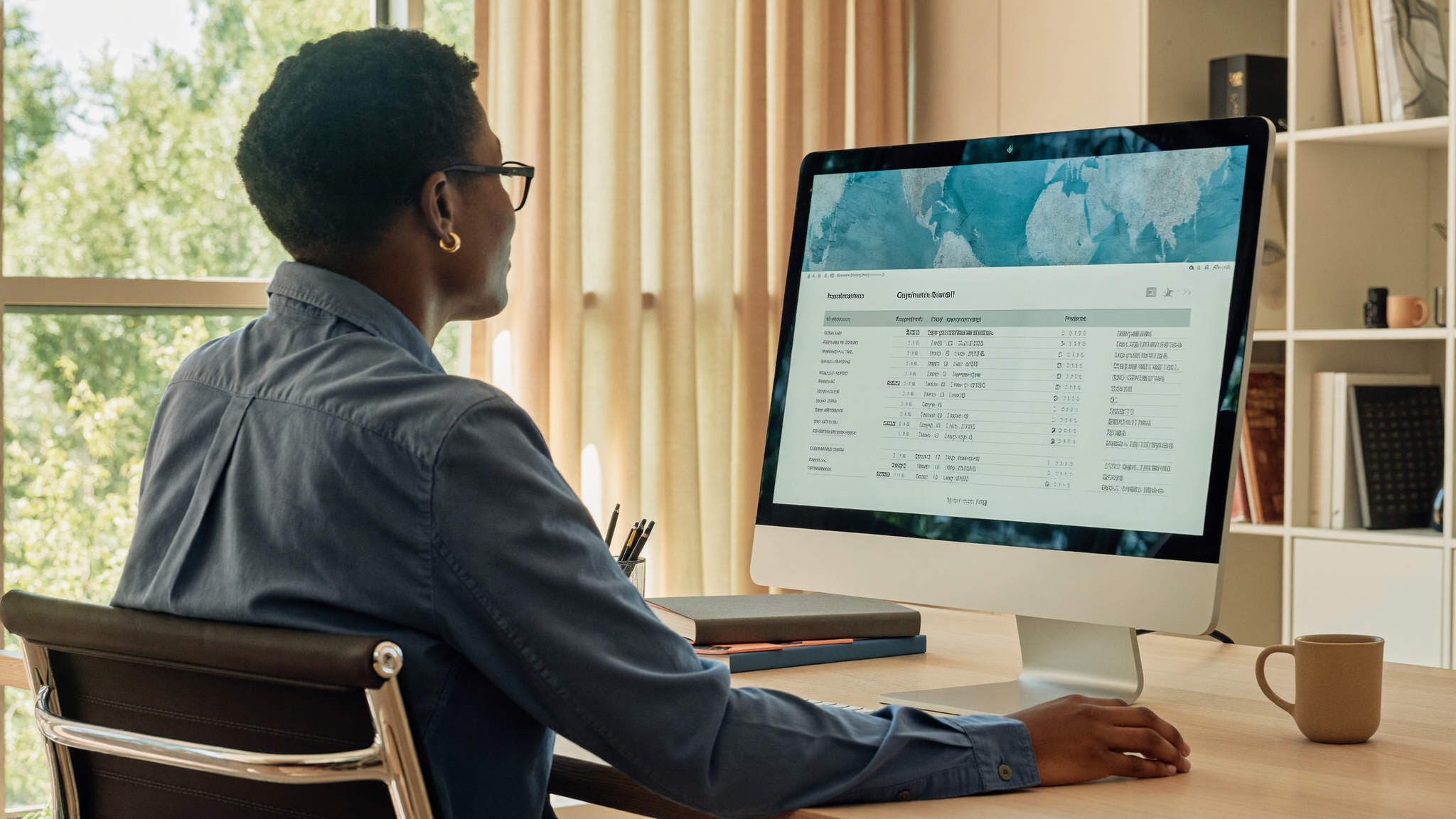
At the end, the platform offers an audit export. One click generates a PDF with every learner portfolio. You spend ten minutes checking it — do the numbers make sense, are the criteria clearly stated? — and file it as an annexe to the main audit file.
True. AI does not teach. It provides a situation and measures what happens. The trainer teaches, coaches and gives the emotional feedback. The two coexist.
For the audit, you document exactly that: the AI handles objective measurement, the trainer handles coaching. There is no conflict — on the contrary, you demonstrate that you have both.
Sometimes true. For some people the AI is simply less threatening. But that is a strength for the audit, not a weakness. If a learner improves with the AI, they will improve with a human too.
For the audit, document both: progression with the AI, then real cases in conventional teaching. The AI supports the process, it does not replace it.
How do you game a system that analyses word by word and silence by silence? A learner can try to fake it, but the algorithm will report zero questions asked, seven interruptions, one-second latency. The AI does not get fooled.
If anything, it is more reliable than a distracted trainer who forgets to note a detail.
Automating audit evidence with conversational AI is not a luxury. It saves time and improves reliability: less administrative work for your trainers, more data for your file, and records that are more objective and more complete. Above all, your audit file builds itself progressively from day one to day five instead of being assembled in a rush after the programme ends. That is the difference between an audit that generates stress and one that simply runs. Adopting AI for measurement modernises your approach to compliance and frees your energy for what matters: the teaching.